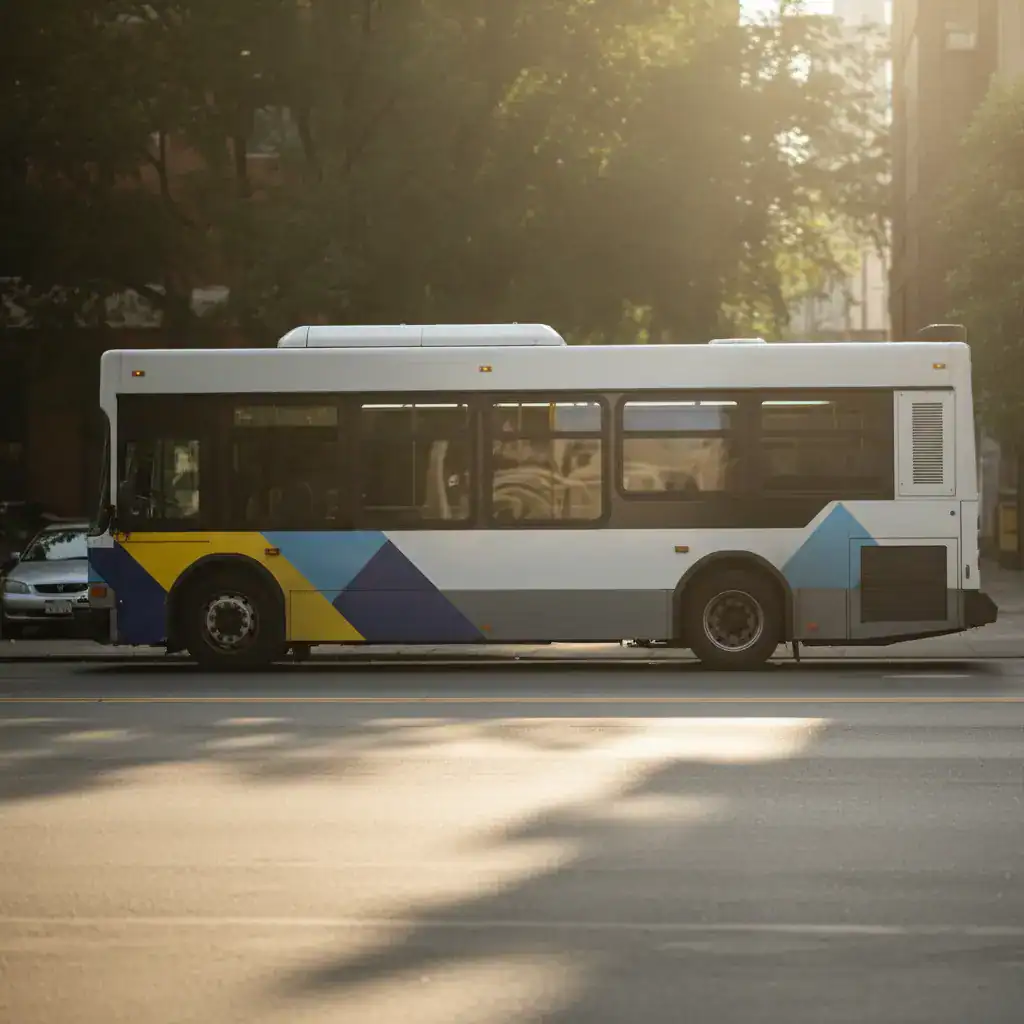
Athens, Attica, Greece – The Greek capital is set to undergo an unprecedented public transport transformation, the largest since the 2004 Olympic Games. Starting in 2026, a comprehensive plan spearheaded by the Transport Ministry will introduce over 500 new buses, significant metro system upgrades, and advanced digital services, promising a modern, sustainable, and passenger-friendly experience for residents and visitors alike.
Major Investments to Modernize the Fleet and Infrastructure
The government’s ambitious strategy aims to deploy 1,076 new environmentally friendly buses by the end of 2025, with the total fleet expanding to 1,600 vehicles by 2027. All new buses will feature air-conditioning, and older, less accessible models will be phased out. For the first time, Athens will boast a unified fleet design, standardizing the aesthetic of its bus network.
Metro System Enhancements
The metro system is also slated for substantial improvements:
- New Trains: 15 new trains will be introduced for Lines 2 and 3 by 2029, targeting a significant reduction in peak-hour waiting times.
- Line 1 Upgrades: Trains on Line 1 will undergo comprehensive upgrades, including the installation of air-conditioning, thorough cleaning, anti-graffiti measures, and station repainting.
- Safety Measures: Defibrillators are scheduled for installation across all metro stations by 2026.
- Track Replacement: A total of 32 km of metro rail tracks will be replaced by the end of 2026 to enhance safety and efficiency.
Digital Transformation and Enhanced Passenger Services
Modernization efforts extend to digital services and passenger convenience:
- Integrated Payments: The Ath.Ena Card will be integrated with Apple and Google Wallet, offering seamless payment options.
- Contactless Travel: “Tap n’ Ride” contactless payment functionality will be available at all metro entry gates.
- Bus Stop Refurbishment: 9,000 bus stop poles will be refurbished by 2026, with the first 100 accessible stops expected to be ready by January 2026.
Addressing Driver Shortages and Improving Frequency
To support the expanded network and increased demand, OSY (Road Transport SA) plans to significantly boost its workforce from 2,550 to 4,200 drivers by 2026. This recruitment drive includes the direct hiring of 700 new drivers and collaboration with private operators to secure an additional 440. A new Drivers’ School will also be established, offering training (€1,500 per candidate) in exchange for a five-year service commitment.
The ministry will implement a “core line” model to enhance bus reliability, aiming to reduce peak-hour intervals from 15.5 minutes to 8 minutes by 2027. Dedicated bus lanes and strict enforcement are deemed crucial for achieving these efficiency gains. Metro services will also see enhancements, with expanded 24-hour services on Saturdays, plans for the Christmas period, and an eventual extension to Thessaloniki.
Government’s Vision for a Human-Centered Transport System
Deputy Transport Minister Konstantinos Kyranakis underscored the government’s commitment, stating, “Athens’s public transport system has been operating at its limits. We began rebuilding its foundations with real investments and a clear plan. 2026 will be the year citizens truly feel the difference – air-conditioned buses, clean stations, and digital services that make travel easier. We are redesigning transport in Attica to be modern, sustainable, clean, and human-centered.”
This ambitious overhaul signifies a pivotal moment for Athens, promising a more reliable, efficient, and comfortable public transport experience for all.
Source: https://greekcitytimes.com/2025/11/18/athens-public-transport-overhaul-2026/