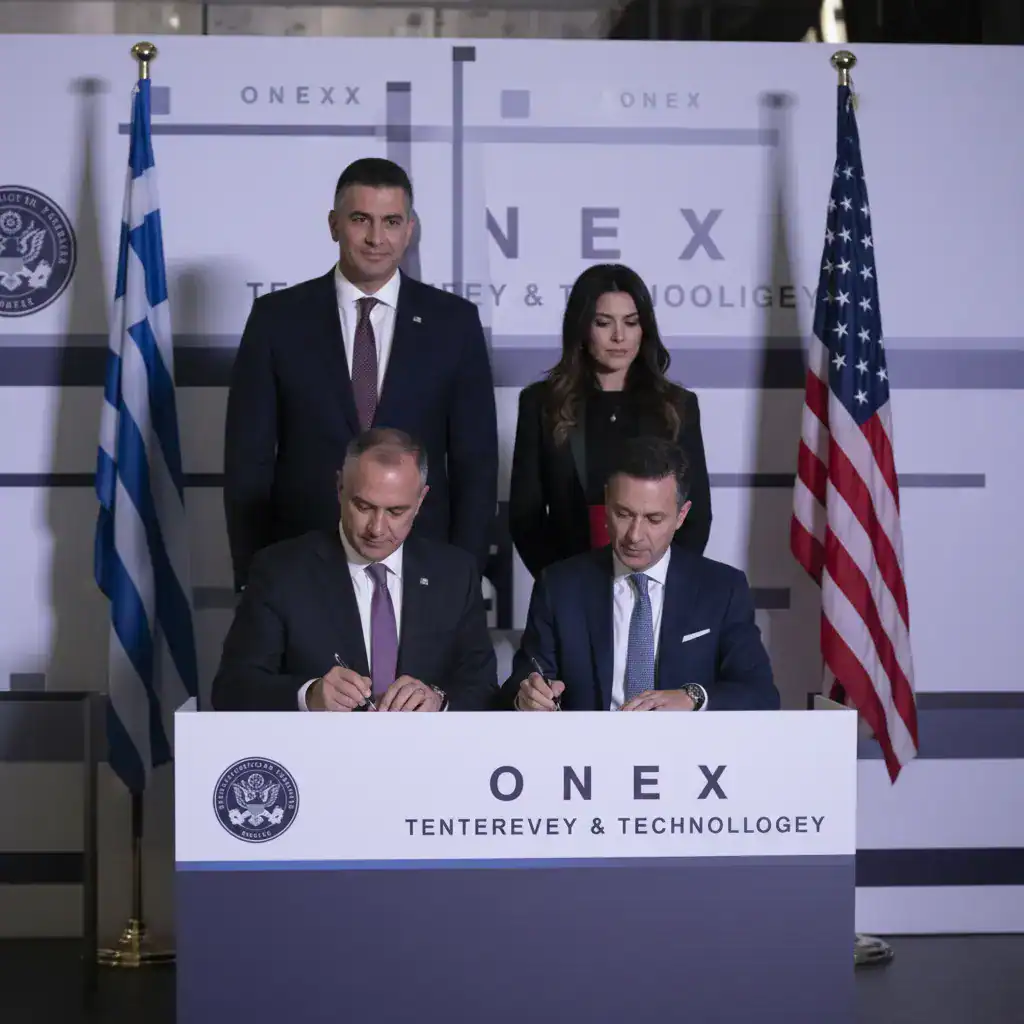
The recent agreement between ONEX Shipyards & Technologies Group and Megatugs Salvage & Towage for the construction of two new tugboats, with an option for two more, is more than just a commercial transaction. It signifies Greece’s strategic re-entry into the global shipbuilding arena after a prolonged absence, a move laden with economic, geopolitical, and energy implications. This development, celebrated at ONEX’s Elefsina facilities, underscores a broader narrative of Greece strengthening its position as a vital hub for trade, energy, and security in the Eastern Mediterranean, heavily supported by its deepening partnership with the United States.
A Resurgent Shipbuilding Industry: More Than Just Tugboats
The construction of these tugboats, entirely within Greece, marks the first commercial project of its kind in many years. This is not merely an isolated success but a testament to the potential for revitalizing domestic shipbuilding activity. As Vasilis Kikilias, the Greek Minister of Maritime Affairs and Insular Policy, emphasized, this contract paves the way for new investments, adhering to both Greek and European legal frameworks. The importance of enhanced safety in ports and seas, where tugboats play a crucial role in navigation management and protection of port facilities, cannot be overstated.
Dr. Eleni Papadopoulou, a maritime economist at the University of Piraeus, highlights the significance of this revival. “This is a critical step for Greece to reclaim its maritime industrial heritage. Beyond the immediate economic benefits of job creation and technological transfer, a robust shipbuilding sector enhances national self-reliance and strategic autonomy,” she states. The investment is clearly part of a broader goal to strengthen shipbuilding activity on Greek soil, positioning Greek ports as key gateways for trade and security.
The Geopolitical Undercurrents: Energy, Defense, and US Partnerships
However, the narrative extends beyond shipbuilding. This agreement is deeply intertwined with a larger, unfolding strategy that links energy, defense, and transport security. The presence of the United States ambassador to Greece, Kimberly Guilfoyle, at the signing ceremony, alongside Panos Xenokostas of ONEX and Minister Kikilias, was a strong indicator of the significant US interest in these developments.
Washington views Greece not merely as a market but as a strategic partner. This partnership is particularly evident in the energy sector, where Greece is being positioned as a crucial entry point for US liquefied natural gas (LNG) into Europe. This strategy aims to gradually replace Russian gas, thereby bolstering European energy security. While this has been an ongoing effort, recent discussions at a major energy summit in Athens, attended by senior US officials, reinforced this commitment, focusing on infrastructure, investment, and regional energy security.
Professor Alexandros Stavridis, a geopolitical analyst at the Hellenic Foundation for European and Foreign Policy (ELIAMEP), comments, “The US ambition to flood Europe and Greece with American LNG is a double-edged sword. While it provides immediate energy security and reduces reliance on Russian supplies, it also creates new dependencies. If US export policy shifts or global LNG prices surge, Greece could find itself with limited immediate alternatives.” This transition, therefore, represents a profound geopolitical reshaping, redefining Greece’s role as a major regional hub for LNG, extending energy access as far as Moldova and Ukraine.
European Parliament’s Stance on Russian LNG: A Catalyst for Change
Adding another layer of complexity and urgency to Greece’s energy strategy is the European Parliament’s recent approval of a gradual ban on pipeline and liquefied natural gas imports from Russia. Approved on December 17, 2025, this ban will see spot-market Russian LNG prohibited from the EU by early 2026, with pipeline gas imports phased out by September 30, 2027. This legislative action, driven by MEPs pushing for accelerated timelines and stricter enforcement, underscores Europe’s determination to diversify its energy sources and reduce its reliance on Russia.
The lead MEP for the industry, research and energy committee (ITRE), Ville Niinistö, highlighted the priorities: “to accelerate the timeline for banning pipeline gas as much as possible, prohibit long-term LNG contracts one year earlier than foreseen, and prevent circumvention of these new rules.” This legislative push reinforces the strategic importance of initiatives like Greece’s expanded LNG infrastructure and its partnership with the US, as Europe actively seeks alternative and secure energy supplies.
Looking Ahead: Opportunities and Challenges
The convergence of a revitalized shipbuilding industry and Greece’s strategic role in European energy security presents both immense opportunities and significant challenges. The investment in shipbuilding promises job creation, technological advancement, and a boost to the national economy. The energy partnership with the US positions Greece at the forefront of European energy independence efforts. However, the potential for new dependencies and the need for robust long-term planning cannot be overlooked.
As Greece navigates these complex waters, the success of these initiatives will depend on sustained political will, strategic investments in infrastructure, and a keen awareness of the evolving geopolitical landscape. The tugboat deal, while modest in scale, is a powerful symbol of a nation reasserting its maritime identity and embracing a pivotal role in the future of European energy and security.
Source: https://shippingtelegraph.com/shipyard-news/greece-returns-to-global-shipbuilding-map-with-new-deal/