Residents of Alepou, a village on the Greek island of Corfu, are enduring an unbearable stench from thousands of tons of rotting frozen meat left behind after a factory fire destroyed a food storage facility more than two weeks ago. Local authorities and residents fear a looming environmental and health crisis as cleanup efforts have stalled.
1,500 Tons of Decomposing Waste Left Behind
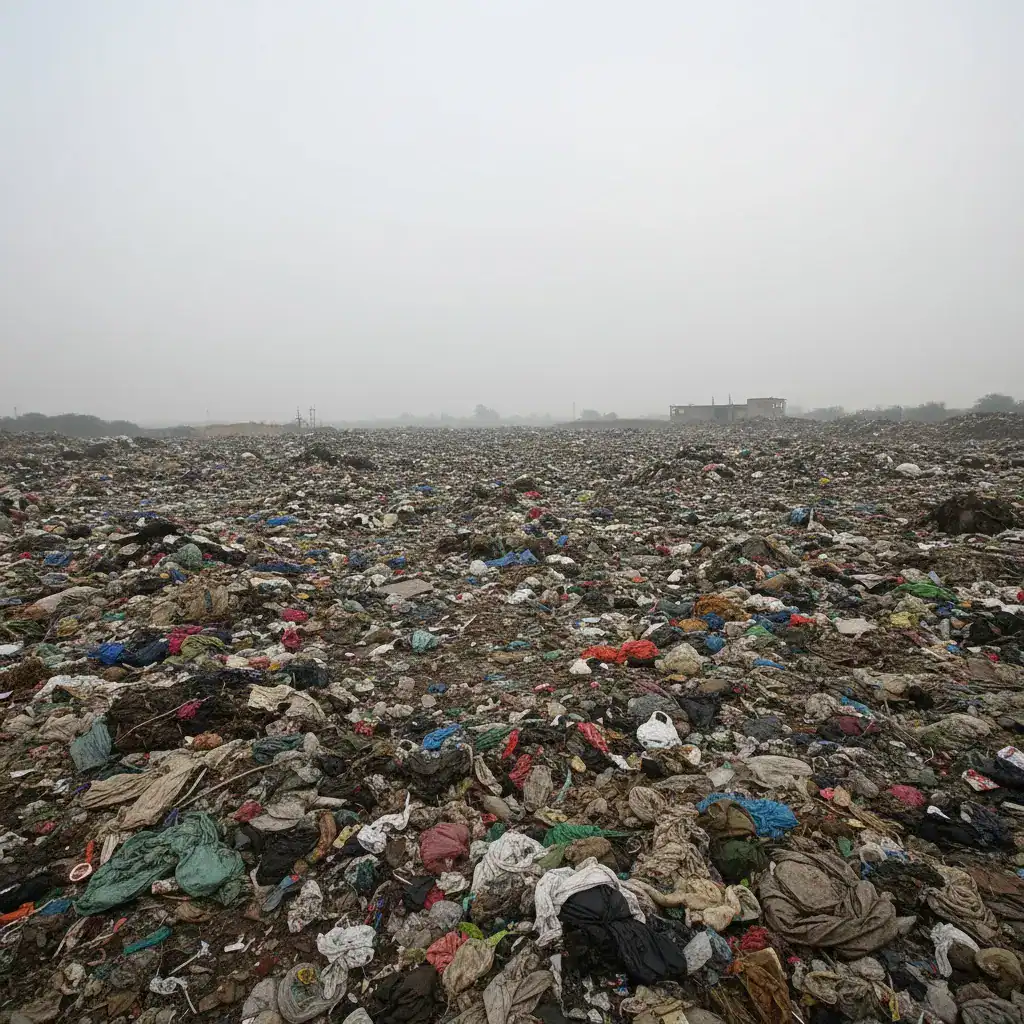
According to Spyros Tsiriggakis, president of the Alepou community, approximately 1,500 tons of burnt and decomposing food waste remain at the site of the destroyed frozen food factory. The facility, which stored large quantities of frozen meat and fish, was completely destroyed in the blaze that occurred in mid-October.
“It’s been 18 days of intense stench,” Tsiriggakis told Greek media. “This isn’t a ticking health bomb – it’s one that has already exploded. We’re talking about hundreds of tons of decaying waste left behind from the fire that destroyed the factory.”
The nauseating smell has spread over a radius of up to three kilometers from the factory site, affecting a significant portion of the village and surrounding areas. The stench has become so overwhelming that many residents have been forced to abandon their homes temporarily or wear protective masks just to move around outdoors.
Residents Fear Contamination and Health Risks
The remaining products from the factory have entered advanced stages of decomposition, creating what local officials describe as a serious public health hazard. Residents are particularly concerned about potential contamination of the local water supply and the wider environment.
“We fear contamination of the water supply and the wider environment,” Tsiriggakis warned. “The company responsible for waste removal apparently lacked proper authorization, and now everything has stopped. We’re waiting for a solution, but the smell is unbearable.”
The situation is expected to worsen with the arrival of rain in the coming days. Weather forecasts predict precipitation in western Greece, including Corfu, which could cause runoff from the decomposing meat and fish to spread contamination further.
“This is a huge problem,” Tsiriggakis said. “If it rains, all those liquids from the rotting products will spread. We’re afraid for both public health and the environment.”
Cleanup Efforts Halted Over Licensing Issues
Local health authorities and a team from the Ministry of Environment have already inspected the site to assess the extent of the environmental damage. Initial cleanup efforts began shortly after the fire, with some waste temporarily transported to another area in mainland Greece.
However, these efforts came to an abrupt halt when it was discovered that the company responsible for waste removal lacked proper authorization to handle the contaminated materials. The licensing issue has created a bureaucratic standstill, leaving the decomposing waste in place while authorities work to find an approved contractor.
Environmental experts estimate that a full cleanup of the site could take at least 20 days once work resumes. The process will involve not only the removal of the rotting food products but also comprehensive disinfection and deodorization of the site to prevent further pollution and eliminate the persistent odor.
Three-Kilometer Radius Affected
The impact of the factory fire extends far beyond the immediate vicinity of the facility. Residents living within a three-kilometer radius have reported the overwhelming smell penetrating their homes, making daily life extremely difficult. Some have complained of nausea, headaches, and difficulty sleeping due to the constant odor.
Local businesses, particularly those in the hospitality and tourism sector, are also concerned about the potential impact on Corfu’s reputation as a popular tourist destination. Although the incident occurred outside the peak summer season, the island relies heavily on tourism year-round, and negative publicity could affect future bookings.
Authorities Working to Find Solution
Regional and local authorities are working urgently to resolve the licensing issues and resume cleanup operations. The Ministry of Environment has been coordinating with local health officials and waste management companies to identify a properly licensed contractor capable of handling the large volume of contaminated organic waste.
The Alepou community council has been in daily contact with regional authorities, pressing for immediate action. Tsiriggakis has called for emergency measures to protect public health and prevent environmental damage, particularly to groundwater sources used by local residents.
“We understand that proper procedures must be followed, but this is an emergency situation,” Tsiriggakis stated. “Every day that passes makes the problem worse. We need action now, not bureaucratic delays.”
Environmental Impact Assessment Underway
Environmental officials are conducting soil and water testing in the area surrounding the factory to determine whether contamination has already occurred. Preliminary results are expected within the next few days, which will help authorities determine the full scope of the environmental damage and the necessary remediation measures.
Experts warn that decomposing organic matter of this scale can produce harmful bacteria and pathogens, as well as attract disease-carrying pests such as rats and flies. The potential for groundwater contamination is particularly serious, as many properties in the area rely on wells for their water supply.
Community Demands Accountability
Beyond the immediate cleanup concerns, residents are demanding answers about how the fire started and why such a large quantity of frozen products was stored at the facility. Questions have also been raised about the adequacy of fire safety measures at the factory and whether proper inspections had been conducted.
Local officials have indicated that a full investigation into the cause of the fire is ongoing, conducted by fire service investigators and police. The results of this investigation could determine whether criminal charges will be filed against the factory owners or operators.
The incident has also sparked broader discussions about industrial safety standards on Corfu and other Greek islands, where tourism-dependent economies often coexist with industrial and agricultural facilities in relatively close proximity to residential areas.
Waiting for Rain to Pass
With rain forecast for the coming days, authorities face a race against time to either remove the waste or implement temporary protective measures to prevent runoff contamination. Emergency containment barriers may need to be erected around the site to capture any liquids produced by the decomposing materials.
Environmental experts estimate that the full cleanup and decontamination process, once it begins, will require specialized equipment and personnel trained in handling biohazardous waste. The cost of the operation is expected to run into hundreds of thousands of euros, which will likely be borne by the factory owners’ insurance company, assuming adequate coverage exists.
For now, the residents of Alepou can only wait and hope that authorities will find a swift solution to a crisis that has already disrupted their lives for more than two weeks. As Tsiriggakis noted, every day of delay increases the risk to public health and the environment.
“We’re a small community, and we feel abandoned,” he said. “We just want our village back, we want clean air, and we want to know that our water is safe. Is that too much to ask?”
Source: https://www.tovima.com/society/rotting-food-stench-chokes-corfu-village-after-factory-fire/