The Partnership for Transatlantic Energy Cooperation (P-TEC) summit scheduled for Thursday and Friday in Athens is expected to significantly strengthen Greece’s position as a critical energy supply hub for Southeast Europe. The intergovernmental meeting will bring together top US government officials, European energy ministers, and senior executives from multinational energy companies.
Strong US Delegation Headed to Athens
The United States will send a particularly robust delegation to the Athens summit, underscoring the strategic importance of transatlantic energy cooperation. Four US cabinet-level officials are confirmed to attend the two-day conference.
Minister of Environment and Energy Stavros Papastavrou told the Athens-Macedonian News Agency that “global interest in energy issues will be focused on our country next week.”
The US delegation will include:
- Doug Burgum, US Secretary of the Interior and head of the National Energy Sovereignty Council
- Chris Wright, US Secretary of Energy
- Michael Rigas, Under Secretary of State for Management and Resources
- Jacob Helberg, US Under Secretary of State for Economic Growth, Energy, and the Environment
Additional high-ranking officials from the Trump administration are also expected to participate in the conference, though their names have not yet been publicly disclosed.
Unprecedented International Participation
The Athens summit will host energy ministers from 25 countries spanning both sides of the Atlantic Ocean. More than 400 senior executives from major American and European corporations are registered to attend, including representatives from Chevron, ExxonMobil, Cheniere, and Google.
The conference is jointly organized by the US Department of Energy, the Greek Ministry of Environment and Energy, and the Atlantic Council Global Energy Center. Discussion topics will encompass energy security, competitiveness, infrastructure development projects, and investment opportunities throughout the region.
Greece’s Strategic Energy Position
Minister Papastavrou emphasized the potential impact of the summit on Greece’s international standing. “This meeting, and the significant energy agreements we are optimistic will be announced, will further enhance our country’s position in the international energy and geostrategic landscape,” he stated.
The minister highlighted that following Chevron’s involvement in hydrocarbon exploration in four Greek maritime areas, energy is becoming a major lever for upgrading Greece’s regional role as a principal architect of the area’s energy infrastructure.
Greece’s strategic location at the crossroads of Europe, Asia, and Africa positions it uniquely to serve as an energy gateway for the broader European market. The country has invested heavily in LNG infrastructure and pipeline connectivity in recent years.
Critical Timing as Europe Phases Out Russian Gas
The timing of the Athens P-TEC session carries particular significance as Europe prepares for a major shift in its energy supply chains. The European Union is expected to implement a ban on Russian natural gas imports by the end of 2027, creating a substantial supply gap that will need to be filled by alternative sources.
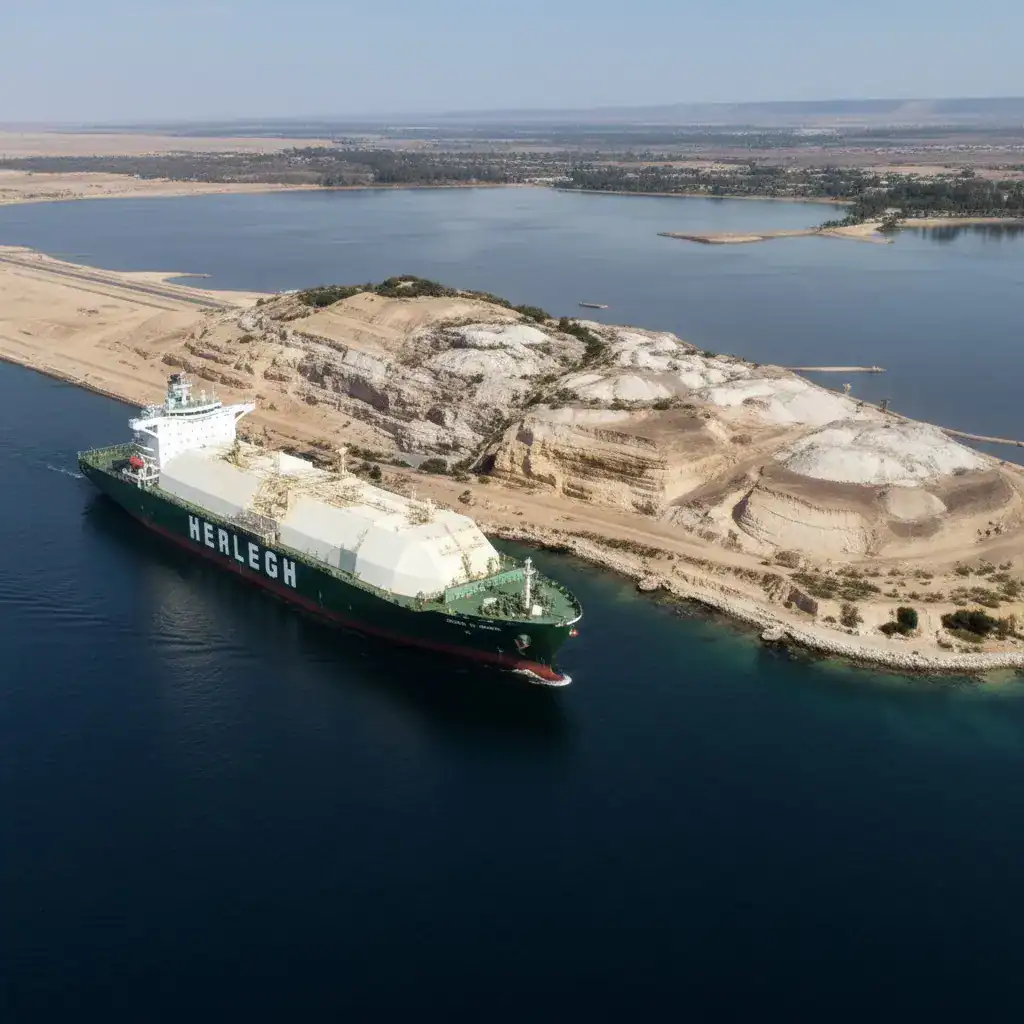
Greece is well-positioned to help bridge this gap through its existing LNG infrastructure, particularly the facilities at Revithoussa and Alexandroupolis. These terminals provide critical import capacity for liquefied natural gas from the United States and other non-Russian sources.
The Revithoussa LNG terminal, located near Athens, has been operational for decades and recently underwent capacity expansion. The newer Alexandroupolis facility in northern Greece provides a strategic entry point for gas destined for Central and Eastern European markets.
Pipeline Connectivity Enhances Greek Role
A recent milestone underscoring Greece’s growing importance was the successful joint auction for reserving capacity to export natural gas from Greece to Ukraine via the region’s pipeline system. This initiative received strong support from Ukraine’s state energy company Naftogaz.
The development demonstrates how Greek LNG terminals are becoming increasingly vital for diversifying gas flows into Central and Eastern Europe, reducing the region’s historical dependence on Russian pipeline gas.
Major Energy Agreements Expected
Greek officials have expressed optimism that the P-TEC summit will yield concrete agreements and announcements that will further solidify the country’s energy sector development. While specific details have not been disclosed ahead of the meeting, industry observers anticipate potential agreements covering:
- Long-term LNG supply contracts between US exporters and European buyers transiting through Greece
- Infrastructure investment commitments for expanding Greek energy facilities
- Bilateral cooperation frameworks on renewable energy and energy transition technologies
- Regional pipeline development initiatives
Economic and Geopolitical Implications
Beyond the immediate energy sector benefits, the summit represents a significant opportunity for Greece to enhance its economic and geopolitical standing within Europe and the broader transatlantic community.
Energy security has become a top priority for European nations following Russia’s invasion of Ukraine in 2022 and the subsequent disruption of traditional gas supply routes. Countries that can facilitate reliable alternative supplies gain strategic importance and economic leverage.
For Greece, which has faced economic challenges in recent years, the energy sector represents a promising avenue for economic growth, job creation, and increased foreign investment. The participation of major multinational corporations at the Athens summit signals strong commercial interest in Greek energy projects.
Broader Regional Energy Cooperation
The P-TEC framework extends beyond bilateral US-Greece relations to encompass broader regional energy cooperation across Southeast Europe and the Eastern Mediterranean. The summit provides a platform for multilateral discussions on interconnected energy infrastructure and coordinated approaches to energy security.
Greece has been actively developing energy partnerships with neighboring countries including Bulgaria, North Macedonia, and Cyprus. These relationships are expected to be further strengthened through discussions and agreements reached during the Athens conference.
The two-day summit beginning Thursday represents a critical juncture for transatlantic energy cooperation and Greece’s emergence as a strategic energy gateway for Europe. With high-level political participation, substantial corporate presence, and the backdrop of Europe’s energy transition away from Russian gas, the Athens meeting is positioned to produce significant outcomes for regional energy security and Greek economic development.
Source: https://greekreporter.com/2025/11/02/four-u-s-cabinet-officials-energy-summit-athens/