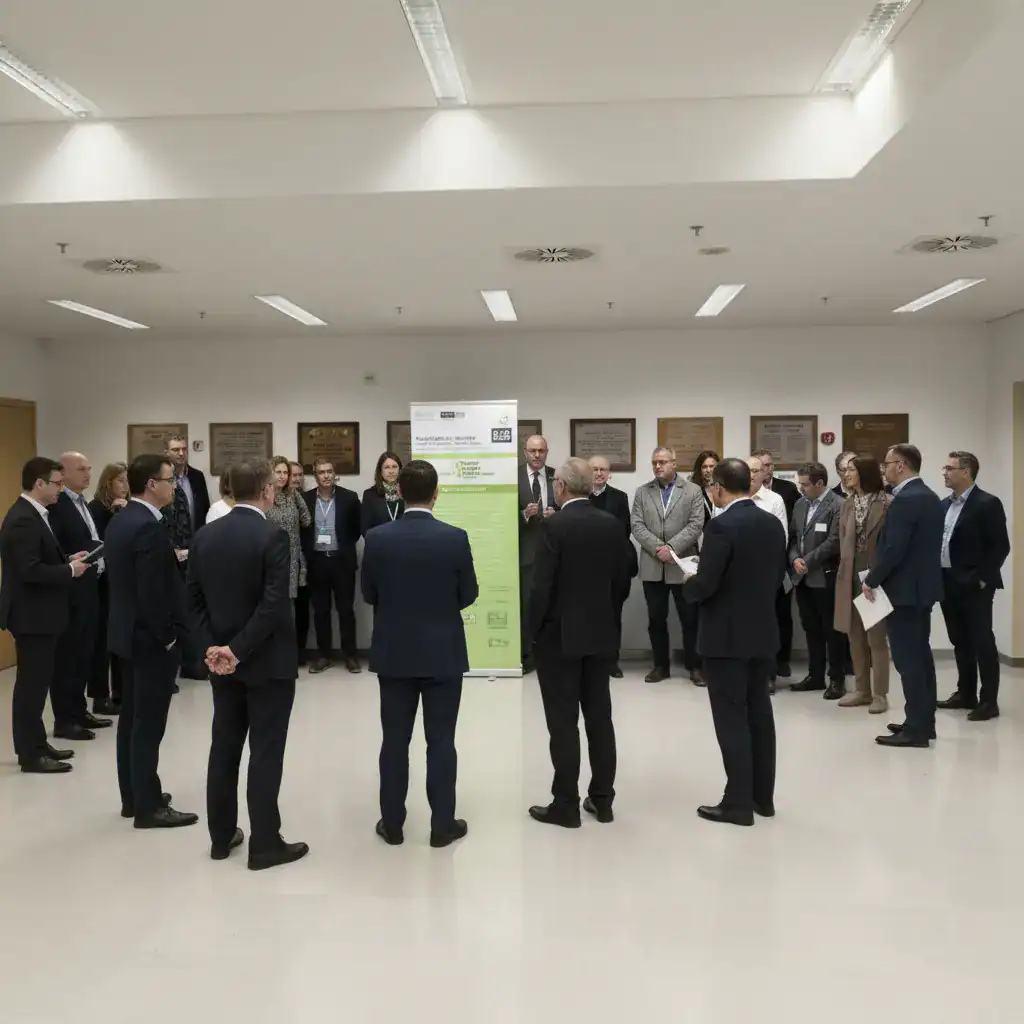
Athens, January 30 – The EU-funded ReTour project, aimed at strengthening the resilience of tourism Small and Medium-sized Enterprises (SMEs) across the Mediterranean region through innovation and technology, officially launched with its kick-off meeting in Athens. The initiative, coordinated by the National Technical University of Athens (NTUA), received 1.63 million euros in funding from the European Union through the Interreg NEXT MED Program, out of a total budget of 1.83 million euros.
ReTour Project: Enhancing Resilience and Competitiveness
The ReTour project, formally known as ‘Building Resilient SMEs in the Tourism Industry,’ is designed to help tourism SMEs adapt to significant challenges such as seasonality, geopolitical instability, and climate change. Its core objectives include fostering innovation, promoting cross-border cooperation, and developing essential skills within the tourism sector. A key focus is to boost the competitiveness of tourism businesses by providing access to advanced technologies, including artificial intelligence (AI), the Internet of Things (IoT), and blockchain.
Representatives from the nine partner organizations gathered at NTUA in Athens on January 7-8 to outline the project’s strategic next steps. Discussions centered on how digital tools, particularly AI and blockchain, can effectively support tourism SMEs in managing future crises and disruptions. The initiative seeks to transition the tourism sector from a reactive crisis management approach to a more proactive and resilient framework, ensuring the Mediterranean maintains its status as a premier global tourist destination.
Addressing Key Pressures and Implementing Solutions
During the Athens kick-off meeting, ReTour partners identified several main structural pressures confronting tourism SMEs in the participating Mediterranean countries. These include significant workforce gaps, challenges presented by seasonality, exposure to climate-related risks, and geopolitical uncertainties. The project aims to tackle these issues head-on with a comprehensive action plan.
Key actions planned under the ReTour project include:
- Mapping the primary risks faced by tourism SMEs across the region.
- Establishing a digital Innovation Hub to facilitate collaboration and knowledge sharing.
- Developing tailored technology implementation plans and pilot projects for participating companies.
The project will run for 30 months and involves a consortium of nine partners spanning six countries: Greece, Cyprus, Italy, Türkiye, Jordan, and Lebanon. Additionally, the initiative benefits from the involvement of associated partners linked to the broader tourism ecosystem, ensuring wide-ranging impact and collaboration.
The Role of Athens and NTUA
Athens, as the coordinating hub for the ReTour project, plays a pivotal role in driving this significant regional initiative. The National Technical University of Athens (NTUA) leads the project, leveraging its expertise to guide the development and implementation of innovative solutions for tourism SMEs. The successful launch of the project underscores the commitment of the European Union and its partners to support the sustainable growth and resilience of the Mediterranean tourism industry.
The project’s focus on digital innovation, including AI and blockchain, highlights a forward-thinking approach to equipping tourism businesses with the tools needed to navigate an increasingly complex global landscape. By fostering a culture of innovation and collaboration, ReTour aims to create a more robust and adaptable tourism sector that can effectively respond to future challenges and opportunities.
Further details on the project’s progress and outcomes will be shared as the initiative unfolds across the participating countries. The ReTour project represents a crucial step towards building a more sustainable and resilient future for tourism in the Mediterranean.