Firm Challenges Athens Scooter Regulations
Athens, February 3, 2026 – A private company has formally appealed against the new regulations introduced by the Municipality of Athens concerning the operation and parking of electric scooters within the city. The appeal, submitted to the Attica Decentralized Administration, specifically targets provisions that impose fines on both scooter operators and users for violations, as well as fees for the use of newly established designated parking spaces.
Details of the Appeal
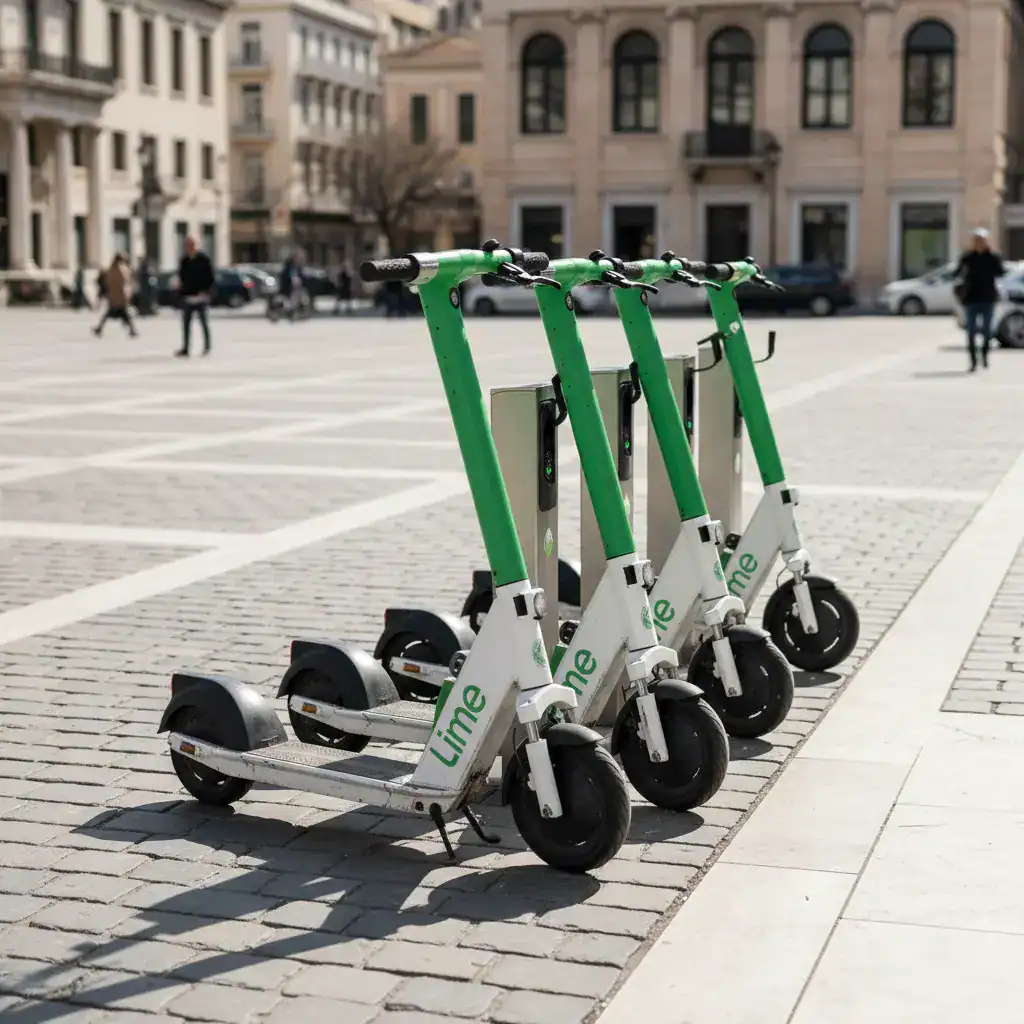
According to reports, the company is contesting several key aspects of the municipal framework. The core of the dispute lies in the financial penalties levied for non-compliance and the charges associated with using the 1,574 designated parking spaces for rental scooters, which are distributed across 124 zones throughout the city. The Attica Decentralized Administration is currently reviewing the municipality’s regulatory framework in response to this appeal.
New Regulations for Scooter Use and Parking
The Municipality of Athens implemented these regulations to manage the increasing presence of electric scooters and ensure pedestrian safety and order in public spaces. Key aspects of the new rules include:
- Designated Parking: Rental companies are now permitted to park scooters exclusively in the 124 designated zones.
- Private Scooter Parking: Private users must maintain a minimum of 1.5 meters of space for pedestrians when parking. Parking near ramps, crossings, entrances, key access points, or within 20 meters of archaeological sites is prohibited.
- Restricted Areas: Scooters are banned from pavements around the Acropolis, Ermou Street, and Aeolou Street.
- Speed Limits: A strict 6 km/h speed limit is enforced in Psyrri, on the Kerameikos pedestrian street, and across all sidewalks and public spaces.
- Road Restrictions: Scooters are prohibited on roads where the speed limit exceeds 50 km/h.
These measures aim to mitigate congestion and potential hazards associated with widespread scooter use, particularly in high-traffic tourist areas and pedestrian zones.
Impact on Urban Mobility and Tourism
The introduction of these regulations has sparked debate within the city. While proponents argue that they are essential for maintaining order and safety, particularly for pedestrians and in culturally sensitive areas, critics, including the appealing company, suggest that some provisions may be overly restrictive or financially burdensome for operators and users. The outcome of this appeal could significantly influence the future of electric scooter services and urban mobility in Athens, a city that is increasingly embracing micro-mobility solutions while also grappling with the challenges of balancing modern transport with historical preservation and quality of life for its residents.
The municipality’s efforts to regulate scooter usage are part of a broader initiative to manage urban transport and public spaces, as reflected in other recent city decisions, such as studies for municipal transport networks and ongoing discussions about car usage in the capital.