Athens, May 3, 2026 – More than two decades after the Greek state expropriated four refugee apartment blocks on Alexandras Avenue in Athens, a long-delayed restoration plan is moving forward, reviving a conflict over who should shape the future of the historic buildings. Constructed between 1933 and 1936 for families from Asia Minor and Pontus, these Bauhaus-style complexes narrowly escaped demolition in the early 2000s after campaigns by architects and universities secured landmark protection status.
Neglect and the Rise of a Self-Organized Community
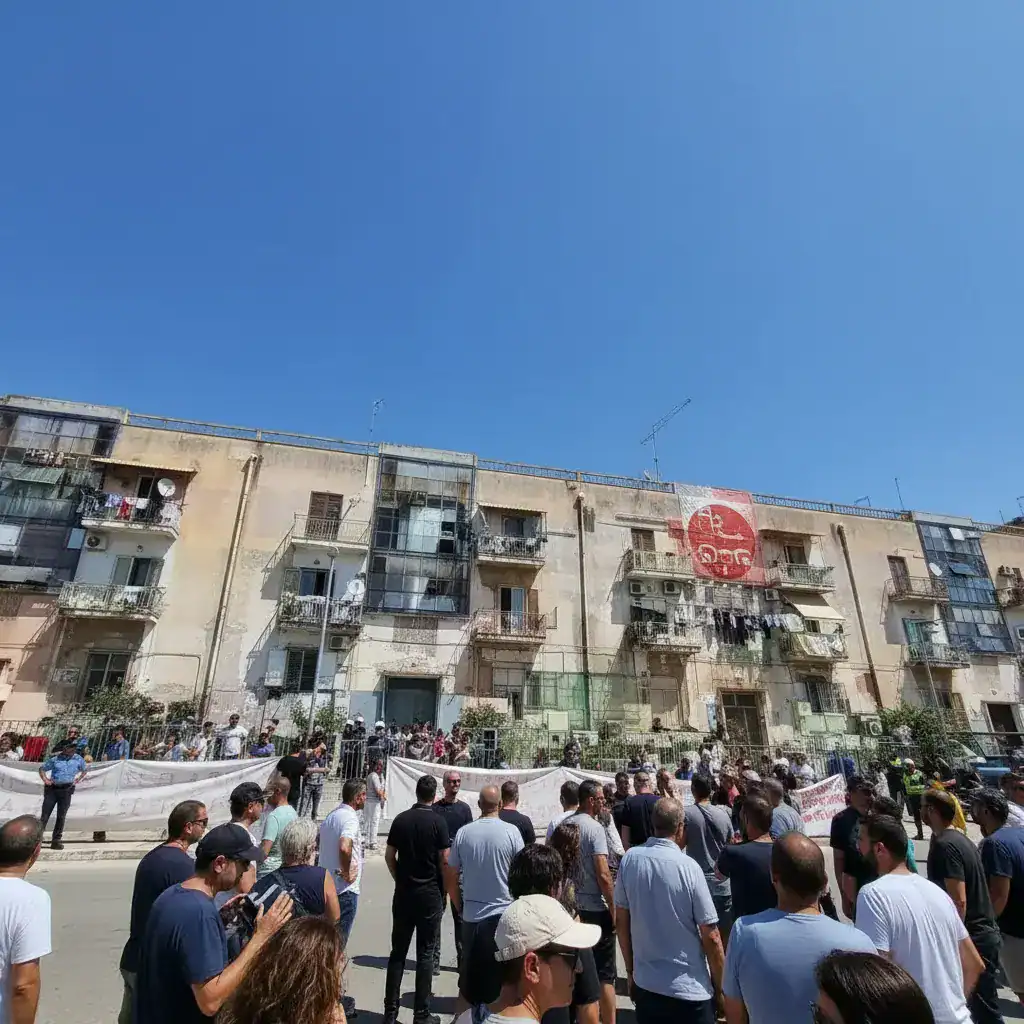
Despite their protected status, the buildings remained neglected for years. This neglect led to the formation of a self-organized community of more than 400 residents, including migrants, Greeks, and 50 children, who made the blocks their home. This community has since developed its own systems and established a vibrant, albeit informal, living arrangement within the historic structures.
Attica Regional Authority’s Restoration Plan
The Attica regional authority has now announced that European funding will be utilized to restore the apartments. The stated aim is to transform them into social housing, emphasizing “dignity and solidarity.” As part of this plan, the authority has promised relocation support for the current occupants, intending to facilitate their move during the restoration period and potentially offer them housing in the renovated blocks.
Residents’ Collective Rejects the Plan, Proposes Alternative
However, the residents’ collective has vehemently rejected the authority’s plan. They express serious concerns about displacement and potential gentrification, fearing that the restoration will ultimately lead to them losing their homes and the unique community they have built. Instead, the collective is seeking permission for its nonprofit association to undertake the renovation of the buildings independently, using its own resources. This proposal aims to ensure that the restoration benefits the existing community and preserves its character.
Competing Visions Lead to Confrontation
Both the Attica regional authority and the residents’ collective describe their respective projects as a “social mission.” Despite this shared terminology, their competing visions for the future of the refugee blocks appear increasingly headed toward a confrontation. The authority emphasizes a formalized, externally funded restoration with a focus on standardized social housing, while the residents prioritize self-determination, community preservation, and a renovation process driven by their own resources and needs.
Historical Context and Architectural Significance
The refugee blocks hold significant historical and architectural value. Their construction in the 1930s provided essential housing for a vulnerable population, and their Bauhaus design represents an important period in Greek architectural history. The designation of landmark protection status underscores their cultural importance, making their future a matter of public interest and debate.
Broader Implications for Social Housing and Urban Development
This conflict in Athens reflects broader issues surrounding social housing, urban development, and the rights of informal communities in historic urban centers. The outcome of this dispute could set a precedent for how similar situations are handled in Greece and potentially across Europe. It highlights the tension between top-down urban planning initiatives and grassroots community efforts to shape their living environments.
Uncertain Future for the Alexandras Avenue Blocks
As the restoration plan moves forward, the future of the Alexandras Avenue refugee blocks remains uncertain. The clash between the regional authority’s vision and the residents’ demands suggests a complex and potentially prolonged negotiation process. The question of who ultimately controls the narrative and the physical transformation of these historic buildings will determine the fate of both the architecture and the community it houses.
Source: ekathimerini.com