Athens’ Dragatsaniou Street: From Electrical Hub to Gastronomic Hotspot – A Sign of Urban Homogenization?
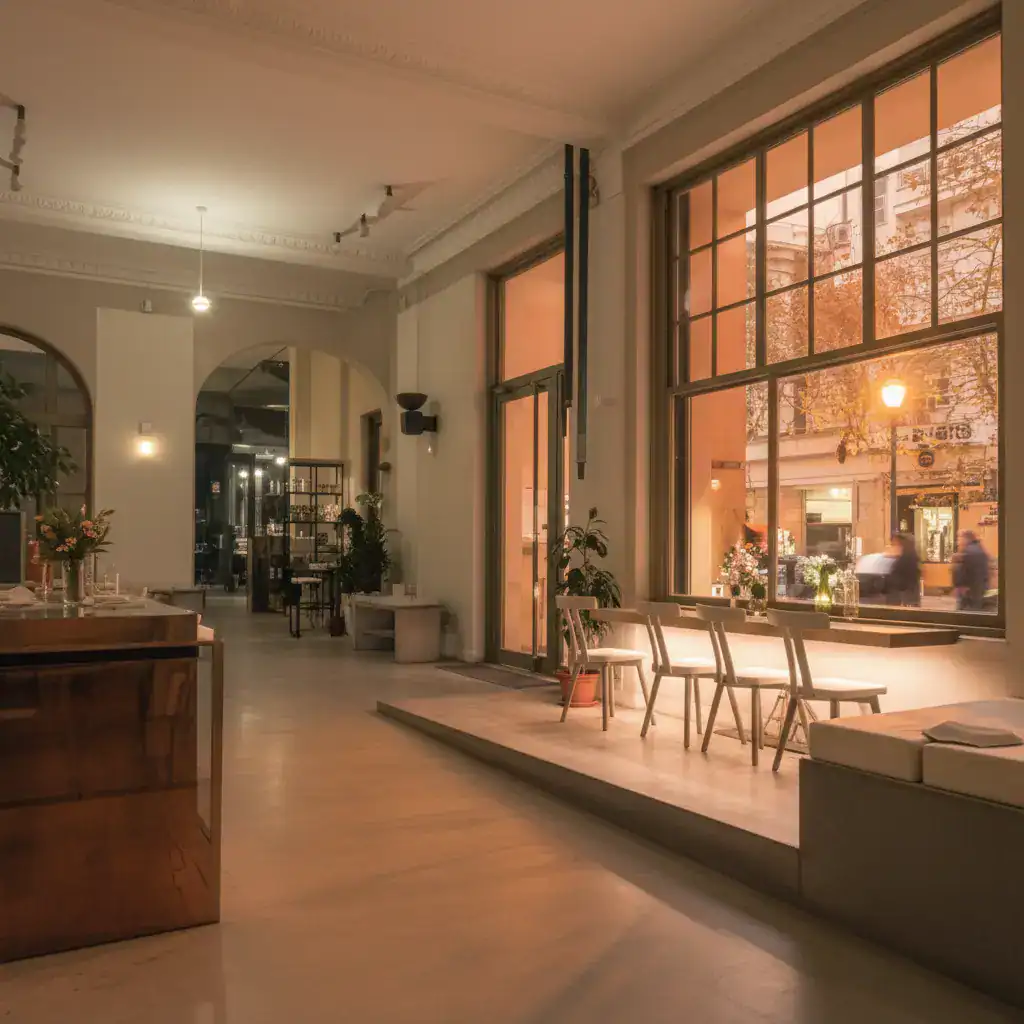
Dragatsaniou Street, nestled in the vibrant heart of Athens’ commercial triangle, was once synonymous with electrical goods, a bustling center where citizens flocked for their electronic needs. However, the tumultuous period of Greece’s debt crisis left its indelible mark, leading to the closure of many long-standing businesses and rendering the street desolate. Yet, as often happens in urban landscapes, voids are quickly filled, and Dragatsaniou Street has emerged from its slumber, albeit with a dramatically altered character, now dominated by a burgeoning array of cafes, bars, and restaurants.
This rapid transformation is not merely anecdotal; within a mere few dozen meters, six new eateries, including restaurants, pizzerias, and bakeries, alongside bars, have sprung up in just the last six months. This surge in gastronomic establishments prompts a crucial question: Is this a positive development for Athens, or does it signal a deeper, more complex urban phenomenon?
Revitalization or Homogenization? The Expert’s View
To delve into this question, Kathimerini sought the insights of Yannis Aesopos, a distinguished professor of architecture and urban planning at the University of Patras. His perspective offers a nuanced understanding of the ongoing changes. “It undoubtedly revitalizes the area,” Aesopos acknowledges, recognizing the immediate benefits of renewed economic activity and pedestrian traffic. However, he quickly adds a critical caveat: “but it leads to the further homogenization of the city, eliminating the differences between its parts.”
This concept of homogenization is central to understanding the broader implications of Dragatsaniou Street’s evolution. While revitalization brings life back to neglected areas, an unchecked proliferation of similar businesses – in this case, food and entertainment venues – can erode the unique character and diversity that once defined different city districts. Athens risks losing the distinct identities of its neighborhoods, replacing them with a uniform landscape of cafes and restaurants that, while appealing to tourists and residents alike, ultimately blur the city’s historical and cultural tapestry.
The Inevitable Spread of the Food Service Industry and the Airbnb Effect
Aesopos further posits a compelling parallel: “Can the spread of the food service industry be avoided? It seems not. It corresponds to the spread of Airbnb: The empty shells are filled with new uses, for residents and tourists alike.” This comparison is particularly insightful. Just as Airbnb capitalizes on vacant properties to meet the demand for short-term accommodation, the food service industry fills commercial vacancies, catering to both local appetites and the ever-growing tourist market. This symbiotic relationship between available spaces and new businesses drives urban change, often beyond the direct control of urban planners or policymakers.
However, Aesopos also highlights a silver lining in this trend: “But, at the same time, the abandoned building stock is being repaired, upgraded, maintained – let’s not forget that.” The economic incentive to transform derelict buildings into thriving businesses leads to significant investment in urban infrastructure. This revitalization of abandoned properties, while driven by commercial interests, contributes to the overall aesthetic and structural improvement of the city, preventing further decay and potentially attracting other forms of investment.
The Broader Context: Athens’ Economic and Social Landscape
The transformation of Dragatsaniou Street is not an isolated incident but rather a microcosm of broader economic and social shifts within Athens. The Greek debt crisis, which forced many traditional businesses to close, created an environment ripe for new ventures. The subsequent recovery, coupled with a booming tourism sector, has favored industries that cater to leisure and hospitality. This is further evidenced by the broader trend of entertainment and tourism replacing other activities across various Athenian streets, as highlighted by reports from Kathimerini.
The rise of the food service industry also reflects changing consumer habits and urban lifestyles. As Athens continues to evolve as a modern European capital, its residents and visitors increasingly seek vibrant public spaces for socializing, dining, and entertainment. This demand, combined with the availability of commercial spaces, creates a powerful impetus for the kind of transformation observed on Dragatsaniou Street.
Challenges and Opportunities for Urban Planning
While the economic benefits of such revitalization are clear, the challenge for urban planners lies in managing this growth to prevent excessive homogenization and to preserve the city’s diverse character. This requires a delicate balance between encouraging economic development and implementing policies that protect historical and cultural identities.
Cities like Athens must consider strategies that promote a mix of uses, ensuring that commercial areas do not become solely dedicated to a single industry. This could involve incentives for diverse businesses, regulations on the types of establishments allowed in certain zones, or support for local artisans and traditional trades. The goal should be to foster dynamic urban environments that are both economically vibrant and culturally rich, offering a variety of experiences for all who inhabit or visit them.
Conclusion: A City in Flux
Dragatsaniou Street’s journey from an electrical goods hub to a gastronomic hotspot is a compelling narrative of urban resilience and adaptation in the face of economic adversity. While it undeniably brings renewed life and investment to a once-deserted area, it also serves as a potent reminder of the ongoing tension between revitalization and homogenization in contemporary urban development. The question for Athens, and indeed for many global cities, is how to embrace change and foster economic growth without sacrificing the unique character and diversity that make each neighborhood distinct. The answer will determine whether Athens evolves into a vibrant, multifaceted metropolis or a city where every street begins to look and feel the same.