

Greece’s Education Minister Sophia Zacharaki opened the Corfu KEDASY – the Interdisciplinary Center for Assessment, Counseling and Support – yesterday at 17:00 in Corfu. She outlined a plan for a digital platform to track requests for evaluations from families of children with learning difficulties and school adaptation issues. The package also includes nine new diagnostic tools funded through a program and the purchase of new technological equipment.
Why does this matter for Corfu’s schools?
The Corfu KEDASY has been operating since July in a modern building leased by the Ionian Islands Region and now supports more than 1,000 families. The platform is meant to make requests easier to follow and coordinate, while the added diagnostic tools and equipment should strengthen interdisciplinary help for pupils and their families. No timeline was given, and the ministry presented these steps as part of a wider effort to improve educational support services on the island.
Who attended the event?
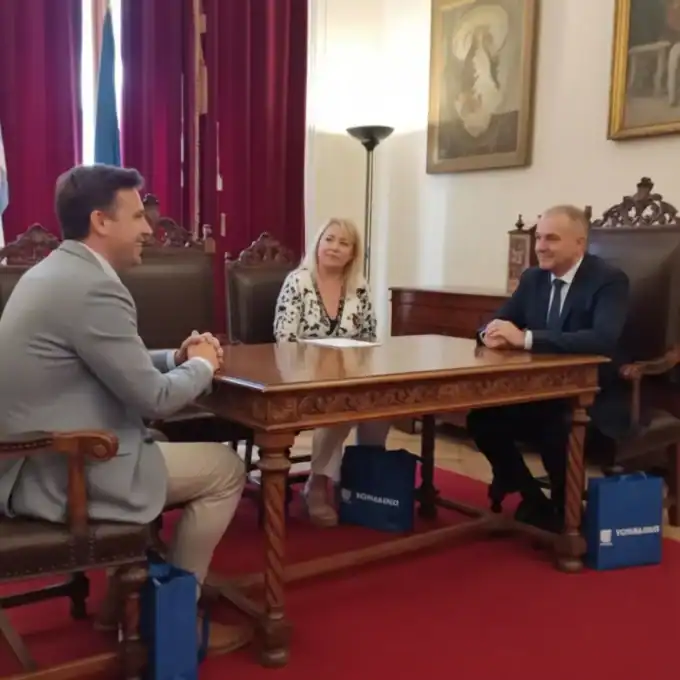
Beyond the ribbon-cutting, the minister visited school units and met representatives of local self-government, the Rector of the Ionian University and the Regional Director of Education. Talks focused on immediate needs in primary and secondary education and on what KEDASY requires to operate effectively.
What do residents and teachers say?
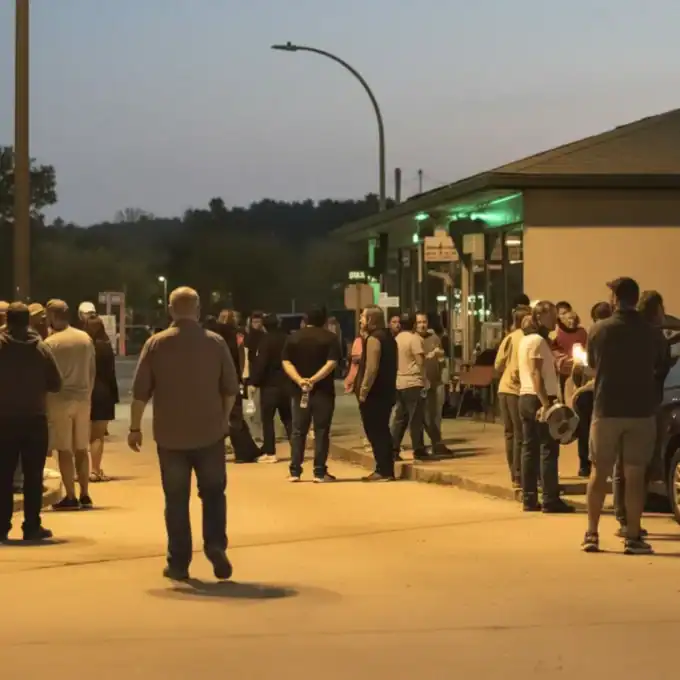
Teacher unions, the parents’ association and the Corfu Labour Centre organized a protest seeking a face-to-face meeting to lay out what they consider the real problems in local education. Police stopped demonstrators from approaching the KEDASY site; the minister later met representatives outside the initial schedule. After the meeting, unions said they did not receive concrete commitments on the issues raised.
What were the main concerns?
- Staffing: More than 200 vacancies were reported in primary and secondary education. The ministry noted that substitute teachers have been hired, with remaining needs still under review.
- Living costs for teachers: Housing costs and related care for teachers posted to the island were flagged as problems that need a closer look.
- Infrastructure: Ongoing shortages in school buildings mean some students continue lessons in container classrooms, a situation unions call unsustainable.
How did local authorities respond?
The ministry pointed to continued cooperation with local self-government and other competent ministries to find suitable spaces for schooling. Regional authorities highlighted their role in leasing the KEDASY building, and the ministry referred to ongoing procurement of tools and equipment to support evaluations and counseling.
How long will solutions take?
According to the minister, these issues cannot be solved “from one day to the next,” especially in places like Corfu where appropriate spaces are limited. Officials described a phased plan that combines staffing measures with work on facilities.
What are the next steps?
In the coming period, the Ministry of Education plans to activate the request-tracking platform, complete integration of the nine diagnostic tools funded for KEDASY and proceed with new equipment purchases. As of early October, the center continues to serve more than a thousand families from its leased site in Corfu, with further updates expected from the ministry. The inauguration on 6 October at 17:00 is a formal milestone, but real change will hinge on staffing, facilities and the rollout of the new systems.












Leave a comment