

European Heritage Days 2025, with the theme “Architectural Heritage – Bridging the past with the future”, brought residents and visitors to the Palace of St. Michael & St. George in Corfu for guided tours held on 26-28 September. Over three days, the Museum of Asian Art hosted the thematic walk “One Monument – Many Stories: the Palace through the Gaze of Time”, inviting school groups and anyone curious to see how the building’s purpose and meaning have changed over time.
Why did the heritage tour draw crowds?
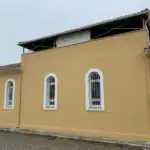
The Palace is one of Corfu’s most recognizable landmarks, the kind people point out to friends. The program offered a rare, structured look at its architecture and the stories layered into it. Designed by British engineer Sir George Whitmore, with sculptural work by Corfiot artist Pavlos Prosalentis and local workshops, the monument shows the kind of craftsmanship that defined its era. Guides drew attention to the facade, interiors and decorative program, and placed these details within the island’s 19th-century changes.
Who participated in the event?
The overall curation was led by Despina Zernioti CMG, Director of the Museum of Asian Art. The tour itself was run by Michalis Trivyzas (archaeologist), Panagiota Vasileiadou (museum educator) and Christianna Kitsu (librarian), who walked visitors through key spaces and stories on site.
What did the cultural program offer?
Beyond stone, plaster and ornament, the narrative followed the Palace’s changing roles – from headquarters of the Order of St. Michael and St. George and the residence of the first British High Commissioner Sir Thomas Maitland to its current life as the Museum of Asian Art. Seeing this timeline helped visitors connect political history, urban growth and everyday museum work in Corfu.
Why was it worth attending?
The tour linked what you can touch and see with the broader story, matching the European Heritage Days idea of linking past and future. People of different ages left with simple tools to read the building’s fabric, notice how use shapes heritage, and value the teamwork behind its creation and care. Clear, practical, and not only for specialists.
How did residents react?
Organizers reported that families, students and culture enthusiasts joined in the discussion, picking up the guides’ prompts and asking their own questions. The friendly format made room for talk about conservation, public access and the Palace’s place in Corfu’s daily cultural life. You could feel genuine curiosity in the rooms.
Where can you learn more?
More details are available through the Museum of Asian Art’s official channels. At the time of writing, organizers had not shared attendance figures, ticketing information or dates for future tours; we will update once these are confirmed.







Leave a comment