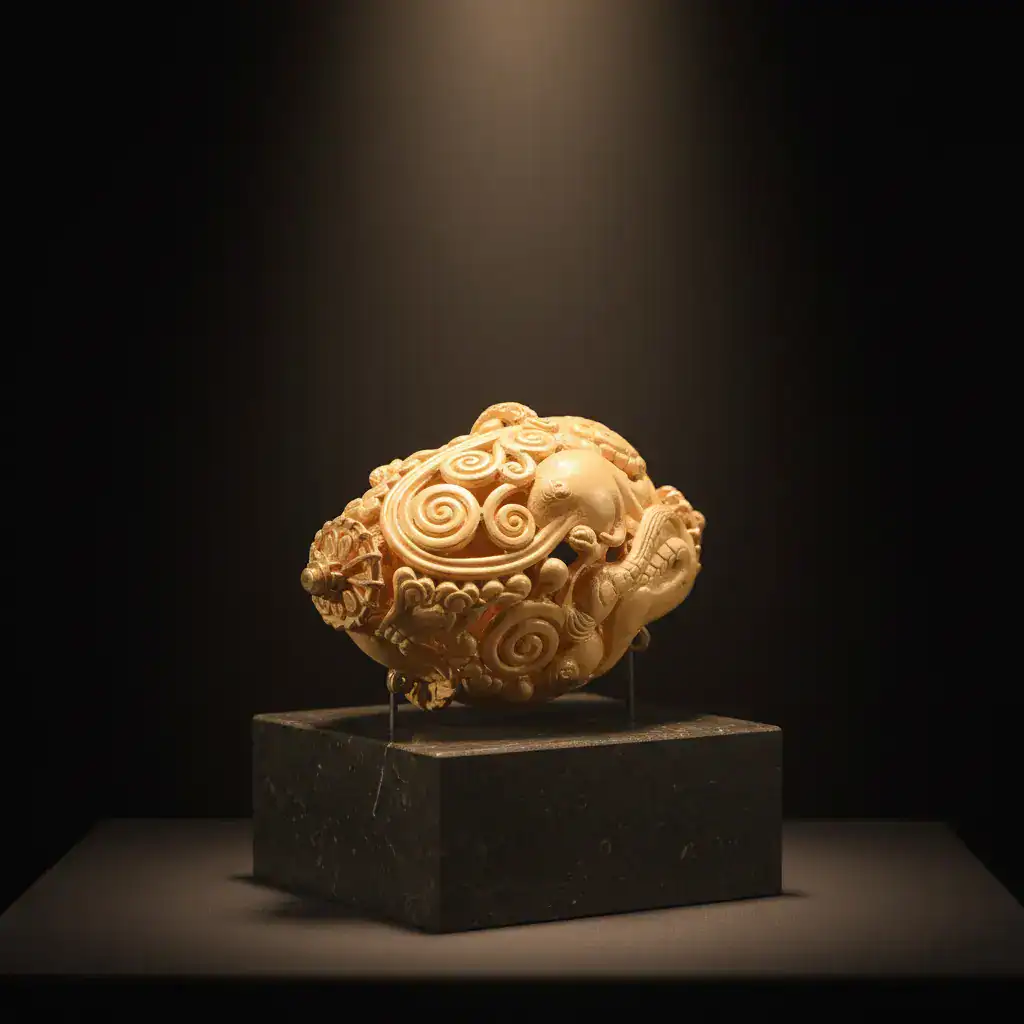
Athens, Greece – On Monday, May 25, 2026, the National Archaeological Museum in Athens inaugurated “Pylos of Nestor: A Mycenaean Kingdom Revealed,” a temporary exhibition featuring an extraordinary collection of Aegean prehistory masterpieces. The exhibition, which will run until the end of October, offers a unique insight into the radiant Greek civilization of Mycenae.
Highlights of the Exhibition
Among the most significant artifacts on display is the renowned combat agate sealstone, unearthed from the unlooted “Griffin Warrior” shaft grave in Pylos. This piece is widely recognized as one of the most important artistic masterpieces of Aegean prehistory. Visitors will also have the rare opportunity to view the only known crown from the Mycenaean world, discovered in Messinia, which is also one of the oldest existing crowns. Another prominent exhibit is the famous “Tablet of the Tripods,” instrumental in confirming Michael Ventris’ decipherment of the Linear B script.
A Fresh Curatorial Approach
This Athens showcase marks the final stop of an international tour, following successful presentations at the Archaeological Museum of Messinia and the J. Paul Getty Museum. However, the Athens iteration distinguishes itself through a fresh curatorial approach and enriched narrative perspectives, placing a unique emphasis on the process of archaeological discovery itself.
Konstantinos Nikolentzos, Deputy Director General of the National Archaeological Museum, highlighted the exhibition’s core objective in an interview with the Athens-Macedonian News Agency (AMNA). “Our primary objective is not only to display the findings, but also to connect them with the excavation work behind them,” Nikolentzos stated. “We want to bring the public closer to the post-excavation research and link these artefacts with the people who discovered them. In this sense, the exhibition can also be ‘read’ as an excavation diary.'”
Connecting Artifacts with Discovery
The exhibition aims to bridge the gap between the ancient artifacts and the meticulous archaeological work that brought them to light. By focusing on the journey of discovery, the museum hopes to provide visitors with a deeper appreciation for the scientific and historical processes involved in unearthing the past. This approach transforms the exhibition into an engaging narrative of exploration and understanding, allowing the public to experience the excitement of archaeological research.
International Recognition and Local Impact
The successful international tour underscores the global significance of these Mycenaean treasures. Their return to Greece, particularly to Athens, allows a broader audience to engage with a pivotal period of Greek history. The exhibition not only celebrates the artistic and technological achievements of the Mycenaean civilization but also honors the dedication of the archaeologists whose work continues to enrich our understanding of ancient cultures.
Future of Archaeological Exhibitions
The innovative curatorial strategy employed in “Pylos of Nestor” sets a precedent for future archaeological exhibitions, emphasizing the narrative of discovery alongside the display of artifacts. This approach fosters a more interactive and educational experience for visitors, encouraging them to consider the human effort and scientific rigor behind each displayed item.
The exhibition is expected to attract numerous visitors, including scholars, students, and the general public, eager to explore the rich heritage of the Mycenaean kingdom and the fascinating process of archaeological investigation. Its run until the end of October provides ample opportunity for both local residents and international tourists to delve into this captivating chapter of ancient history.