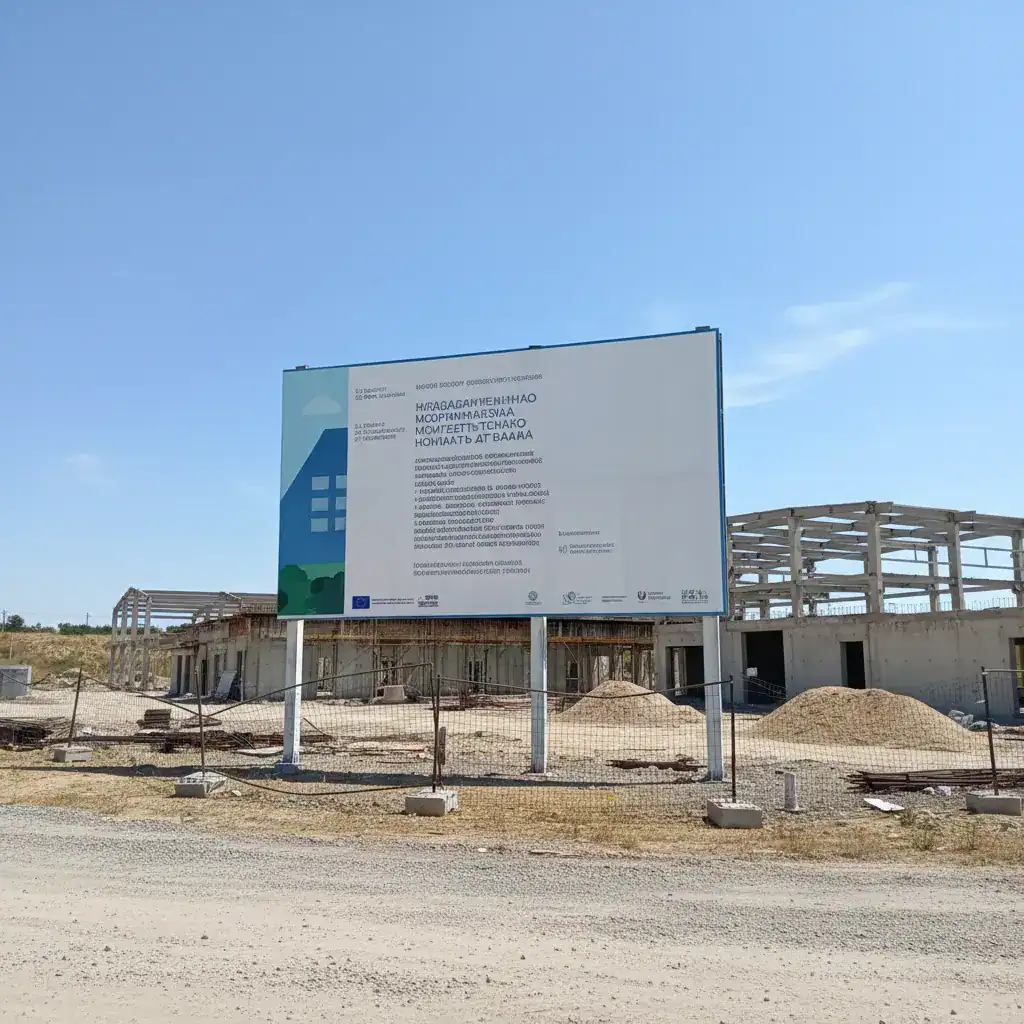
The Ionian Islands, particularly Corfu and Lefkada, are facing a critical juncture in their waste management strategy. Recent revelations indicate that crucial funding for waste treatment plants in both regions has been withdrawn due to the expiration of the financing programs. This decision, outlined in a document dated February 6, 2026, from the Secretary-General for the Management of ETPA, TA, and EKT Programs, has sparked outrage and calls for accountability from local authorities and the government.
The Unraveling of Promises: A Funding Fiasco
The defunding of these vital projects, alongside 30 other similar initiatives, has exposed a stark disconnect between political rhetoric and tangible action. Just last December, the Regional Governor held celebratory events, complete with press conferences and official statements, to announce the signing of the contract for the Corfu waste plant. These ‘festivities’ now appear to be a cruel joke in light of the current situation.
The document from the Secretary-General further exacerbates concerns, stating that “the actions will be re-evaluated at a future date, as potentially transferable, depending on the fulfillment of the objectives of the PEKA 2021-2027 Program and according to the availability of resources.” This vague statement offers no commitment from the government regarding the re-establishment of funding or a potential timeline, leaving the future of these projects entirely up in the air.
A Pattern of Neglect? The ANASA’s Accusations
The Independent Self-Governing Cooperation of Authorities (ANASA) vehemently argues that this situation is not an isolated incident but rather a continuation of a “sacrilegious game” played by government, local authorities, and contractors since 2019. This ongoing political maneuvering, according to ANASA, holds Corfu and Lefkada hostage, jeopardizing their environmental well-being, public health, economy, and overall image.
The question arises: Is this defunding linked to the government’s broader agenda of promoting six incineration units? This connection, if true, would raise even more profound questions about the long-term vision for waste management in Greece and the Ionian Islands.
The Broader Implications: Environment, Health, and Economy
The implications of this defunding are far-reaching. Waste management facilities are not merely infrastructure projects; they are cornerstones of environmental protection and public health. Without adequate funding and operational waste treatment plants, both Corfu and Lefkada risk facing severe environmental degradation, increased health hazards for their residents, and a significant blow to their tourism-dependent economies.
The lack of a coherent and consistently funded waste management strategy also undermines the credibility of local and regional governance. How can citizens trust their elected officials when crucial projects are announced with fanfare, only to be quietly defunded months later?
Calls for Transparency and Accountability
ANASA is demanding immediate explanations from all involved parties: the government, FODSA IN, the Ionian Region, and the Municipality of Lefkada. Transparency is paramount to understanding the fate of these two “extremely important infrastructures for the environment, public health, economy, and the general image of our islands.”
The current situation highlights a critical need for a robust and sustainable national and regional waste management policy that prioritizes long-term environmental and public health concerns over short-term political gains. The Ionian Islands deserve more than empty promises and bureaucratic delays; they deserve concrete solutions and a clear path forward for their waste management challenges.
The residents of Corfu and Lefkada, who will ultimately bear the brunt of this funding fiasco, are left to wonder: will their islands be burdened with unmanaged waste, or will their leaders finally deliver on their commitments?
Source: Own analysis based on official documents and statements from ANASA.