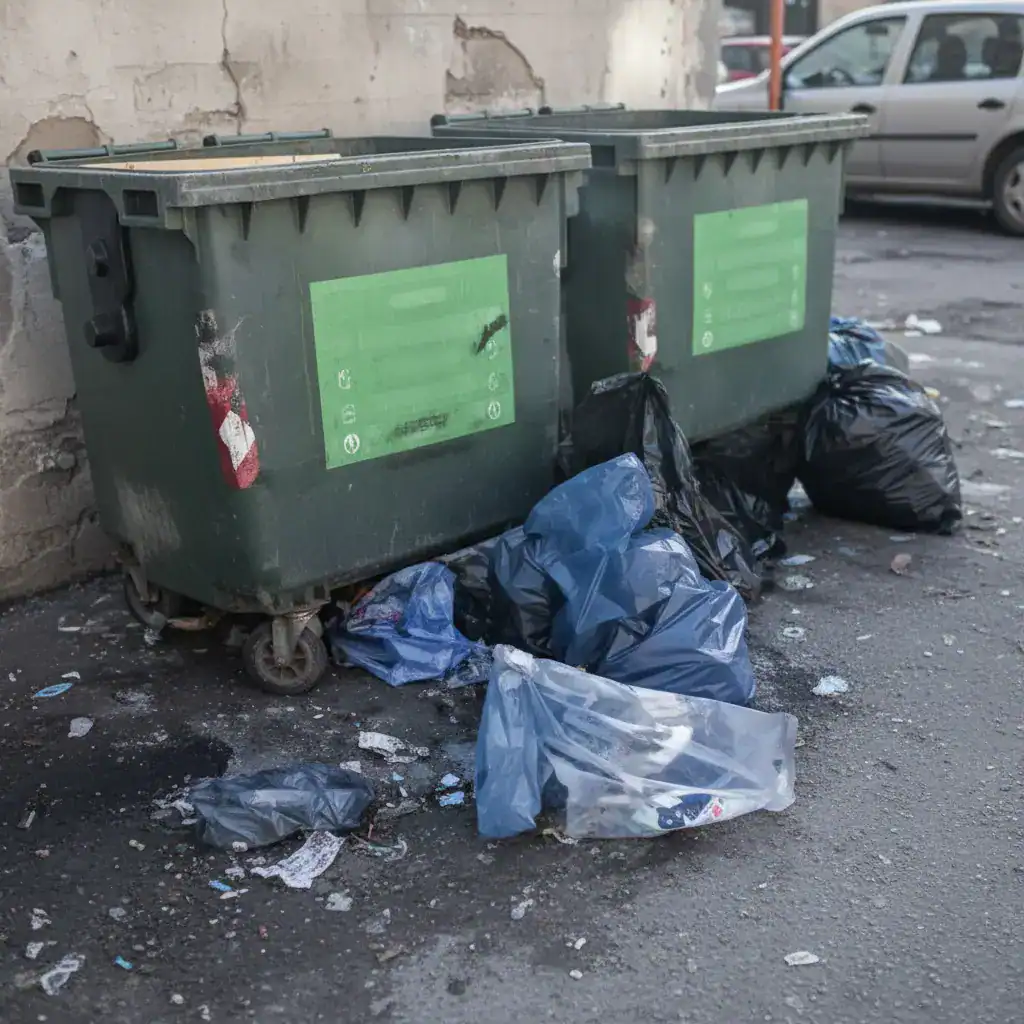
ATHENS. The performance of Corfu’s municipalities in 2026, as revealed by the Ministry of Interior’s assessment, paints a familiar picture of persistent shortcomings. This year’s evaluation, based on a new continuous monitoring mechanism via the digital hub deiktesota.gov.gr, offers a different lens compared to the citizen-opinion-based assessment of 2025. While direct comparisons of rankings are not feasible, the new system provides a clearer, more granular understanding of the challenges faced by the Central, North, and South Corfu Municipalities.
A Shift in Assessment: From Ranking to Detailed Analysis
In 2025, the Ministry of Interior conducted its first nationwide assessment, heavily reliant on citizen feedback. This evaluation placed Corfu’s municipalities in low positions, primarily due to significant deficiencies in infrastructure and road networks. The 2026 approach marks a departure from this one-off ranking. Instead, a continuous monitoring mechanism, utilizing quantitative indicators from administrative data across multiple operational sectors, is now in place. This new system, while not yielding a single overall ranking, offers a more analytical breakdown of performance.
Despite the change in methodology, the general picture for Corfu remains consistent with 2025: all three municipalities exhibit weaknesses in critical areas such as waste management, infrastructure maintenance, and technical capacity. This confirms that the fundamental problems are stubbornly the same, a recurring issue over many years.
Differentiated Challenges Across Corfu’s Municipalities
The new methodology, unlike the previous year’s, allows for internal differentiations to be observed:
- Central Corfu Municipality: Shows relatively better administrative and operational adequacy due to its size and concentration of services. However, it continues to face intense pressure regarding daily issues, especially waste management.
- North Corfu Municipality: Exhibits greater weaknesses in technical services and infrastructure, a challenge linked to its geographical extent and the dispersion of its settlements.
- South Corfu Municipality: Records the lowest overall performance, particularly in social and basic municipal services, positioning it as the weakest point on the island in terms of administrative effectiveness.
The core difference, therefore, is not that Corfu has significantly improved its standing, but that the 2026 assessment shifts from a comparative ‘image score’ to an analytical depiction of operational function. Where in 2025 Corfu’s municipalities simply appeared low on a list, in 2026 it becomes clearer that the problem is multifactorial and varies between the three municipalities. In other words, the overall lag persists, but it is now more specifically substantiated as a result of structural weaknesses in infrastructure, organization, and available resources, something that the new system makes more visible and measurable than in the past.
The Persistence of Problems: A Deeper Dive
The chronic nature of these deficiencies suggests a deeper systemic issue. The lack of adequate infrastructure and technical capacity, consistently highlighted year after year, points to a need for more strategic planning and investment. The challenges in waste management, for instance, are not merely operational but often stem from insufficient long-term strategies and resource allocation.
The Ministry of Interior’s new assessment, by focusing on quantitative data and continuous monitoring, provides municipalities with a more precise diagnostic tool. It allows them to pinpoint specific areas of weakness and, theoretically, develop targeted interventions. However, the effectiveness of this system ultimately depends on the municipalities’ capacity and willingness to act upon these findings.
Looking Ahead: Opportunities for Improvement?
While the current assessment underscores ongoing issues, it also presents an opportunity. With more detailed data at their disposal, Corfu’s municipalities can now formulate more informed strategies for improvement. This might involve:
- Prioritizing investments in critical infrastructure, particularly in areas identified as most deficient.
- Strengthening technical departments and recruiting skilled personnel to address capacity gaps.
- Developing comprehensive, long-term plans for waste management that move beyond reactive measures.
- Collaborating more effectively between the three municipalities to share resources and best practices.
The challenge for Corfu’s local authorities is to translate this analytical insight into tangible progress. The persistent underperformance, despite changes in assessment methodologies, signals a need for fundamental reforms rather than superficial adjustments. The well-being of Corfu’s residents and the island’s long-term development depend on addressing these deep-seated issues with renewed commitment and strategic vision.
The 2026 assessment serves as a critical reminder that while the ‘how’ of evaluation may change, the ‘what’ of the problems often remains the same until proactive and sustained efforts are made to resolve them. The question now is whether the municipalities of Corfu will leverage this detailed feedback to finally break free from their long-standing patterns of underperformance.
Source: https://enimerosi.com/social/105412/xamiles-ptiseis-gia-tous-kerkurakous-dimous-stin-aksiologisi-tou-upourgeiou-esoterikon