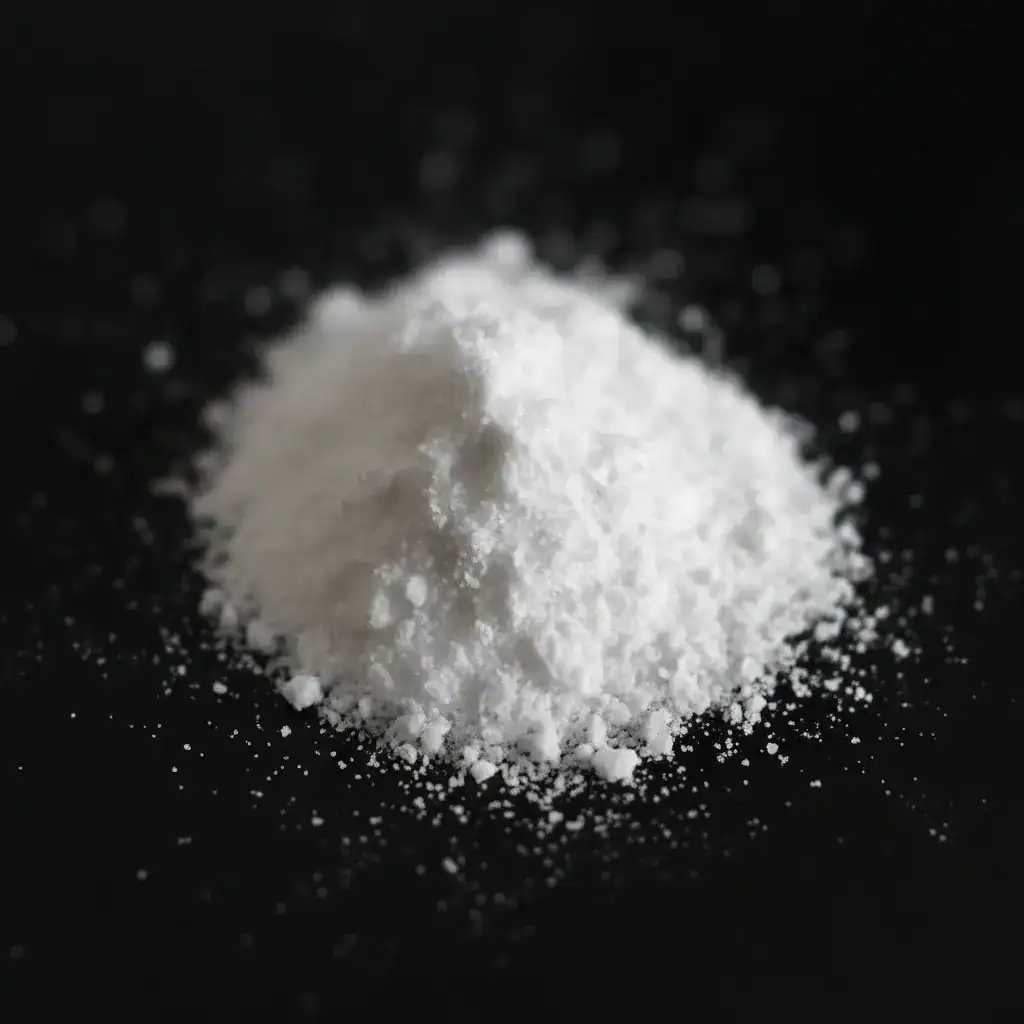
A comprehensive Europe-wide study of sewage runoff has uncovered a dramatic spike in illicit drug consumption across Athens. According to the latest data from 2025, cocaine use in the greater Athens-Piraeus area has surged, with some measurements showing concentrations up to three times higher than those recorded in 2023.
Cocaine Consumption Reaches Historic Levels in Attica
The study, which spanned 115 cities in 25 countries, confirmed that the presence of benzoylecgonine, the main metabolite of cocaine, remains at historically high levels in Attica’s wastewater. This suggests that the upward trend in consumption is not a temporary spike but a sustained shift in local drug-use patterns.
The findings align with a broader report from the European Union Drugs Agency, which shows an across-the-board increase in drug residues in 2025. Alexis Goosdeel, former director of the EMCDDA, described the findings as evidence of a “widespread, diverse, and evolving drug-use phenomenon” that is currently challenging public health systems across the continent.
First-Time Detection of Ketamine and Rise in MDMA
For the first time, researchers at the National and Kapodistrian University of Athens detected residues of ketamine in Greek wastewater. While concentrations of the dissociative anesthetic (often referred to as “Special K”) remain relatively low, experts warn its presence is a significant indicator of emerging recreational trends.
The report also noted a rise in MDMA (ecstasy) during the 2024-2025 period. Consumption peaks were recorded exclusively on weekends, highlighting a direct correlation between the drug’s use and the region’s nightlife and recreational sectors.
This data provides crucial insights into the changing landscape of drug use in Athens, emphasizing the need for adaptive public health strategies to address these evolving challenges.