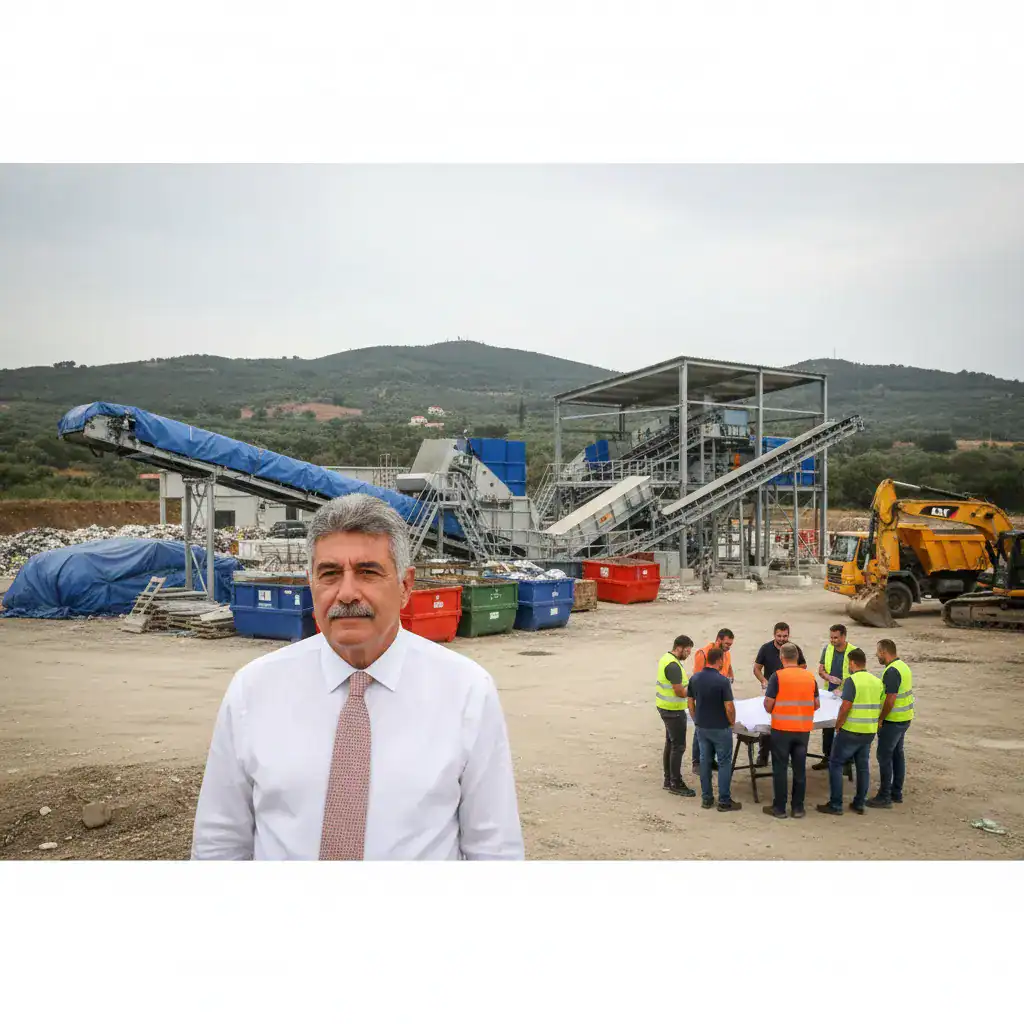
Corfu’s Waste Management Plant: A Political Blame Game?
The ongoing saga surrounding Corfu’s waste management plant has taken a new turn, as former Mayor K. Nikolouzos publicly challenged the narrative put forth by the current administration. His statements, made yesterday evening, come in response to an announcement from the New Democracy Corfu DEEP, which attributed the project’s stagnation to his previous tenure and the SYRIZA government.
Nikolouzos, a prominent figure in Corfu’s political landscape, argues that the tender documents for the waste management plant were ready before the 2019 elections, complete with a substantial 30 million euro funding package. He contends that these documents were subsequently altered during the mayoral term of Meropi Hydraios, leading to significant delays and setbacks for the crucial infrastructure project.
A History of Delays and Accusations
The waste management plant has been a contentious issue on the island for years, with residents and local authorities grappling with the challenges of effective waste disposal. The New Democracy Corfu DEEP’s announcement, which prompted Nikolouzos’s response, stated: ‘During the subsequent period, under the mayorship of Nikolouzos and in the political environment of the SYRIZA government, the project did not proceed. The restart process took place under the mayorship of Meropi Hydraios, within a particularly demanding institutional framework.’
This assertion directly contradicts Nikolouzos’s account, who insists that the project was on track before the change in administration. He implies that the current leadership’s decision to modify existing plans ultimately hampered progress, rather than facilitating it. This raises critical questions about political continuity and accountability in local governance. Was the project truly stalled due to a lack of political will, or were there genuine efforts to improve the project that inadvertently caused delays?
Expert Opinion and Public Scrutiny
The back-and-forth between current and former officials highlights a deeper problem: the politicization of essential public works. Dr. Elena Petrova, a political analyst specializing in local government, comments, ‘Such disputes often obscure the real issues and can erode public trust. When infrastructure projects become pawns in political rivalries, it’s the citizens who ultimately suffer from the delays and inefficiencies.’
The waste management plant is not merely a political talking point; it is a vital necessity for Corfu. The island’s growing tourism industry and increasing population demand a sustainable and efficient waste disposal system. The continued delays not only impact environmental quality but also carry economic consequences, potentially affecting tourism and public health.
The Path Forward: Transparency and Collaboration
To move beyond this political impasse, a greater degree of transparency and collaboration is needed. The public deserves a clear and unbiased account of why the project has faced such prolonged delays. This includes a detailed explanation of the changes made to the tender documents and the rationale behind those decisions. Furthermore, an independent review of the project’s history could help clarify responsibilities and identify best practices for future initiatives.
The situation in Corfu serves as a microcosm of broader challenges in public administration, where long-term planning often falls victim to short-term political gains. Ultimately, the question remains: Can Corfu’s political leaders prioritize the island’s environmental and public health needs over political point-scoring to finally deliver a functioning waste management plant?
The residents of Corfu await answers, and more importantly, concrete action.