The bag was unremarkable. Plastic, slightly worn, resting against the weathered stone wall of the Corfu Detention Center. Inside: ten chess sets. Sixty-four squares multiplied by ten. Six hundred and forty small battlefields where kings could fall and pawns could become queens.
But this wasn’t just about chess. It never was.
The Fourth Year
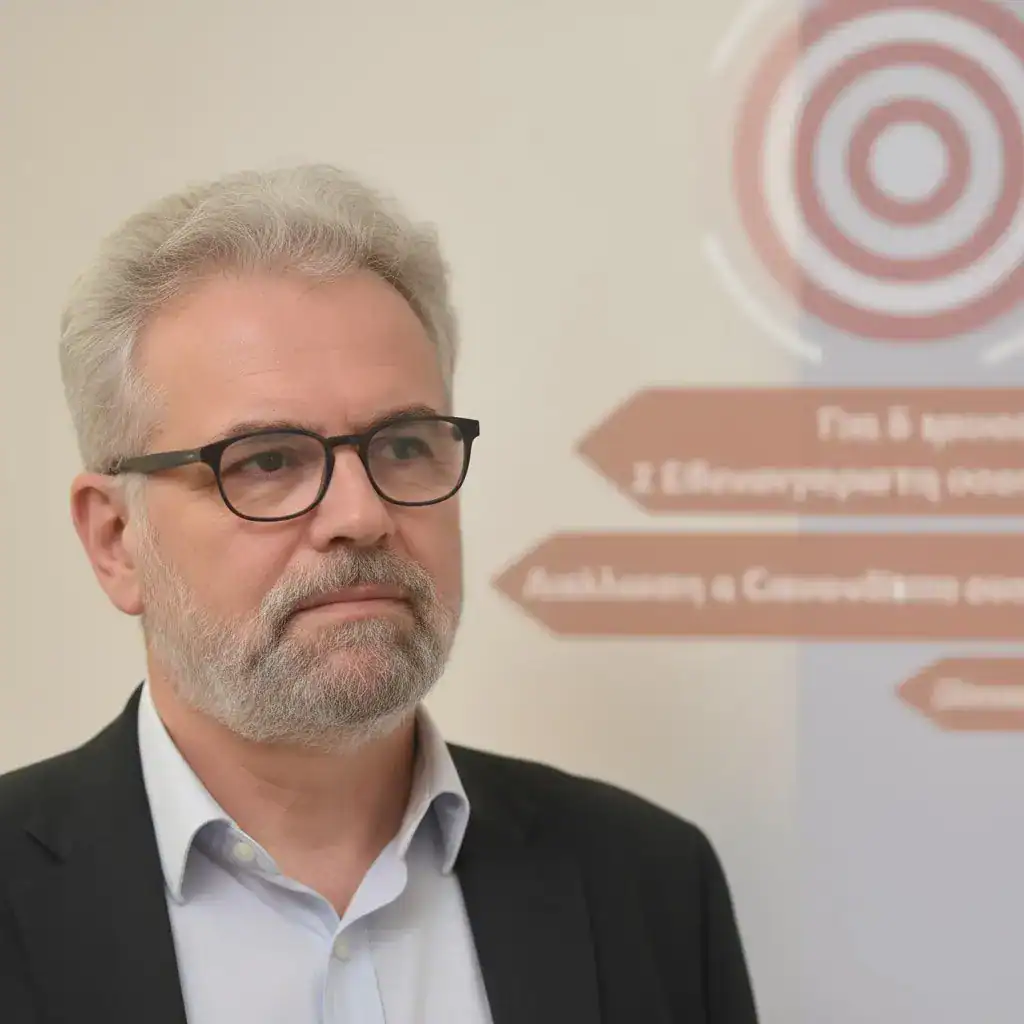
Manos Nathanail arrived at the prison gates early on the morning of November 3rd, 2025. He’s the president of the Corfu Chess Players Association, a man who has spent the last four years teaching inmates the ancient game. The bag he carried was a donation from the “Friends of Corfu Prison School Association”-people who believe that rehabilitation happens one move at a time.
“They asked for more sets,” Manos said, adjusting his glasses as he waited for the prison staff to collect the donation. “The inmates wanted to play in their cells, during the long hours when there are no lessons. That’s when I knew the program was working.”
The chess sets would be distributed to the wings and cells-a request that came directly from the prisoners themselves. This wasn’t charity being imposed from outside. This was need, expressed from within.
More Than a Game
Inside the prison, the atmosphere shifts when chess is mentioned. Guards speak of it with quiet respect. Inmates light up. For many, chess has become a language-a way to communicate when words fail, a way to compete without violence, a way to think beyond the walls.
“In the beginning, some of them didn’t even know how the pieces moved,” recalled one volunteer instructor who has been part of the program since its inception in 2022. “Now we have tournaments. We have players who study openings, who memorize endgames. One inmate told me: ‘This is the first time in my life I’ve felt smart.'”
The program runs classes for both beginners and advanced players. Some inmates have never touched a chess piece before arriving at Corfu Prison. Others played as children and are rediscovering a forgotten passion. The classes happen weekly, but the real transformation occurs in between-in the cells, during recreation time, in the quiet moments when a man sits alone with a board and realizes he can still plan, still strategize, still hope.
A History of Giving
This isn’t the first time the Friends of Corfu Prison School Association has donated chess equipment. Previous sets were delivered and quickly absorbed into the daily life of the prison. Pieces were lost, boards were worn down by constant use. The request for new sets was inevitable-and welcome.
“When they ask for more, it means they’re using what we gave them,” said a representative from the Friends Association. “It means the program matters.”
The association was formed by local volunteers who believe that education and culture shouldn’t stop at the prison gate. They organize book donations, sponsor educational workshops, and support programs like the chess initiative. Their work is quiet, unglamorous, essential.
The Moment of Delivery
When the bag was finally brought inside, a small group of inmates gathered in the common area. Manos Nathanail was there to greet them, along with the volunteer instructors. The men-ranging in age from their twenties to their sixties-handled the new chess sets with care, almost reverence.
One inmate, a man in his forties with graying hair and calloused hands, opened a box and set up the pieces on a table. He moved a pawn forward two squares. E4. The classic opening.
“I’ve been waiting for this,” he said quietly. “Now I can practice every day.”
Another inmate, younger, with a nervous energy, asked if there would be a tournament soon. Manos smiled. “Next month. Be ready.”
The enthusiasm was palpable. These were men who had made mistakes, who were paying for those mistakes, but who still wanted to learn, to grow, to be more than their worst moments.
Why Chess?
Why does chess work in a prison environment? The answer is complex, layered-much like the game itself.
Chess teaches patience. It rewards planning. It punishes impulsivity. It offers a level playing field where your past doesn’t matter, only your next move. In a place where men often feel powerless, chess gives back a sense of control.
“It’s also about respect,” explained Manos. “When you sit down across from someone at a chessboard, you’re equals. It doesn’t matter what you did to get here. It doesn’t matter if you’re serving two years or twenty. On the board, you’re just two players.”
The psychological benefits are well-documented. Studies have shown that chess can improve cognitive function, reduce aggression, and increase self-esteem. For inmates, it can also provide a constructive way to pass time-time that might otherwise be spent in boredom, frustration, or despair.
The Real Victory
Later that day, after the lessons had begun and the new sets were in use, Manos stood outside the prison gates. The November sun was weak, the air cool. Corfu’s old town spread out below, a maze of narrow streets and ancient fortifications.
“People ask me why I do this,” he said. “They say, ‘These are criminals. Why should we care if they play chess?’ But I tell them: these are human beings. And if we can help them become better human beings, isn’t that what rehabilitation is supposed to be about?”
He paused, looking back at the prison walls.
“Besides, when they get out-and most of them will get out-don’t we want them to have learned something? Don’t we want them to know how to think, how to plan, how to make better decisions?”
The bag that arrived that morning was empty now. But the prison was fuller-fuller of possibility, of hope, of the quiet click of wooden pieces on cardboard squares.
The Next Move
The Corfu Chess Players Association plans to continue the program indefinitely. They’re seeking additional funding to expand it, to bring in more instructors, to organize inter-prison tournaments. The dream is to create a network of chess programs across Greek prisons, sharing resources and best practices.
For now, though, the focus is on Corfu. On the ten new chess sets. On the inmates who will use them to escape, if only for an hour, the reality of their confinement.
As one inmate put it, setting up the pieces for his first game with a new set: “In here, you don’t get many chances to start fresh. But every chess game is a new beginning. And that’s something.”
The game began. The pieces moved. And for sixty-four squares, the world was fair.
Source: Corfu Stories, interviews with Manos Nathanail (President of Corfu Chess Players Association) and prison program participants