The upcoming tourist season, a cornerstone of the local economy for businesses, employees, and professionals in South Corfu, necessitates a thorough examination of the municipal authority’s readiness and overall planning. While tourism development is often measured by visitor arrivals, it is intrinsically linked to the quality of services, the municipality’s image, safety, cleanliness, infrastructure functionality, and the sustainable management of natural and cultural resources. With only a few months remaining until the peak of tourist activity, critical questions arise regarding the municipality’s strategic approach.
Operational Planning and Infrastructure: Is South Corfu Ready?
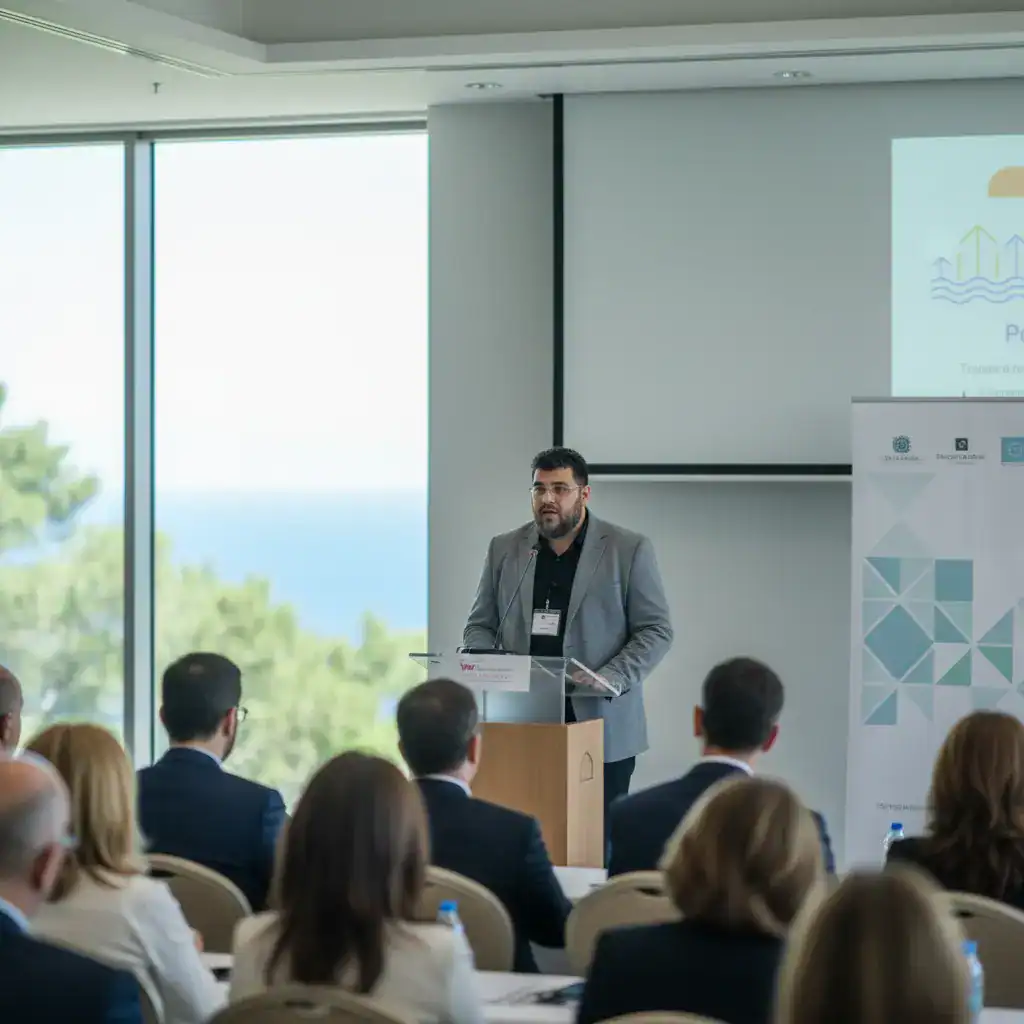
Councillor Alexandros Alexakis, head of the “New Beginning” faction, addressed the South Corfu Municipal Council, posing a series of pertinent questions. His inquiry focused on the operational plan for the tourist season, specifically asking about the updated action plan for each service, including sanitation, street lighting, water supply and sewerage, technical services, and civil protection. This highlights a fundamental concern: is there a coherent, cross-departmental strategy in place, or are efforts fragmented?
The state of basic infrastructure is another pressing issue. Alexakis questioned the planned or already implemented interventions in areas such as road network maintenance and restoration, cleaning of public spaces and beaches (including lifeguard provisions), inspection and maintenance of playgrounds and municipal facilities, adequacy of lighting in tourist and coastal zones, and the efficiency of water supply and sewerage systems. These are not merely logistical details; they are fundamental elements that shape the visitor experience and, by extension, the local economy.
Waste Management and Safety: Addressing Peak Season Demands
The management of waste during peak season is a recurring challenge for many tourist destinations. Alexakis sought clarity on the municipality’s plan, inquiring about the sufficiency of personnel and equipment, and whether provisions have been made for increased routes and waste bins in high-traffic areas. Inadequate waste management can severely tarnish a destination’s image and pose environmental and public health risks.
Furthermore, safety and civil protection measures are paramount. The councillor asked about updated plans for fire protection, emergency management, and health coverage. Given the potential for unforeseen events and the increased population during the tourist season, a robust safety framework is non-negotiable.
Promotion, Collaboration, and Quality of Life for Residents
Beyond operational readiness, effective promotion and collaboration are vital. Alexakis questioned the planned actions for tourism promotion, including participation in exhibitions, collaborations, or digital campaigns. He also sought an evaluation of the previous year’s results, emphasizing the importance of learning from past experiences to refine future strategies.
Collaboration with local stakeholders, such as professional associations, chambers, and hotel and catering associations, is crucial for a unified approach to tourism. The councillor asked about coordination meetings and the existence of a common framework for action, underscoring the need for synergy between the municipal authority and the private sector.
Finally, a critical, often overlooked aspect is the quality of life for permanent residents during the peak season. Alexakis raised concerns about how issues such as water supply, waste, parking, traffic congestion, and noise pollution will be addressed. Sustainable tourism development must balance economic benefits with the well-being of the local community.
The Urgency of Transparent Planning
The new tourist season demands proactive organization, coordinated services, and transparent planning. Citizens and local professionals are entitled to clear answers, timelines, and concrete commitments. Alexakis’s intervention serves as a vital call for accountability, urging the municipal authority to provide detailed information on actions taken, future planning, and any identified problems or shortcomings that require immediate attention.
Tourism development is a collective endeavor, and ensuring that South Corfu rises to the occasion requires a strategic vision that extends beyond immediate concerns. The questions posed by Councillor Alexakis are not merely rhetorical; they are a blueprint for a more resilient and sustainable future for tourism in the region.