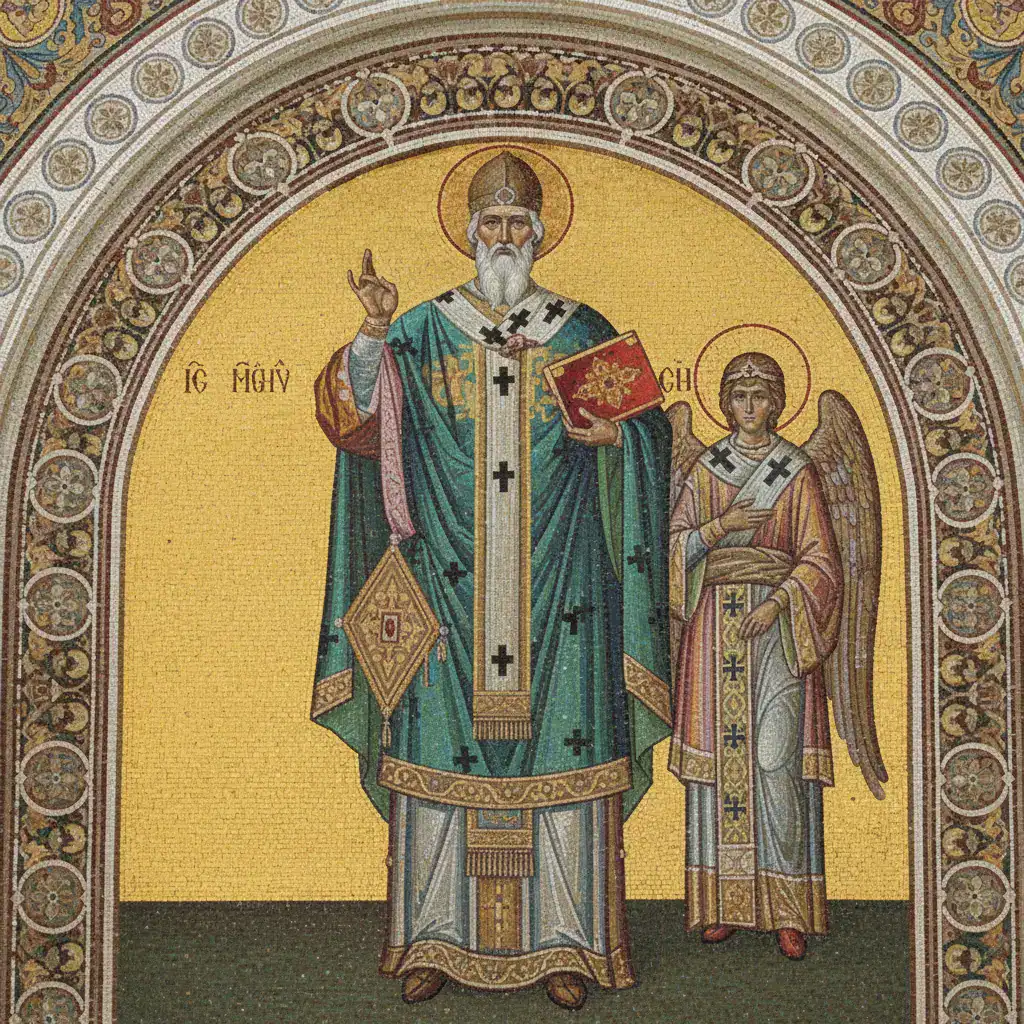
The air in Corfu today, December 9, 2025, is filled with a sense of reverence and gratitude, as islanders commemorate a pivotal moment in their history. Approximately 300 years ago, their patron saint, Saint Spyridon, is said to have miraculously delivered the island from a formidable Ottoman siege. It is a story woven into the very fabric of Corfiot identity, a testament to unwavering faith and divine intervention.
The Shadow of the Crescent Moon: A Siege Foretold
The year was 1715 AD. The Ottoman Empire, under the command of Kapudan Pasha Hodja, had swept through the Peloponnese and now set its sights on the Ionian Islands, then under Venetian rule. Corfu, strategically vital, was the first target. The stage was set for a brutal confrontation that would test the resolve of its inhabitants.
On the morning of June 24, 1716, the Ottoman army, led by a ruthless general, launched a two-pronged assault, besieging the city by both land and sea. For fifty agonizing days, blood flowed freely on both sides. The Greek and Venetian defenders fought with desperate courage, determined to protect their home. Within the sacred walls of Saint Spyridon’s church, women, children, the elderly, and those unable to bear arms knelt in fervent prayer, their hushed pleas rising to their patron saint, imploring his intercession.
A City on the Brink: Hope Amidst Despair
As the fifty days drew to a close, the enemy prepared for a final, ferocious assault. They sought a weak point, a ‘Kerkoporta’ – a secret gate – just as their ancestors had found one to conquer Constantinople, offering tempting promises for betrayal. The following morning, an Agarene herald issued a chilling ultimatum: surrender and live, or face dire consequences.
Hours stretched into an eternity. Fear and anxiety gripped every soul. The Agarenes boasted of a decisive blow, but the defenders, bolstered by their own prayers and those of their loved ones, stood firm. The initial assault was repelled, though at a heavy cost of lives. Corfu endured a period of immense suffering, yet amidst the sorrow, hope endured. As Romans 5:3-5 states, “suffering produces perseverance; perseverance, character; and character, hope. And hope does not put us to shame.” The people of Corfu clung to this hope, believing their vigilant guardian, Saint Spyridon, would not abandon them.
The Storm and the Miracle: Divine Intervention
In the church, the prayers of the unarmed populace continued, ceaseless and fervent. Then came August 10. From morning, an unusual phenomenon for the season began to unfold: the sky grew heavy with thick, black clouds, signaling an imminent, terrifying storm. Before noon, a torrential, cataclysmic rain began to fall, turning day into night. The downpour continued relentlessly, preventing any offensive maneuvers that day. The night passed in an uneasy quiet.
In the early hours of August 11, something astonishing occurred. A Greek patrol, on a reconnaissance mission to ascertain the enemy’s next point of attack, discovered the Turkish trenches filled with rainwater, many Ottoman soldiers drowned within them. A deathly silence pervaded the scene. As dawn broke, the golden rays of the sun greeted the sleepless city. The enemy’s war cries were silent. Where were they? Were they sleeping?
Yet, as the saying goes, hope in God “does not put us to shame.” Indeed, it never shames those who possess it. For throughout the night, the miraculous defender of the island, Saint Spyridon of Cyprus, accompanied by a heavenly army, had fiercely struck the Agarenes, scattering and dispersing them. This was the confession of the Agarenes themselves as they fled that morning, “without anyone pursuing them.” Piles of bodies lay on the beach. The remnants of the Turkish army, crammed onto the few remaining ships, retreated in shame towards Constantinople. Truly, “mercy shall surround him who hopes in the Lord.” And “this is the victory that has overcome the world-our faith” (1 John 5:4).
A Legacy of Gratitude: Corfu Remembers
Corfu rejoiced. The faithful gathered in the saint’s church, glorifying God and chanting with powerful voices: “Glory to Christ who glorified you… glory to Him who acts through you… Yes! Glory to Almighty Christ, who glorified you. Glory also to you, Saint, who through His grace perform so many miracles.”
The unexpected salvation of the island from the Turkish campaign compelled even the Venetian aristocracy to acknowledge Saint Spyridon as the liberator of Corfu. As an expression of gratitude, they offered a silver candelabrum to the church and decreed that the oil required annually for its illumination would be provided by the state. Furthermore, a Venetian decree established August 11 as the feast day of the saint and the day for the procession of his sacred relics.
Today, as the island remembers this extraordinary event, the story of Saint Spyridon’s intervention serves as a powerful reminder of faith’s enduring strength and the miraculous turns of history that shape a people’s destiny.