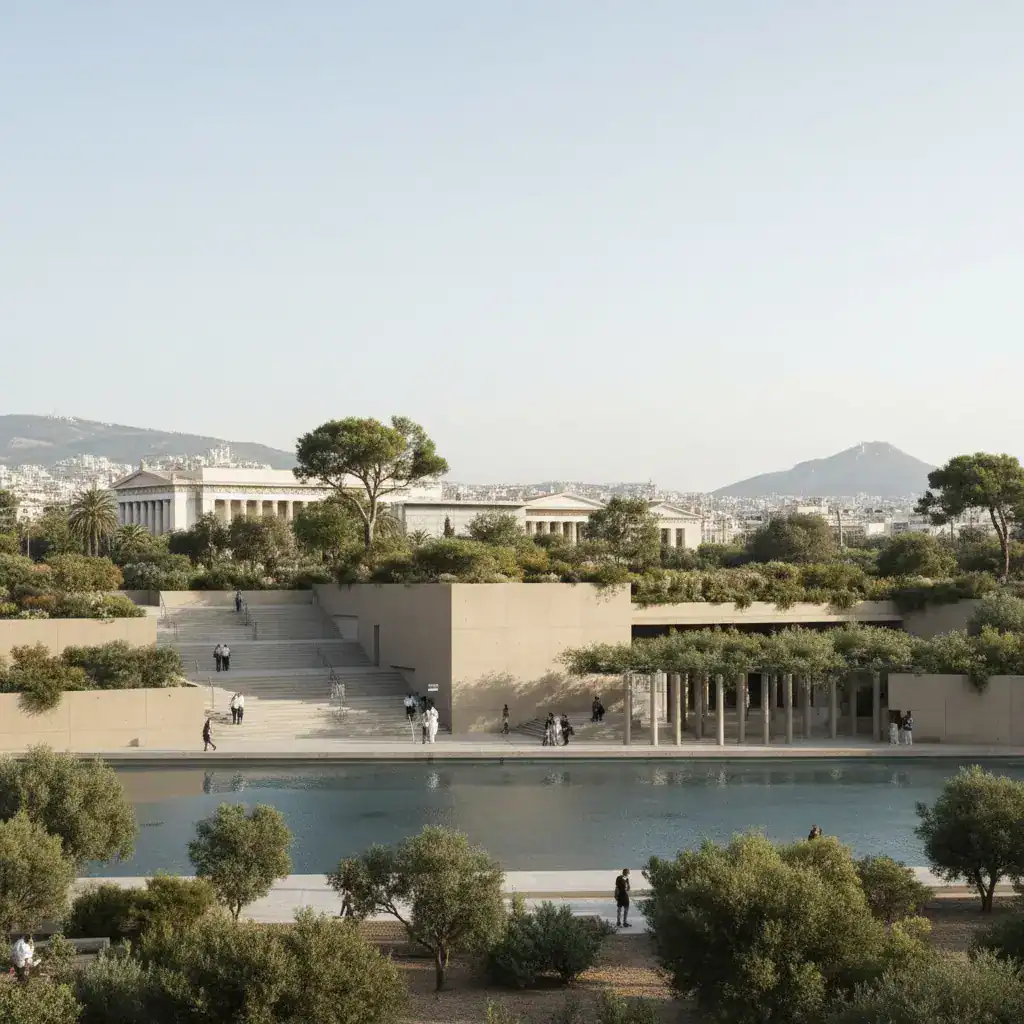
Athens, May 11, 2026 – The National Archaeological Museum (EAM) in Athens is set for a major expansion and modernization, a move expected to significantly enhance its infrastructure and bolster Greece’s historical tourism sector. The Special Urban Development Plan (EPS) for the museum has received approval from the Central Council of New Monuments without objections, paving the way for its implementation.
Strategic Urban Development Plan to Enhance Attractiveness
The EPS is meticulously designed to create optimal conditions for the expansion and spatial restructuring of the museum’s surroundings. This strategic approach is anticipated to improve the facility’s overall attractiveness as a key point of interest for tourists. The plan aims to ensure that the National Archaeological Museum maintains its prominent position among the primary cultural institutions promoting cultural tourism in Athens.
Sustainable Integration with Athens’ Urban Landscape
A crucial aspect of the EPS is its commitment to sustainably integrate the new museum structure into Athens’ existing urban fabric. As Athens continues to be a leading European destination for historical tourism, these new urban planning measures are designed to align the museum’s expansion with the city’s dynamic urban growth while profoundly respecting its rich cultural heritage.
The implementation of the Strategic Environmental Impacts Study (SME) within the EPS underscores a commitment to environmental protection and the preservation of the historic integrity of the surrounding areas. This sustainable approach not only safeguards Athens’ history but also enhances its promotion, making the museum more accessible and relevant to the increasing number of history-focused travelers globally.
Minister Lina Mendoni’s Vision for Greece’s Historical Tourism
Minister of Culture Lina Mendoni has emphasized the EPS as a vital step in the broader objective of preserving Greece’s rich cultural heritage. She articulated that the expansion project will enable the National Archaeological Museum to broaden its role in global historical tourism. The project is tailored to ensure the museum remains an essential cultural hub, drawing tourists keen on exploring Greece’s ancient history and archaeological treasures.
Mendoni highlighted that integrating the new development into Athens’ urban structure will also showcase the city’s unique ability to blend modern needs with ancient culture, a critical element in promoting historical tourism. By maintaining a delicate balance between cultural preservation and tourism development, the project ensures Athens will continue to be an influential force in global tourism, particularly for those with a deep interest in history and culture.
Enhancing Greece’s Global Role in Historical Tourism
As Greece consistently attracts millions of international visitors, the expansion of the National Archaeological Museum is poised to play a pivotal role in supporting the growth of historical tourism. Greece is already recognized as one of the world’s most visited destinations for historical and archaeological tourism, with millions annually visiting iconic landmarks such as the Acropolis and the National Archaeological Museum.
With the planned improvements, the museum is expected to become an even greater draw for travelers seeking authentic cultural experiences and historical immersion. Through expanding the museum’s capacity and enhancing its offerings, the Greek government is solidifying its commitment to improving the visitor experience and strengthening its position as a leading global historical tourism destination.
The Future of Historical Tourism in Greece
The implementation of the Special Urban Development Plan (EPS) marks a significant turning point for historical tourism in Greece. By upgrading and expanding its most important cultural institutions, Greece is fostering the growth of cultural tourism, which contributes significantly to the nation’s economy. The National Archaeological Museum’s expansion will contribute to this growth, attracting even more visitors eager to explore the vast history of Ancient Greece and experience its rich legacy.
By creating a more immersive and accessible cultural experience, the project will make the museum a more attractive destination for tourists interested in history and heritage. With Greece’s commitment to sustainability and cultural preservation, the expansion of the National Archaeological Museum will ensure that historical tourism continues to be a major contributor to the country’s economy and tourism growth for years to come.
A Step Forward for Historical Tourism in Athens
As the implementation of the Special Urban Development Plan (EPS) progresses, it will open a new chapter in Athens’ tourism history. The enlargement of the National Archaeological Museum is a crucial driver of tourism development in Greece, solidifying the city’s status as a top destination for history enthusiasts. The project’s execution will contribute to the sustainable development of the tourism industry, positioning Greece as a world leader in historical tourism.
Source: travelandtourworld.com