Corfu, November 3 – PASOK-Movement for Change Secretary and Corfu MP Dimitris Biagkis has filed an urgent parliamentary question to the Minister of Environment and Energy regarding the management of animal remains from the Gongakis facility, which was devastated by a catastrophic fire on October 17.
Three Weeks of Toxic Exposure
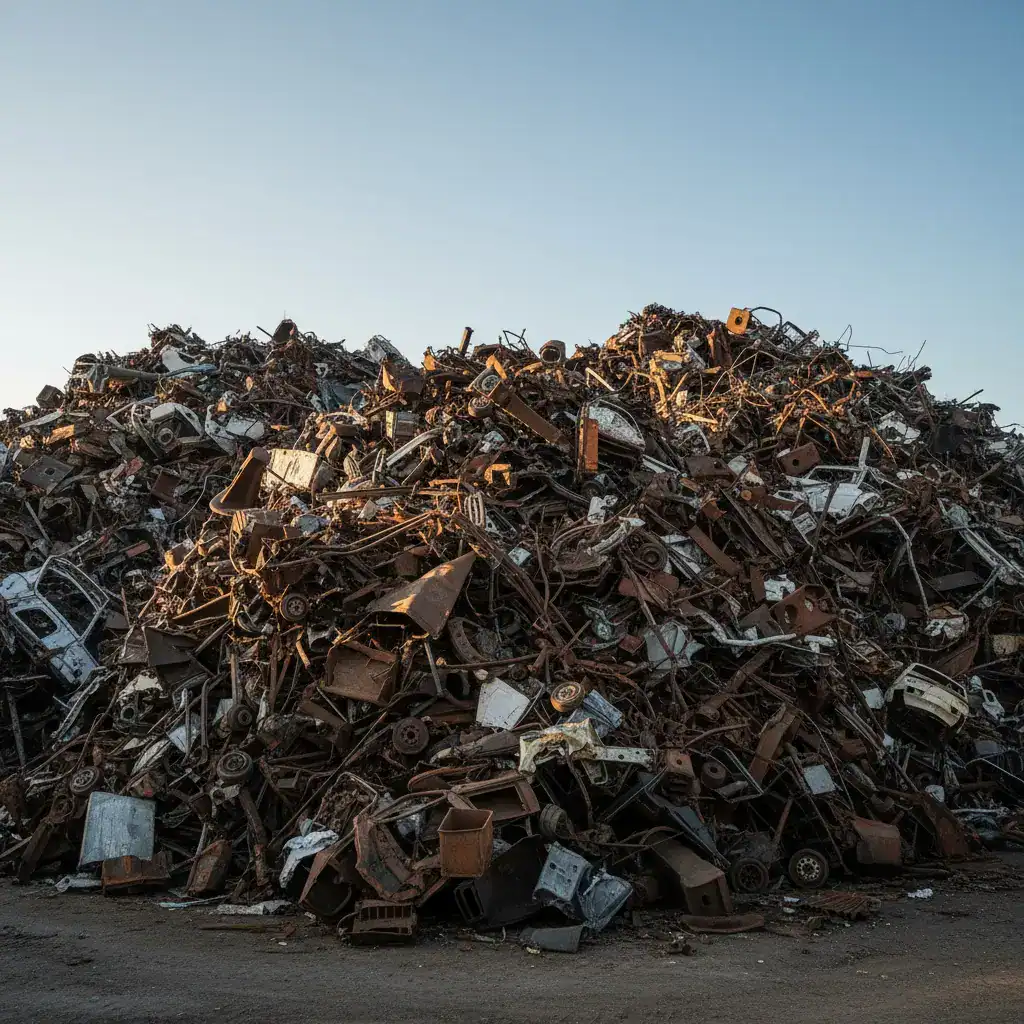
As the third week draws to a close, enormous quantities of decomposing animal remains remain exposed to sun and moisture, alongside burnt plastics and other hazardous residues from the fire containing toxic and carcinogenic substances. According to Biagkis, the government, through the Ministry of Environment and Energy, continues to operate from a distance without awareness of the severity of the situation and the dangers posed to the region and all of Corfu.
“While we are in the third week with massive quantities of animal remains in decomposition, exposed to the sun and humidity, as well as burnt plastics and other dangerous residues from the fire which contain toxic and carcinogenic substances, the state through the competent Ministry of Environment and Energy continues to function from afar, without awareness of the seriousness of the situation and the risks they pose to the area and the entire island of Corfu,” Biagkis stated in his parliamentary question.
Criticism of Government Response
The MP sharply criticized what he described as delayed decisions by the government, amateurism, conflicts of interest, absent initiatives, and absurdities. He expressed particular concern about the prospect that final removal of the remains – if and when decided – would take place within a 20-day timeframe.
“The delayed decisions of the executive state from a distance, the unprecedented amateurism and games of interests, the non-existent initiatives and absurdities, as well as the prospect of the final removal of the remains (if and when decided) within a time horizon of 20 days, raise serious responsibilities both at central and local level,” Biagkis said.
Call for Local Coordination Rejected
According to the MP, he requested an immediate meeting of local authorities on the island to demonstrate the seriousness of the issue through joint decisions and positions, pressing the situation as necessary and even declaring the prefecture in a state of emergency to safeguard public health and demonstrate the gravity of the problem.
“I requested an immediate meeting of the local bodies of the island in order to demonstrate the seriousness of the issue with common decisions and positions, pressing the situation as we should, even declaring our prefecture in a state of emergency to ensure public health and demonstrate the seriousness of the problem. I was not heard, although we received promises, not even now, when it is already late,” he stated.
Fire Background and Current Situation
The catastrophic fire at the Gongakis facility occurred on October 17, 2025. The facility, which handled animal by-products, was severely damaged in the blaze. Since then, large quantities of animal remains have been left in the open, decomposing under environmental exposure.
The burnt materials include plastics and other substances that, when combusted, release toxic and potentially carcinogenic compounds. The combination of decomposing organic matter and chemical residues from the fire has created what local officials describe as a significant public health hazard.
Public Health Concerns Mount
The prolonged exposure of decomposing animal remains poses multiple health risks to the local population. Decomposing organic matter can attract disease-carrying pests, contaminate groundwater, and release harmful gases into the atmosphere. The burnt plastics add an additional layer of concern due to the release of dioxins and other persistent organic pollutants.
Environmental and health experts have expressed concern about the potential long-term impacts on the local ecosystem and human health if the situation is not addressed promptly and comprehensively.
Timeline Concerns and Government Inaction
Biagkis emphasized that even if authorities decide to act, the proposed 20-day timeline for complete removal of the hazardous materials is unacceptably long given the immediate health risks. He suggested that the delay reflects a lack of urgency and understanding of the crisis at the ministerial level.
The MP warned that without immediate action, residents may witness “even more unpleasant situations.” He expressed hope that developments would prove his concerns unfounded but stressed the need for immediate intervention.
“We hope that developments will prove us wrong and that we will not become witnesses to even more unpleasant situations,” he said.
Responsibilities at Multiple Levels
In his parliamentary question, Biagkis pointed to failures at both central government and local administration levels. He suggested that the handling of the crisis reveals systemic problems in Greece’s emergency response mechanisms and coordination between different levels of government.
The case highlights ongoing debates in Greece about the effectiveness of centralized decision-making in environmental emergencies and the need for greater local autonomy in crisis management.
Parliamentary Question Filed
The full text of the urgent parliamentary question has been published on Biagkis’s official blog. The document formally requests the Minister of Environment and Energy to provide detailed answers about the government’s plans for managing the crisis, the timeline for removal of hazardous materials, and measures to protect public health.
The parliamentary question is expected to be addressed during upcoming sessions of the Hellenic Parliament. The Ministry of Environment and Energy has not yet issued a public response to Biagkis’s demands.
Local Impact and Community Response
The crisis has generated significant concern among Corfu residents, particularly those living near the affected facility. Local media reports indicate growing frustration with what is perceived as governmental inaction and inadequate communication about health risks and remediation plans.
Corfu, a major tourist destination in Greece’s Ionian Islands, depends heavily on its reputation for natural beauty and environmental quality. Extended environmental crises could potentially impact the island’s tourism industry, which represents a significant portion of the local economy.
Broader Environmental Management Questions
The incident raises broader questions about the regulation and oversight of facilities handling animal by-products in Greece. It also highlights challenges in emergency preparedness and response when industrial accidents create complex environmental hazards requiring specialized handling.
Environmental advocacy groups have called for comprehensive reviews of safety protocols at similar facilities across Greece to prevent future incidents of this nature.
As of November 3, 2025, the situation remains unresolved, with decomposing animal remains and toxic residues still present at the site three weeks after the initial fire. The Ministry of Environment and Energy has not announced a definitive timeline or comprehensive plan for addressing the crisis.
Source: https://corfutvnews.gr/d-mpiagkis-na-kirychthei-se-katastasi-ektaktis-anagkis-o-nomos-tis-kerkyras/