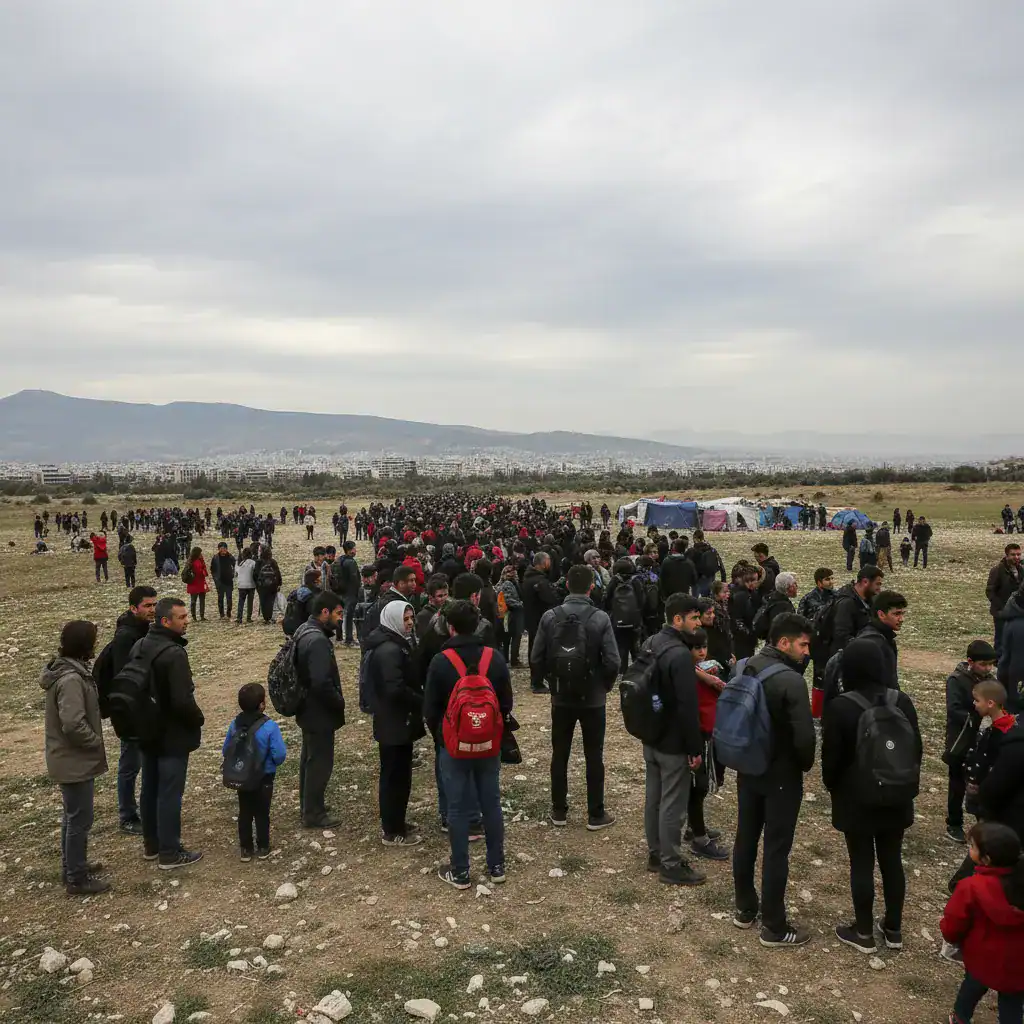
Athens on Alert: Potential Refugee Influx from Middle East
Athens is facing growing apprehension regarding a potential large-scale refugee and migrant wave originating from the Middle East, particularly in light of the protracted conflict in Iran. This concern is amplified by the possibility of prolonged warfare and internal strife within Iran, which could significantly increase the number of displaced persons seeking refuge.
Factors Contributing to the Migratory Threat
The current economic crisis plaguing the region, coupled with interventions in other countries such as Lebanon and the potential activation of Kurdish forces by Washington, are all factors that could exacerbate the migratory flow. Experts believe that if the conflict persists, a substantial increase in arrivals to Greece is inevitable.
Beyond the humanitarian challenge, Athens is also on high alert for potential terrorist activities within Europe, including Greece. While not publicly acknowledged, security measures across the country have been significantly reinforced to counter this threat. The implications of the ongoing conflict are just beginning to unfold, signaling a period of heightened vigilance and preparedness for the Greek capital.
Regional Instability and its Wider Impact
The situation in the Middle East remains volatile, with various interconnected conflicts and political maneuvers creating a complex web of instability. The potential for a large-scale migratory movement is not merely a regional issue but one with far-reaching consequences for the entire European continent. Greece, situated at the crossroads of Europe and the Middle East, is particularly vulnerable to these geopolitical shifts.
The Greek government, in collaboration with European partners, is reportedly engaging in intensive discussions and contingency planning to address both the humanitarian and security aspects of this evolving crisis. The focus remains on managing potential influxes, ensuring border security, and mitigating any associated risks.
Economic and Social Repercussions
A significant increase in refugee and migrant arrivals would undoubtedly place immense strain on Greece’s resources, particularly its social services, housing, and integration programs. The economic impact, already fragile from previous crises, could face further challenges. Local authorities are preparing for various scenarios, aiming to provide adequate support and infrastructure for potential arrivals.
The long-term social integration of new populations also presents a complex challenge, requiring careful planning and resource allocation. Lessons learned from previous migratory waves are being reviewed to develop more effective and sustainable approaches. The situation underscores the interconnectedness of global events and their profound impact on individual nations and their citizens.
International Cooperation and Future Outlook
Addressing this multifaceted crisis will require robust international cooperation, both within the European Union and with countries in the Middle East. Diplomatic efforts to de-escalate conflicts and foster stability in the region are crucial to alleviating the root causes of forced migration. Furthermore, shared responsibility among EU member states in managing refugee flows will be essential to prevent any single nation from being overwhelmed.
The coming months are expected to be critical as the situation in the Middle East continues to evolve. Athens remains committed to upholding humanitarian principles while safeguarding its national security interests. The global community watches closely, recognizing the potential for this crisis to reshape geopolitical landscapes and challenge existing international frameworks.
Source: https://www.dnews.gr/eidhseis/pliroforiodotis/575943/to-metanasteftiko-tromazei-tin-athina