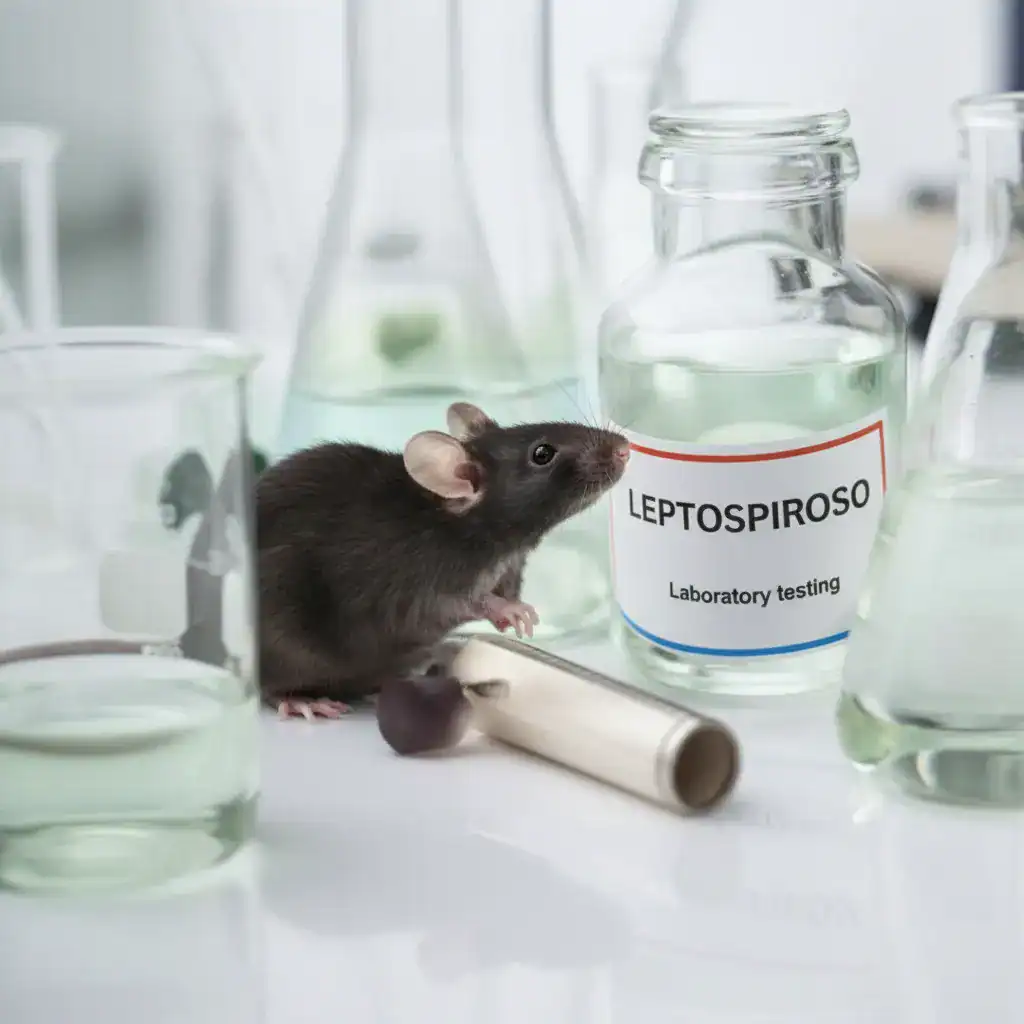
Corfu, April 19 – A decade-long retrospective study conducted at the General Hospital of Corfu, in collaboration with Aristotle University of Thessaloniki and EODY, has shed light on the persistent presence and high mortality rate of leptospirosis on the island. The study, covering the period from 2015 to 2025, identified eleven confirmed cases of the infection, which is primarily transmitted to humans through contact with the urine of infected rodents, either directly or via contaminated water and soil.
High Mortality Rate and Professional Exposure
All eleven confirmed cases involved men, with a median age of 58 years. All infections were linked to local exposure, with the overwhelming majority associated with professional activities in rural environments, primarily agricultural work. Isolated cases included a hunter and an individual exposed during the cleaning of a storage area. No cases were recorded in urban or tourist settings, reinforcing the role of contact with natural ecosystems where rodents are prevalent.
The mortality rate among the confirmed cases was 27.3%, with three fatalities, a figure significantly higher than the average European index. Fatal cases primarily involved older patients and were linked to delays in seeking hospitalization and severe organ damage upon admission. Laboratory findings in patients with adverse outcomes included severe renal impairment and severe thrombocytopenia, indicating extensive systemic involvement.
Environmental Factors and Clinical Manifestations
Corfu’s environmental conditions, characterized by increased humidity, high rainfall, and the presence of stagnant water, facilitate the survival of the pathogen in the environment and increase the likelihood of human exposure. Rodents serve as the primary reservoir for the microorganism, excreting the bacteria in their urine, which can contaminate water, mud, and surfaces that humans come into contact with.
Clinically, patients presented with acute infection symptoms, including generalized malaise, fever, and jaundice, which was recorded in all cases. In several instances, multiple organs were affected. Renal dysfunction was common, progressing to severe acute renal failure in some patients. Three patients developed acute respiratory distress and required intensive care unit (ICU) admission. A total of five individuals were admitted to the ICU.
Increased Severity and Future Implications
Despite a reduction in overall incidence compared to previous decades, the disease continues to appear steadily in the region. In recent years of the study period, an increase in severe cases was observed, with most cases and all deaths occurring after 2023. Diagnostic approaches relied on a combination of serological and molecular tests, with IgM antibody detection in all patients and PCR confirmation in a significant proportion of the most recent cases.
According to the researchers, leptospirosis remains a significant occupational and seasonal risk in rural Corfu. Despite the reported decrease in overall incidence, the high case fatality rate (CFR) underscores the urgent need for interventions to mitigate the disease burden. Such efforts should focus on strengthening early diagnostic detection, implementing targeted occupational protection for high-risk groups, and enhancing epidemiological surveillance. These actions are particularly crucial in the context of ongoing climate change, which is expected to increase the frequency of extreme weather events and floods, thereby increasing the regional risk for leptospirosis epidemics.