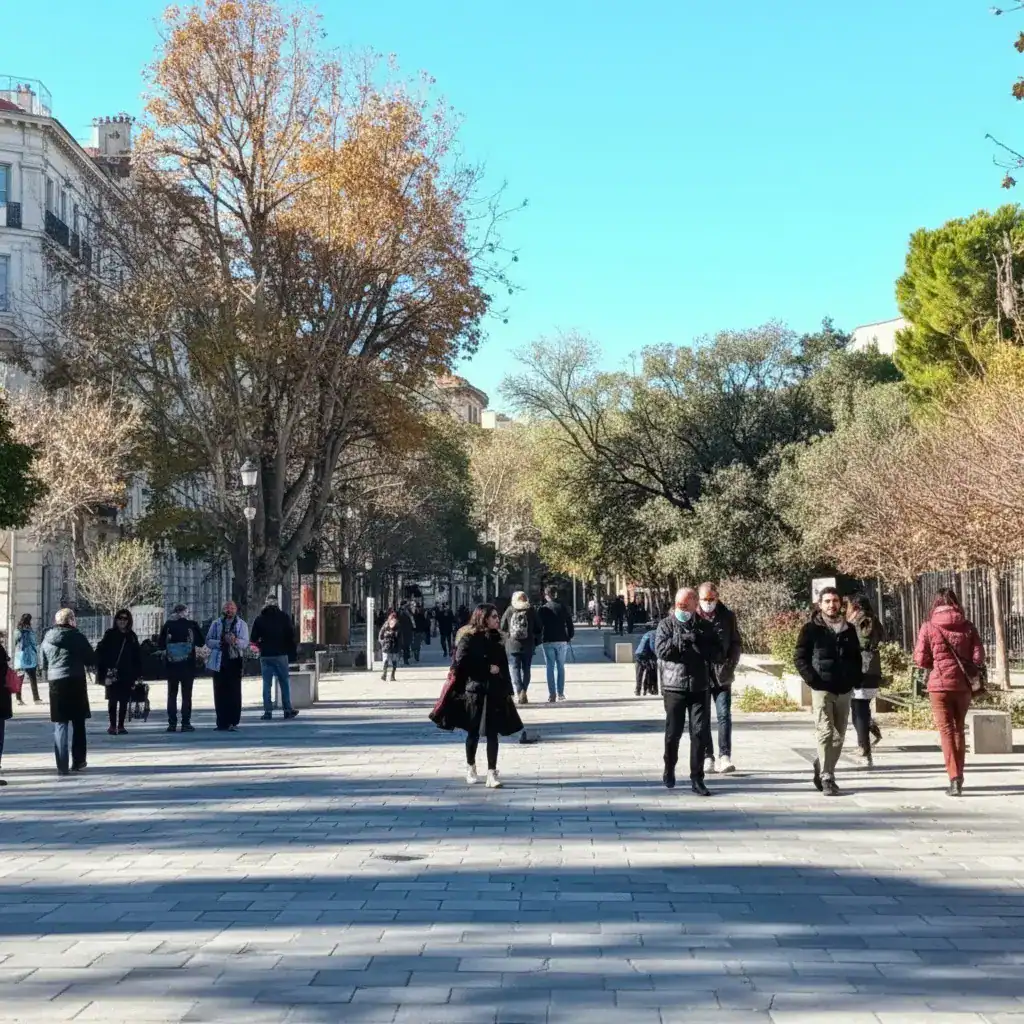
Athens, October 29 – The Greek capital faces an ecological crisis without precedent as thousands of urban trees have died over the past five years, victims of a deadly mix of climate change and invasive insect species. Once-vigorous pillars of the city’s green infrastructure-including mulberry trees, bitter orange trees, elms, and palms-are now under intense biological and environmental pressure.
Prolonged drought, higher temperatures, and the rapid spread of non-native pests have put extraordinary pressure on Athens’ urban forest, prompting municipal authorities and environmental experts to fundamentally rethink strategies for preserving the city’s dwindling tree cover.
Asian Longhorn Beetle Emerges as Primary Threat
The most damaging threat currently facing Athens’ trees is the Asian longhorn beetle (Xylotrechus chinensis), a wood-boring insect species native to Southeast Asia. The beetle was first found in Athens in 2020 and has since established populations across parts of Greece and other Mediterranean countries.
According to the European Food Safety Authority (EFSA), the species now qualifies to be classified as a potential quarantine pest by the European Union. The beetle mainly attacks mulberry trees, tunneling deep into their trunks and cutting off the flow of water and nutrients, which ultimately kills the host tree.
Research conducted in Athens and other Greek regions has documented heavy infestations that have led to the loss of thousands of trees and caused extensive damage to local urban ecosystems. EFSA has issued warnings that the pest poses a serious and growing risk to both ornamental and fruit-bearing trees throughout Southern Europe.
“The Asian longhorn beetle has proved to be one of the most aggressive invasive species we have encountered in recent years,” said Dr. Maria Papadopoulou, an entomologist at the Agricultural University of Athens. “Its ability to rapidly colonize weakened trees and spread to new hosts makes it extremely difficult to control once it takes hold.”
Climate Change Weakens Tree Defenses
Invasive insects are a direct biological threat, but the underlying vulnerability of Athens’ trees stems largely from climate-related stress. Rising temperatures, sharply reduced rainfall, and prolonged periods of drought have steadily weakened urban trees’ natural defenses, making them far more susceptible to pest infestations and disease.
Tree species that once flourished under the stable conditions of the traditional Mediterranean climate are now struggling to survive as local weather patterns become increasingly hot and arid. Average summer temperatures in Athens have risen by approximately 1.5 degrees Celsius over the past three decades, while annual precipitation has declined by nearly 15 percent during the same period.
“Climate stress acts as a force multiplier for pest damage,” explained Dr. Konstantinos Theocharopoulos, an urban forestry specialist at the National Technical University of Athens. “A healthy, well-watered tree can usually resist or recover from insect attacks. But when trees are already weakened by heat and drought, they are easy targets.”
Experts warn that this combination of climatic and biological stressors could permanently alter the composition and character of Athens’ urban vegetation, potentially eliminating species that have been part of the city’s environment for centuries.
Thousands of Trees Lost Across the Capital
Municipal records show that Athens has lost an estimated 8,000 to 10,000 urban trees over the past five years, with the majority of losses concentrated in central districts and along main roads. Iconic streets such as Dionysiou Areopagitou, which runs along the base of the Acropolis, have experienced significant tree loss.
Mulberry trees, which have historically provided shade along many Athenian streets, have been hit especially hard. In some neighborhoods, entire rows of mature mulberries have been removed after succumbing to beetle infestations. Bitter orange trees, another traditional feature of the urban environment, are also showing signs of severe stress.
Palm trees, which have become increasingly popular in Mediterranean cities, are dealing with their own challenges from both climate stress and separate invasive pest species, including the red palm weevil.
City Implements Emergency Response Measures
Athens municipal authorities have launched a broad response plan aimed at slowing the spread of infestations and strengthening the resilience of surviving trees. The multi-pronged approach includes trunk injections with targeted insecticides, selective removal and safe disposal of dead or heavily infested trees, and large-scale replacement planting with species identified as more tolerant to drought and heat stress.
The city has begun testing advanced monitoring systems, including aerial drone surveys equipped with thermal imaging cameras and early-warning predictive models to spot pest infestations before they reach critical levels and spread to neighboring trees.
“We are working on multiple fronts simultaneously,” said Eleni Myrivili, Athens’ Chief Heat Officer and environmental advisor. “That includes immediate action to control existing infestations, preventive measures to protect healthy trees, and long-term planning to ensure our urban forest can survive in a much hotter, drier climate.”
The municipality has set aside about 3.2 million euros for emergency tree management and replacement programs over the next two years. Priority areas include historic districts, school zones, and neighborhoods with limited green space.
Shift Toward Climate-Resilient Species
As part of its adaptation plan, Athens is rethinking which tree species to plant in its urban environment. Traditional choices are being supplemented or replaced with varieties that have demonstrated greater tolerance to heat, drought, and pest pressure.
Species being considered include drought-resistant Mediterranean natives such as carob trees, Aleppo pines, and certain varieties of oak, as well as carefully selected non-native species from similar climatic zones in Australia, California, and South Africa that have proved resilient in similar conditions.
“We can no longer simply replant what we have lost,” noted Dr. Theocharopoulos. “We need to select species that will still be viable in Athens’ climate 20 or 30 years from now, not the climate of 20 years ago.”
The city is also expanding its use of smart irrigation systems and moisture-retention technologies to help new plantings build strong root systems during their crucial first years.
International Collaboration and Research
Greek authorities are working closely with the European Food Safety Authority, the European and Mediterranean Plant Protection Organization (EPPO), and research institutions across Southern Europe to coordinate pest management strategies and share data on effective interventions.
The EFSA has recommended enhanced surveillance protocols, stricter import controls on plant materials from regions where the Asian longhorn beetle is endemic, and coordinated eradication efforts in areas where infestations are still limited.
“This is not a problem that Athens – or Greece – can solve alone,” said Dr. Giuseppe Stancanelli, an EFSA pest risk assessment specialist. “Invasive species do not respect borders. Effective control requires regional coordination and sustained international cooperation.”
A Warning for Cities Worldwide
The ecological crisis unfolding in Athens stands as a clear warning for urban centers across the Mediterranean basin and beyond. The combined pressures of climate change, invasive species, and water scarcity are profoundly reshaping urban ecosystems in cities from Barcelona to Beirut, from Rome to Tel Aviv.
Urban forestry experts say that preserving tree cover in this new climatic reality will require long-term strategic planning, sustained investment in scientific research, robust international collaboration, and public awareness campaigns – lessons that Athens is learning through direct, often painful experience.
“What’s happening in Athens is a preview of what many other cities will face in the coming decades,” warned Dr. Papadopoulou. “The question is whether we can adapt quickly enough to prevent catastrophic losses of urban greenery that took generations to establish.”
Public Awareness and Community Engagement
Athens authorities are launching public education campaigns to raise awareness about the importance of urban trees and encourage residents to report signs of pest infestation or stressed trees. Community groups and neighborhood associations are being brought in to help monitor local tree health and participate in planting initiatives.
“Our urban forest is a shared resource and a shared responsibility,” said Myrivili. “We need every Athenian to understand that these trees are not just decorative – they provide critical cooling, improve air quality, support biodiversity, and make our city livable.”
The Battle for Athens’ Green Future
The struggle to protect Athens’ trees has shifted from a local environmental concern to a test case for the future of urban forests in a rapidly warming world. As climate patterns continue to change and new invasive species emerge, cities worldwide will need to develop adaptive strategies balancing ecological preservation with the realities of a changing planet.
For Athens, the path forward requires not only immediate crisis management but also a fundamental rethink of what an urban forest can and should be in the 21st century. The lessons learned in the shadow of the Acropolis may ultimately help cities around the globe navigate their own transitions toward climate-resilient urban environments.
Source: https://greekreporter.com/2025/10/29/invasive-insects-climate-stress-devastate-athens-urban-trees-greece/