Greece is grappling with a severe water crisis, leading to imminent ‘red alert’ declarations for the islands of Leros and Patmos. The capital, Athens, and the broader Attica region are anticipated to face similar measures by Friday, as critical hydrological data reveal dangerously depleted reservoir levels. This proactive step, however, is designed to facilitate rapid institutional response rather than impose immediate rationing on residents.
Regulatory Body Mobilizes to Address Crisis
The Waste, Energy and Water Regulatory Authority (WAREA, or RAEY) is in the final stages of issuing an official announcement, a decision supported by comprehensive assessments from the National Technical University of Athens. A key focus of tomorrow’s agenda will be an in-depth discussion on Attica’s water shortages, highlighting the urgent need for action.
The ‘red alert’ designation is primarily a procedural mechanism, not an immediate call for household water restrictions or blackouts. Its purpose is to unlock and expedite critical processes, including:
- Swift allocation of funds for emergency water infrastructure projects.
- Fast-track approvals for essential studies and construction initiatives.
- Flexible procurement methods to bypass bureaucratic hurdles.
- Accelerated timelines for all necessary interventions.
This urgent mobilization follows a direct appeal from EYDAP, Athens’ water utility, to the Ministry of Environment and Energy. EYDAP emphasized the critical need for rapid intervention to safeguard the water supply for the capital. With RAEY now fully engaged, the institutional response to the crisis is shifting into high gear.
Mornos Reservoir Reaches Record Lows
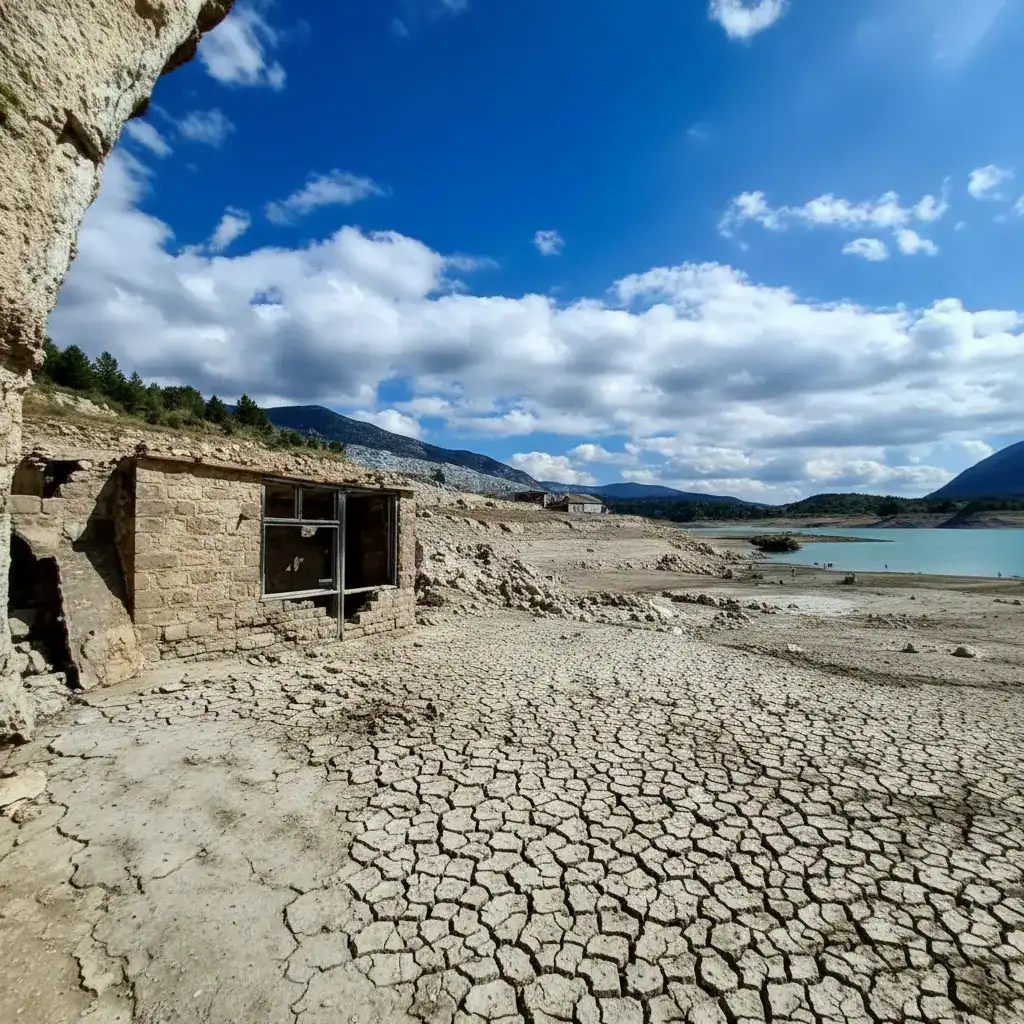
At the epicenter of this unfolding drought is Lake Mornos, a vital water source for Attica. Official data from EYDAP paints a grim picture: as of October 23, 2025, water levels stood at a mere 157 million cubic meters. This figure represents the lowest recorded level for this time of year in 15 years, marking a dramatic 45% decline from the 285 million cubic meters recorded on the same date in 2024.
Experts warn that if the upcoming winter does not bring substantial rainfall, current water levels in the region may only sustain for another year. Satellite imagery from the National Observatory of Athens’ Meteo.gr service, captured on October 9, 2025, visually reinforces the severity of the situation. The lake’s surface area has shrunk to 8.3 square kilometers, a 44% reduction from the 2016-2024 average of 14.9 square kilometers. This stark visual transformation underscores the critical state of this essential water basin.
Potential Tariff Relief for Consumers
Amidst the mounting concerns, there is a glimmer of positive news for consumers. New financial projections suggest that ongoing disputes regarding water tariff increases, which utilities have sought to implement to offset rising operational costs, could be resolved by the end of the year. A resolution in this area could help mitigate the financial impact of the current supply challenges on households.
As Greece confronts a future marked by increased water scarcity, these ‘red alerts’ serve as more than just warnings; they are urgent calls for enhanced resilience and innovative solutions. With several islands already experiencing severe dryness and the mainland teetering on the brink, the coming months will be a critical test of how effectively technological advancements and, crucially, natural rainfall, can address the nation’s growing thirst.
Source: https://greekcitytimes.com/2025/11/27/greece-water-crisis-red-alert-islands-athens-mornos-reservoir/amp/