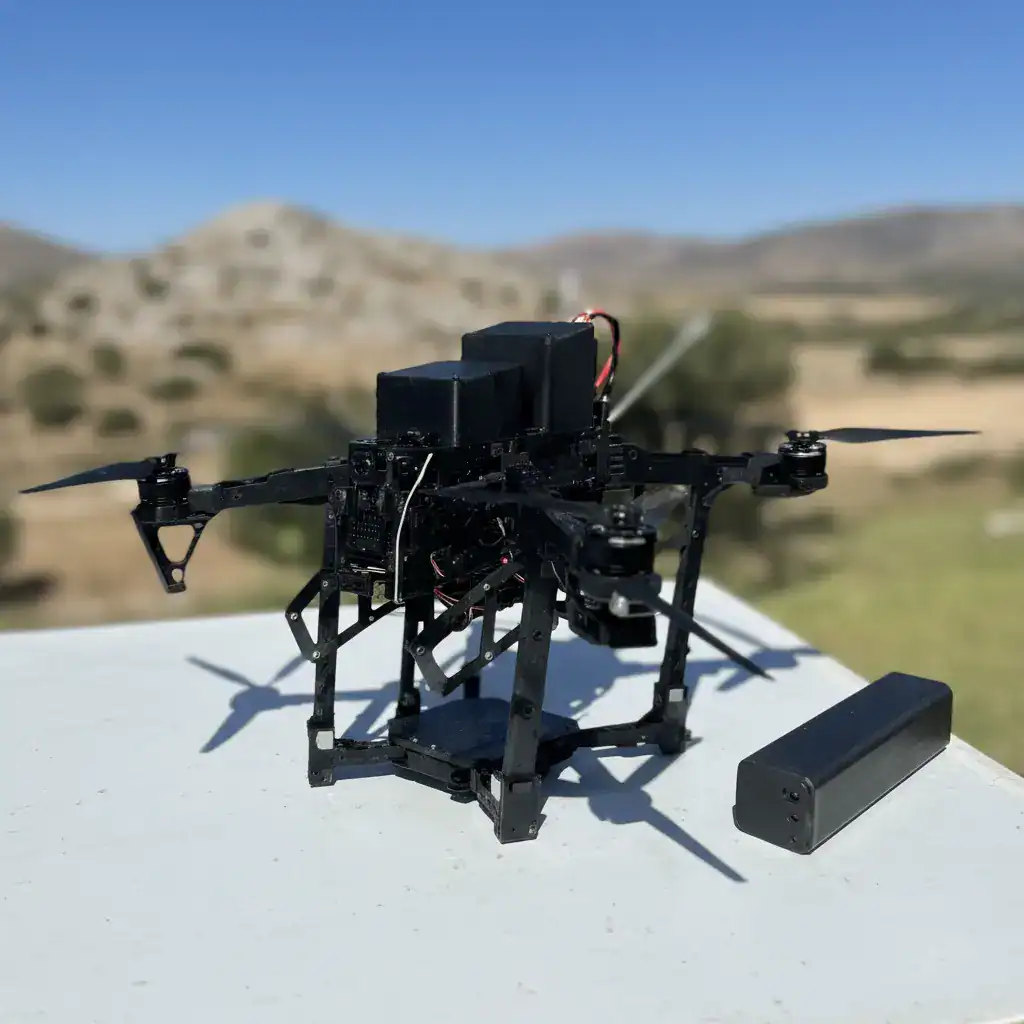
Athens, March 12 – Greece is making significant strides in advancing its domestically developed military drone systems, with the Ministry of National Defense and the Hellenic Center for Defense Innovation announcing on Wednesday the awarding of initial research and development contracts. These contracts cover three unmanned combat aerial vehicles (UCAVs) and two associated defense technologies, marking a strategic move to bolster the nation’s defense capabilities through homegrown innovation.
Successful Field Tests Pave the Way for Further Development
The decision to award these contracts follows a series of rigorous field tests conducted during the military exercise “Parmenion ’25.” During this exercise, three drone prototypes underwent evaluation, with the armed forces ultimately selecting them for further development. This rigorous selection process ensures that the chosen systems align with the operational requirements and strategic objectives of the Greek military.
Agreements Signed with Greek Companies
In a crucial step towards industrialization, three Greek companies have signed agreements to advance these defense technologies. These agreements are meticulously aligned with the operational requirements set forth by the military. Officials emphasize that additional testing phases are planned before any of these systems can be considered a final product ready for integration into operational planning. This phased approach underscores a commitment to thoroughness and effectiveness in defense procurement.
Industrial Production of Loitering Munition Drone Approved
In a separate but equally significant development, authorities have given the green light for the industrial production of a loitering munition drone. This particular drone was developed by the armed forces’ innovation and technology center and has already undergone testing by personnel from the Special Warfare Command. The approval for industrial production highlights the maturity and operational readiness of this specific system, indicating its potential for immediate deployment.
Centaurus Electronic Warfare System Expanded
Further enhancing Greece’s defense posture, another contract focuses on the expansion of the Centaurus electronic warfare system. This system is specifically designed to counter hostile drones and is crucial for strengthening naval operations. The continuous development and expansion of such systems reflect a proactive approach to modern warfare challenges, particularly the growing threat posed by unmanned aerial systems.
Lessons from Modern Battlefields Drive Innovation
Officials, including Defense Minister Nikos Dendias, have stated that these initiatives directly reflect critical lessons learned from contemporary battlefields. The emphasis is on the understanding that relatively low-cost unmanned systems can deliver significant operational value. This perspective is driving Greece’s investment in domestic drone technology, aiming to achieve strategic advantages and enhance national security in an evolving global defense landscape.
Future Outlook and Strategic Importance
The ‘made in Greece’ military drone program is a cornerstone of the nation’s broader defense strategy. By fostering domestic research, development, and production, Greece aims to reduce its reliance on foreign suppliers, stimulate its defense industry, and ensure a continuous supply of cutting-edge military technology tailored to its specific needs. This strategic investment is expected to have long-term benefits for national security and technological sovereignty.
The Hellenic Center for Defense Innovation plays a pivotal role in this endeavor, acting as a hub for collaboration between the military, academic institutions, and private companies. Its mission is to identify, nurture, and accelerate the development of innovative defense solutions that address current and future threats. The success of the drone program will likely pave the way for further investments in other critical defense technologies.
These developments signify Greece’s commitment to modernizing its armed forces and adapting to the challenges of 21st-century warfare. The focus on unmanned systems, electronic warfare, and domestic production underscores a forward-thinking approach aimed at securing national interests and maintaining regional stability.