The 4th Lyceum of Corfu: A Shift from Community Hub to Experimental Model
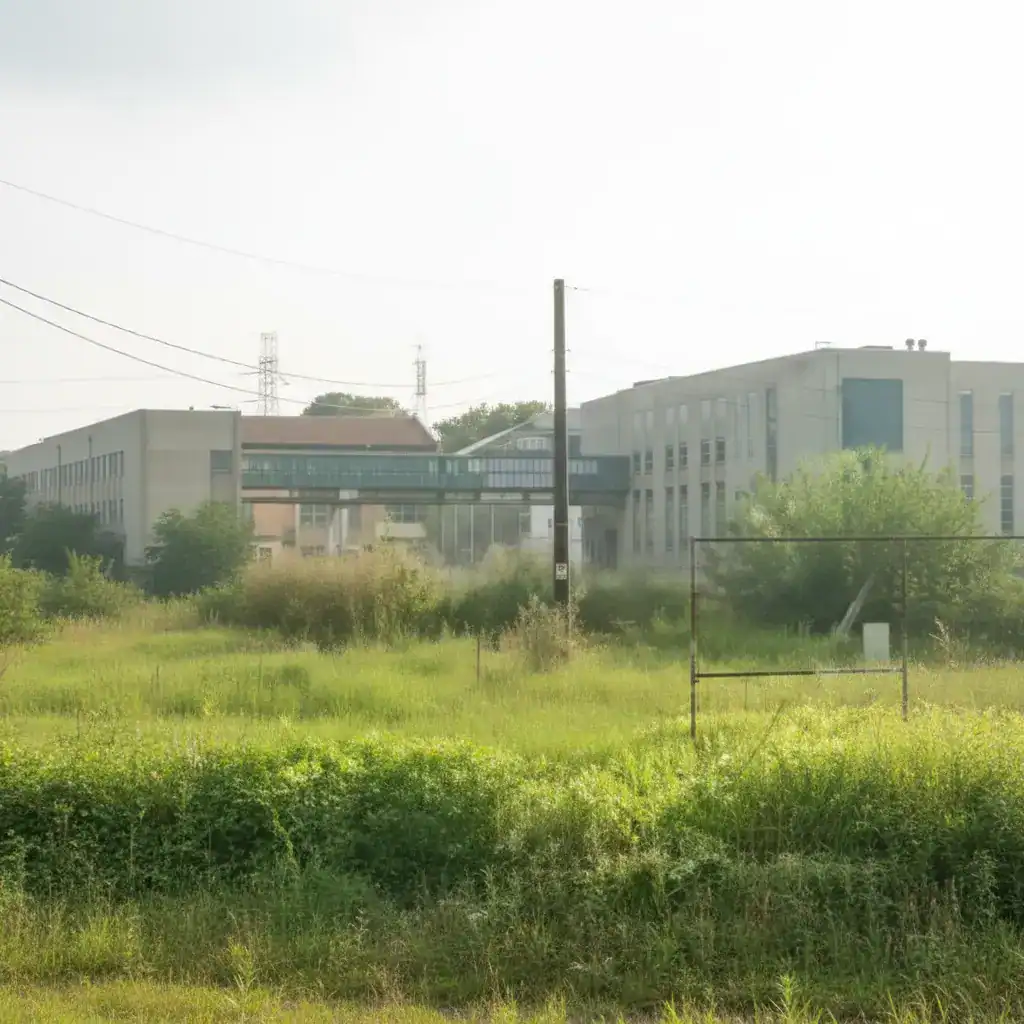
The 4th General Lyceum of Corfu, established in the early 1990s, has undergone a significant transformation. After years of being housed in unsuitable facilities, it moved into a modern building in 2022, serving students from surrounding areas. However, the administration’s declared intention to convert it into an Experimental School is raising concerns that the entire Corfiot society needs to be aware of.
Selection Process and Geographical Disparities
The selection of students for this new experimental model will no longer be based on their residential address, as has been the case until now. Instead, it will be conducted through a public electronic lottery following parental applications. All students from the prefecture of Corfu, from Sidari to Lefkimmi and Paxos, will be eligible to participate in this lottery. The number of students enrolled will be determined by a committee overseeing the school’s operation, rather than by the annual student population of the wider Garitsa and Kanoni areas, or the middle schools that typically feed the 4th Lyceum. Consequently, geographical boundaries and the concept of a ‘neighborhood school’ are being abolished.
More specifically, the conversion of the 4th Lyceum into an Experimental School will complicate the daily lives of approximately 50 children residing in the Kanoni area each year, as well as 20-30 children from the broader region stretching from Kanalia to central and southern Corfu, who currently enroll in the school. Students from northern Corfu who are selected for the Experimental School will also face difficulties with access and timely arrival due to problematic public transport connections between the school and the KTEL network. This could lead to many students, through no fault of their own, being late or even missing their first class.
Overcrowding and Social Impact on Other Schools
Students who are not selected for the Experimental School will be allocated to other educational institutions, which are further away from their homes and, crucially, are already severely overcrowded. This situation is expected to have negative consequences for the educational process and family planning. It is important to emphasize that the concentration of an excessively large number of students in the remaining, already saturated, high schools in the city will not only create ‘monster classes’ with 27 students. The ‘sardine-like’ packing of the student population, the impersonal relationships resulting from massification, and the lack of space are expected to increase incidents of aggression and violence among students.
Therefore, it is puzzling how the administration fails to realize that the conversion of the 4th Lyceum into an Experimental School not only exacerbates housing problems in other high schools but also practically renders useless the building infrastructure of our school. This school was built to meet the needs of the wider Garitsa and Kanoni areas and has, since its establishment, been characterized as a ‘neighborhood school,’ with which parents and students in the area identify. It is the largest school building on the island in terms of capacity and size, capable of potentially accommodating over 400 students, while maintaining the use of necessary spaces for the proper functioning of the school, such as a library, an events hall, and laboratories.
The Broader Educational Landscape and the Question of Planning
We must also stress that the unequal and unplanned creation of experimental schools does not upgrade the level of education but rather paves the way for the detachment of the school from its natural environment, namely the neighborhood. The loss of the ‘neighborhood school’ character will also cause additional practical problems. Let’s also consider that there are currently several periods for registrations and transfers in public schools, and yet some parents, due to increased obligations or lack of familiarity with electronic procedures, miss the relevant deadlines. However, the neighborhood school is always there to solve such problems and to care for each student individually.
Finally, we observe from the haste in implementing government choices by the administration and the non-existent dialogue that there is no organized educational plan for multiplying school units that apply experimental educational methods with the logic of extending them to other schools. There is only a tendency for makeshift, impressive moves and superficial decisions to distract society, and especially the educational community, from the substantive problems of education. After all, no ‘reform’ or counter-reform of recent years has had even the slightest connection with experimental schools, which are practically detached from the problems, concerns, and needs of primary and secondary education.
If the government considers the establishment of an experimental lyceum in Corfu necessary for substantive reasons, and not just for ‘show,’ it has the ability to construct a new school building, instead of rendering useless a building that covers the needs of a specific area of Corfu city and whose inauguration took place after many years of delays and postponements.
Source: https://www.esos.gr/arthra/96563/telos-epohis-gia-4o-lykeio-kerkyras-sti-thesi-toy-peiramatiko-lykeio