Corfu Left Without Firefighting Vessel Again: A Critical Oversight in National Emergency Planning
Corfu, a prominent maritime gateway to Italy and Albania and a burgeoning cruise ship destination, is once more conspicuously absent from the national allocation of firefighting vessels. This recurring oversight, despite the island’s strategic importance and rapid growth in marine tourism, highlights a concerning gap in Greece’s emergency preparedness strategy and raises serious questions about the Ministry of Maritime Affairs and Insular Policy’s priorities.
A Critical Gap in Safety for a Thriving Maritime Hub
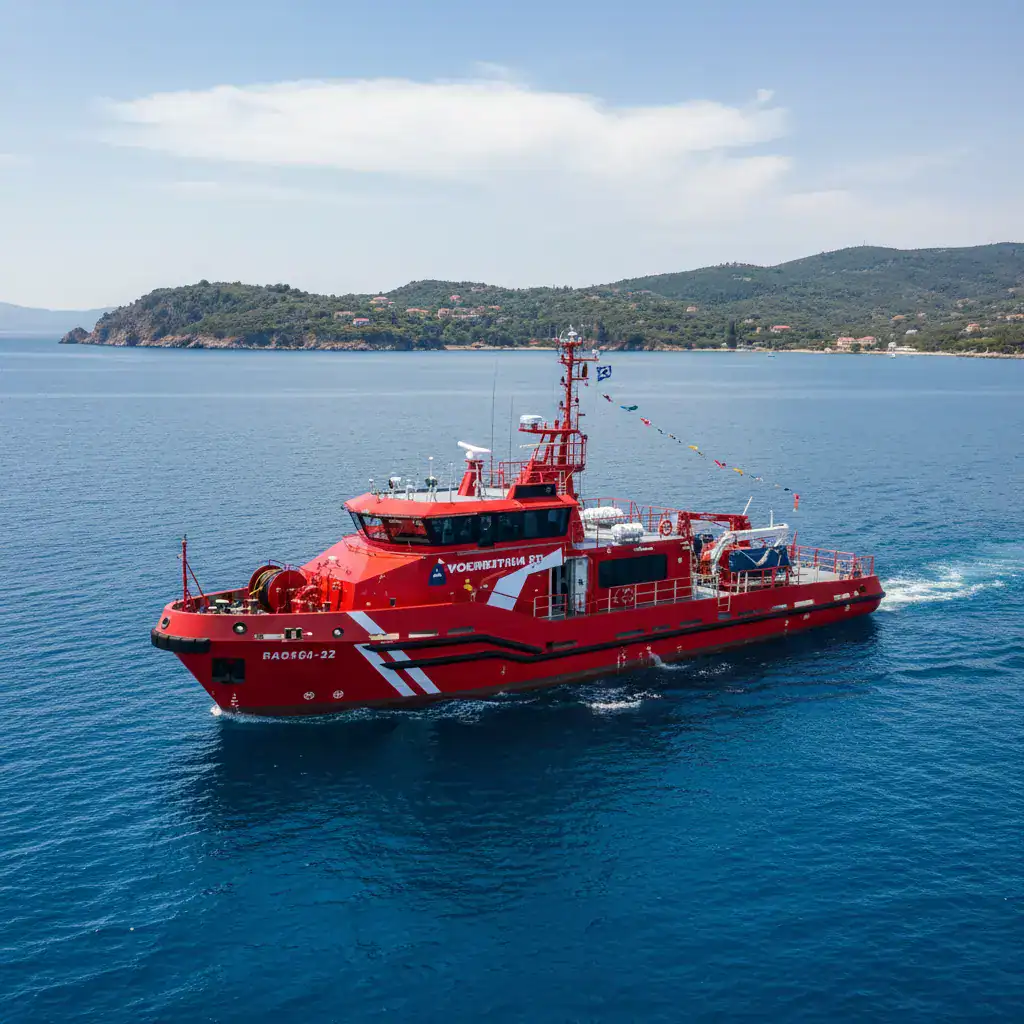
The announcement by the Deputy Minister of Shipping and Island Policy, Mr. Gkikas, regarding the acquisition of five new firefighting vessels under the national civil protection program ‘AEGIS,’ was met with fanfare. However, for Corfu, the news brought a familiar sense of disappointment. Despite being the seat of the Ionian Islands Regional Unit, home to existing marinas (Gouvia, Benitses) and plans for new ones (Spilia, Mega Yacht, Imerolia), and welcoming over 500 cruise ships annually, Corfu has been excluded from this crucial allocation.
This exclusion is not an isolated incident. Corfu was similarly overlooked in the previous distribution of ten firefighting boats. The island’s Fire Service has been urgently requesting a dedicated vessel since 2002, with detailed proposals from officials like Mr. Rizos, the then commander of the 1st Fire Station. Yet, the plea for enhanced maritime safety appears to remain unheeded.
The Economic and Human Cost of Neglect
The implications of this persistent oversight are profound. Corfu’s reliance on marine tourism is undeniable. The continuous influx of cruise ships and the expansion of marina infrastructure underscore the critical need for robust maritime emergency response capabilities. The absence of a dedicated firefighting vessel leaves the island vulnerable to serious incidents, as tragically demonstrated in past events both within the port and offshore, where firefighting vehicles on ferries were forced to operate in open seas.
The argument from the Ministry that Igoumenitsa already possesses a vessel and is slated to receive another new one, thus negating Corfu’s need, is met with incredulity. This perspective fails to acknowledge Corfu’s unique geographical position, its distinct maritime traffic, and its status as a major tourist destination. Critics argue that such a rationale indicates a lack of comprehensive, region-specific planning.
A Call for Strategic Reassessment
This situation demands a strategic reassessment of national civil protection priorities. The rapid growth of maritime tourism in Corfu, coupled with the inherent risks associated with increased sea traffic, necessitates a proactive and well-resourced emergency response framework. The current approach, which repeatedly sidelines Corfu, not only jeopardizes the safety of its residents and countless visitors but also undermines the long-term economic stability of the island.
The question that remains is whether the Ministry of Maritime Affairs and Insular Policy will recognize the urgency of this matter and rectify this critical oversight. Corfu’s status as a vital maritime and tourist hub should translate into a commensurate level of investment in its safety infrastructure, rather than continued neglect. Until then, the island, with its bustling marinas and constant stream of cruise ships, continues to operate under a shadow of unnecessary risk.
The community and local authorities in Corfu await a definitive response and a commitment to address this glaring deficiency in their emergency preparedness. The safety of a major European tourist destination should not be a matter of repeated appeals but a fundamental priority in national planning.