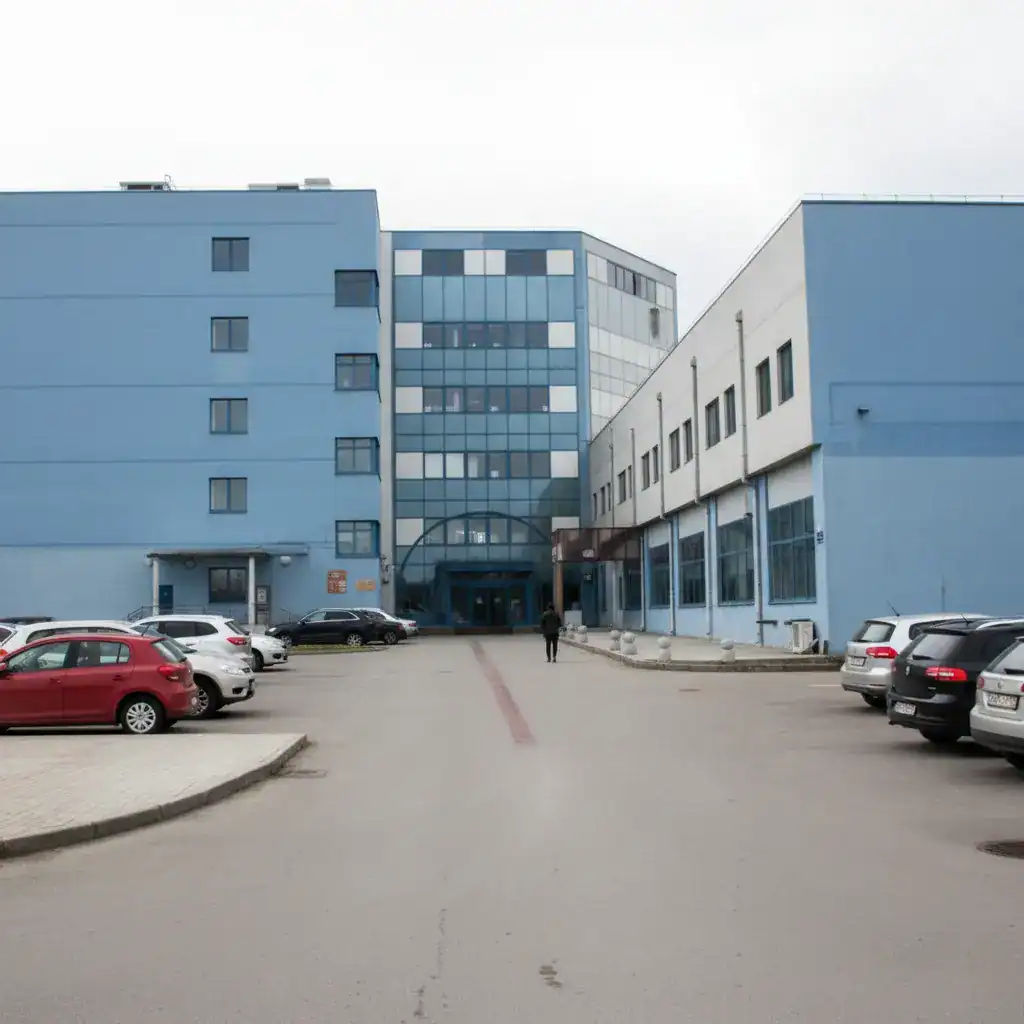
The resignation of three anesthesiologists at Corfu Hospital has plunged the institution into a profound crisis, raising serious concerns about the future of surgical operations and the overall quality of public healthcare on the island. This development, denounced by both the Corfu Doctors’ Union of ESY and the hospital workers’ union, paints a grim picture of an understaffed and under-resourced medical system.
A System on the Brink: Beyond Individual Resignations
The unions describe a “downward spiral” for the hospital and local health centers, with clinics operating at partial capacity and staff pushed beyond their limits. Their demands are clear and urgent:
- Doctors must be able to work with dignity and security.
- Patients should receive care without playing “Russian roulette” depending on on-call schedules.
- Corfu Hospital must function as a proper hospital, not merely as a backdrop for press releases.
They assert that every resignation, every vacancy, and every suspension of a department’s operation from now on bears the name of those who legislate, make decisions, and pose smiling for photos while dismantling healthcare in a “cosmopolitan” island and tourist region.
A Call to Action for Corfu’s Citizens
The unions are urging the citizens of Corfu not to become accustomed to this degradation, not to accept as “normal” that in 2026, surgeries might be canceled due to a lack of anesthesiologists, and not to believe that their lives are worth less simply because they happen to live on an island. Their message is unequivocal: “For us, the line is clear: either there will be substantial solutions now – with decent salaries, permanent hirings, and real support for the Hospital – or they should publicly state that they consider Corfu to be medically expendable.”
Political Reactions and Accusations
Dimitris Biagis, PASOK-KINAL MP, echoed these sentiments, stating that the doctors’ resignations are not merely private decisions but the direct result of a policy that treats doctors in the region as expendable and the citizens of Corfu as second-class. He argues that this policy undermines the philosophy of the National Health System (ESY) and instead strengthens private initiatives at the expense of public healthcare.
Adding to the political pressure, MP Alekos Avlonitis has submitted an urgent parliamentary question to the Minister of Health regarding Corfu Hospital. He demands “immediate solutions and a plan for effectively addressing the shortcomings in the island’s public health system.” Avlonitis warns that the hospital’s impending collapse cannot be averted with mere platitudes, promises, or sugar-coated descriptions.
The Long-Term Implications for a Tourist Destination
The crisis at Corfu Hospital is more than a localized issue; it reflects a broader systemic failure in healthcare provision in peripheral and tourist-dependent regions. The chronic underfunding, insufficient staffing, and lack of strategic planning are creating a dangerous precedent. For an island that relies heavily on tourism, a compromised healthcare system poses a significant threat not only to its residents but also to its economic viability. Tourists expect and deserve access to reliable medical services, and the current situation in Corfu risks tarnishing its image as a safe and welcoming destination.
The question remains: will the authorities heed these urgent calls for action, or will Corfu continue to be treated as an “expendable” medical outpost? The answer will determine not only the health outcomes of its citizens but also the very fabric of its society and economy.
Source: https://www.ertnews.gr/perifereiakoi-stathmoi/kerkyra/kerkyra-provlima-me-ta-xeirourgeia-sto-nosomeio-paraitithikan-anaisthisiologoi/?amp