Corfu Environmental Protection Association: No to Ionian Sea Hydrocarbon Exploration
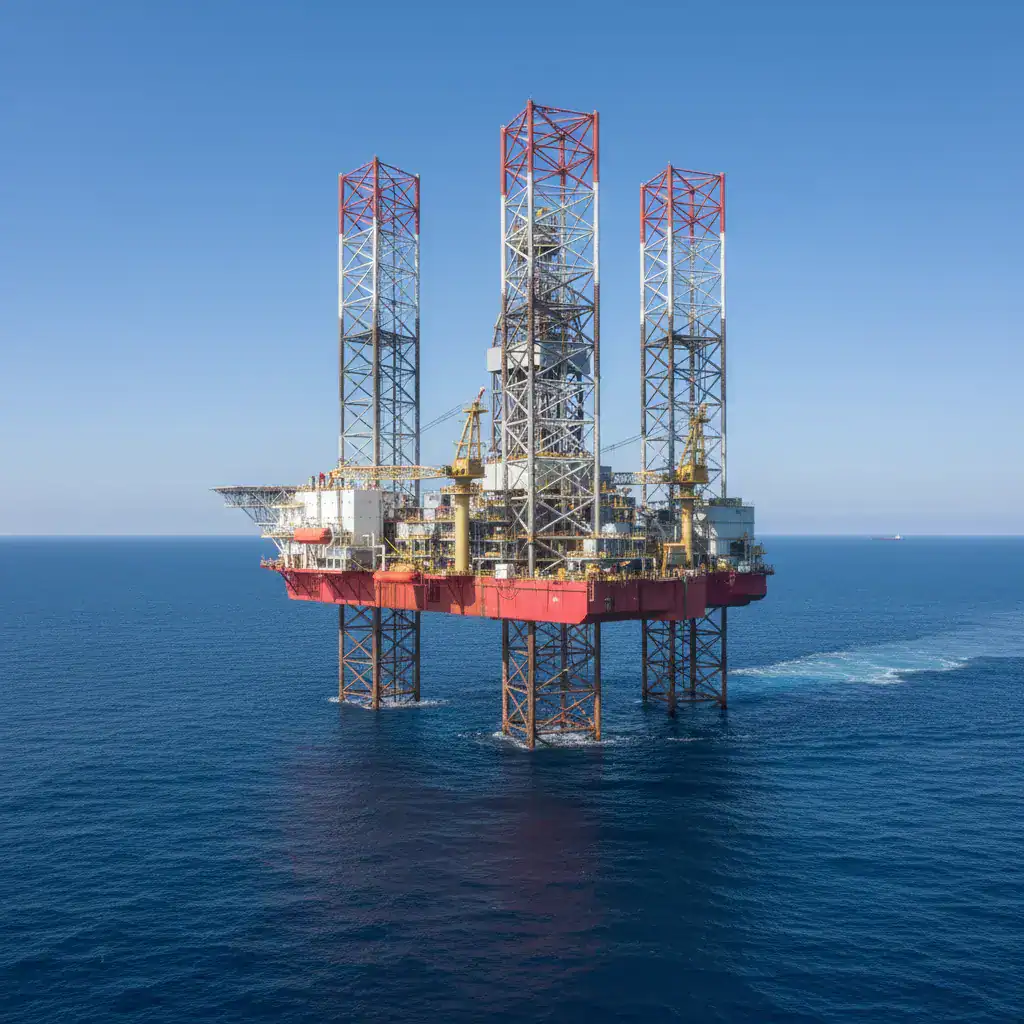
The recent agreement between Exxon Mobil and the Greek government to conduct exploratory drilling in ‘Field 2,’ located west of Corfu, has ignited a fierce debate and drawn strong condemnation from the Corfu Environmental Protection Association. This development is not merely a localized regulatory matter concerning energy policy; it signals a much broader challenge that could redefine the ecological and economic landscape of the Ionian region for decades to come. It also serves as a critical test of whether Greek authorities prioritize short-term economic gains over long-term environmental sustainability and the well-being of local communities.
A Grave Threat to the Ionian Ecosystem and Local Economies
The Association unequivocally states that this agreement constitutes a direct and imminent threat to Corfu, the Diapontia Islands, Paxos, and the entire northern Ionian Sea. It reopens the contentious chapter of hydrocarbon exploration and extraction across the northern and central Ionian, a prospect that the local population must immediately recognize as detrimental. The often-cited economic and ‘national’ benefits associated with such activities are dismissed as hollow rhetoric designed to appease and mislead the public.
The potential impacts of hydrocarbon exploration and any subsequent extraction in the Ionian Sea are summarized as follows:
- Certain Degradation of Marine Life: This includes, but is not limited to:
- Cetacean Populations: Whales, dolphins, and beaked whales (many of which are now rare) inhabiting the Ionian Sea face a significant risk of injury, harm, and death due to drilling activities. The ability of these species to live and move freely in the western Ionian will be severely compromised.
- Other Key Species: Important marine life such as sea turtles and seals are also highly vulnerable to the adverse effects of these operations.
The more these species are affected, the more the balance of the marine ecosystem will be disrupted.
- Inevitable Marine and Atmospheric Pollution: Regardless of accident prevention measures, leaks during oil and gas extraction are a routine occurrence. Hydrocarbons are extracted from rocks, and it is impossible to completely control all quantities, leading to chronic pollution.
- Catastrophic Consequences in Case of Accidents: An accident could have devastating, long-lasting impacts on tourism, fishing, and the overall image of the islands for many years.
- Incompatibility with Island Economies: This activity is deemed unnecessary and offers no tangible benefits to the islands. It cannot contribute positively to the needs of the local communities.
- Disproportionate Burden on Residents: Island residents will bear all the severe and long-term consequences of this venture without any significant national economic benefit. The Greek state’s share of profits is minimal, and taxes can easily be circumvented by companies through overseas investments.
- Engagement with Unscrupulous Multinationals: The Greek government is negotiating with multinational corporations known for their undue influence on politics at local and international levels, and for the widespread suffering they have caused to communities worldwide through their operations.
- Exacerbation of the Climate Crisis: Scientific consensus is clear: to mitigate global temperature increases, all plans for new fossil fuel extraction must cease. Greece already suffers significantly each year from heatwaves, fires, and droughts, consequences that will inevitably worsen. As a society affected by the climate crisis in Corfu, Diapontia, and Paxos, the expansion of the fossil fuel industry offers only losses.
A Misguided National Strategy and a Call to Action
The Association laments that the Greek government has seemingly succumbed to the business interests of American multinationals, which heavily influence US policy across all sectors. A peculiar narrative has taken hold in Greece over the past fifteen years, promoting ‘geopolitical benefits’ and power derived from hydrocarbon discoveries and gas infrastructure development, aiming to transform the country into an energy hub. This narrative has led a significant portion of the political establishment astray, pursuing an aimless ‘treasure hunt’ with unrealistic expectations of geopolitical and economic gains.
The Corfu Environmental Protection Association emphatically warns the people of the Ionian islands that they have nothing to gain and much to lose from these plans. The true interests of the islands lie in preventing the worsening of the climate crisis, protecting their seas and all marine organisms, safeguarding local economies, and transitioning to a just energy system that provides clean and affordable energy for all citizens.
The Association urges the citizens of Corfu, Paxos, and the Diapontia Islands to resist these plans and to organize with them to prevent their implementation.