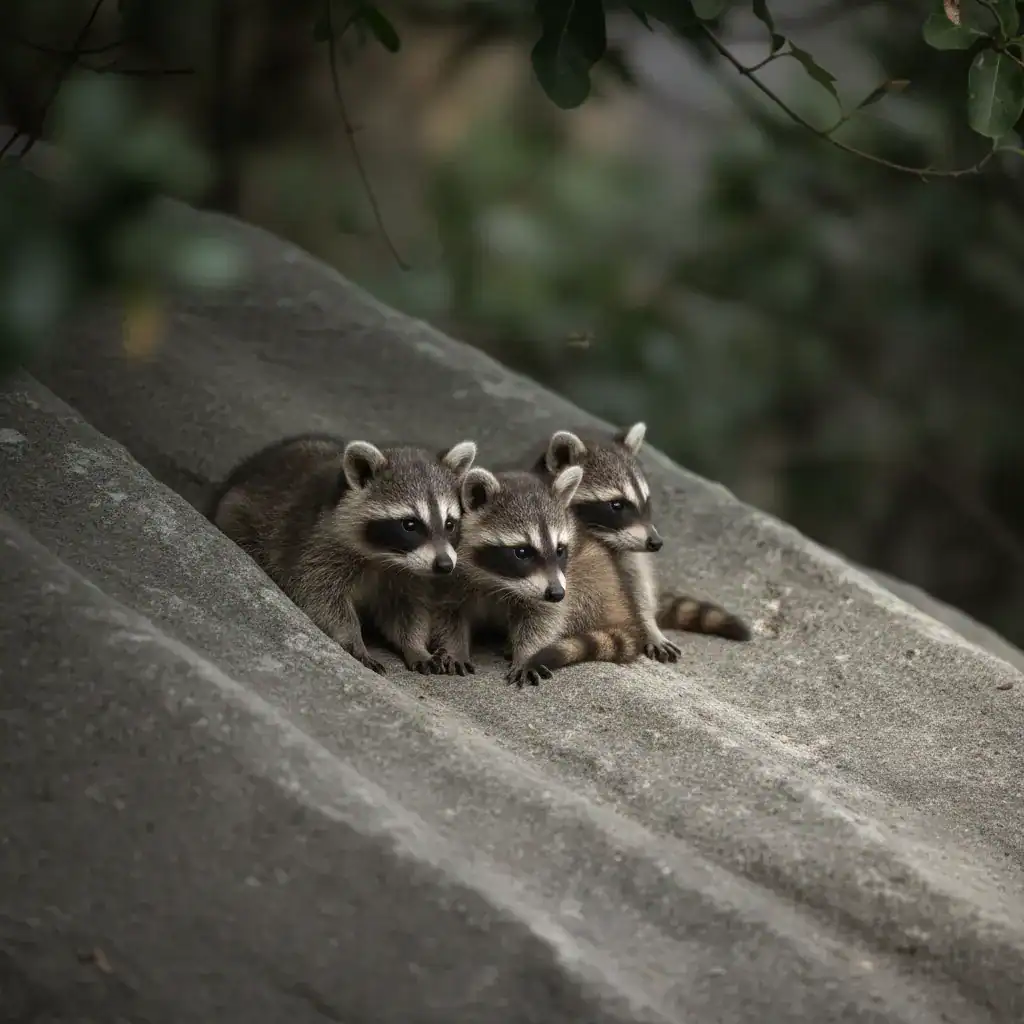
Corfu, June 1, 2026 – The recent sighting of baby raccoons in the Glyfada area of Corfu is causing alarm among environmentalists and local authorities. This new development suggests that the non-native and invasive species is not merely surviving on the island but is likely reproducing and expanding its population, posing significant ecological and public health risks.
Sighting Confirms Reproduction Concerns
According to a social media post by Efthymios Koukos, a baby raccoon was found on the road leading up from Glyfada beach. Koukos also reported hearing other young raccoons in the vicinity, further supporting the theory of a breeding population. He stated that he contacted the Corfu Forest Directorate, but, as he noted, there was no immediate solution available for addressing the incident.
The presence of baby raccoons is particularly significant because it indicates more than just an isolated appearance of an animal; it points to the establishment of a population. Raccoons have been recorded in Corfu previously, with reports originating from areas in Central Corfu, including Glyfada, Kontogialos, and Ermones.
The Raccoon: An Invasive Species of Concern
The raccoon, scientifically known as Procyon lotor, is listed as an invasive alien species of Union concern under European Union Regulation 1143/2014 on invasive alien species. It is an omnivorous, highly adaptable, and intelligent mammal that can feed on eggs, chicks, small mammals, invertebrates, fruits, human-origin foods, and waste.
The most probable explanation for its appearance in island regions like Corfu is that some animals initially arrived as exotic pets and were subsequently released or escaped. While young raccoons may appear docile and appealing, they remain wild animals and can become nervous, aggressive, and difficult to manage as they grow.
Ecological and Public Safety Threats
Their uncontrolled presence in nature can exert severe pressure on local fauna. In ecosystems such as islands, where many species have evolved without such predators or competitors, an alien species can negatively impact populations of small mammals, birds, reptiles, and amphibians.
Beyond the ecological dimension, there is also a public safety concern. Raccoons should not be approached, fed, or attempted to be captured by citizens. They possess strong jaws and sharp teeth, and like any wild mammal, they can carry pathogens or parasites.
The incident in Glyfada brings back to the forefront the need for immediate recording, monitoring, and management of the population by the competent authorities. The longer an alien species remains unchecked, the more difficult and costly its management becomes in the future.
Public Advisory
Citizens who spot raccoons in Corfu are advised to avoid all contact, refrain from feeding them, and immediately inform the relevant forest and environmental services. They should safely record the location and, if possible, provide photographic or video evidence to assist the authorities in their efforts to manage this growing concern.