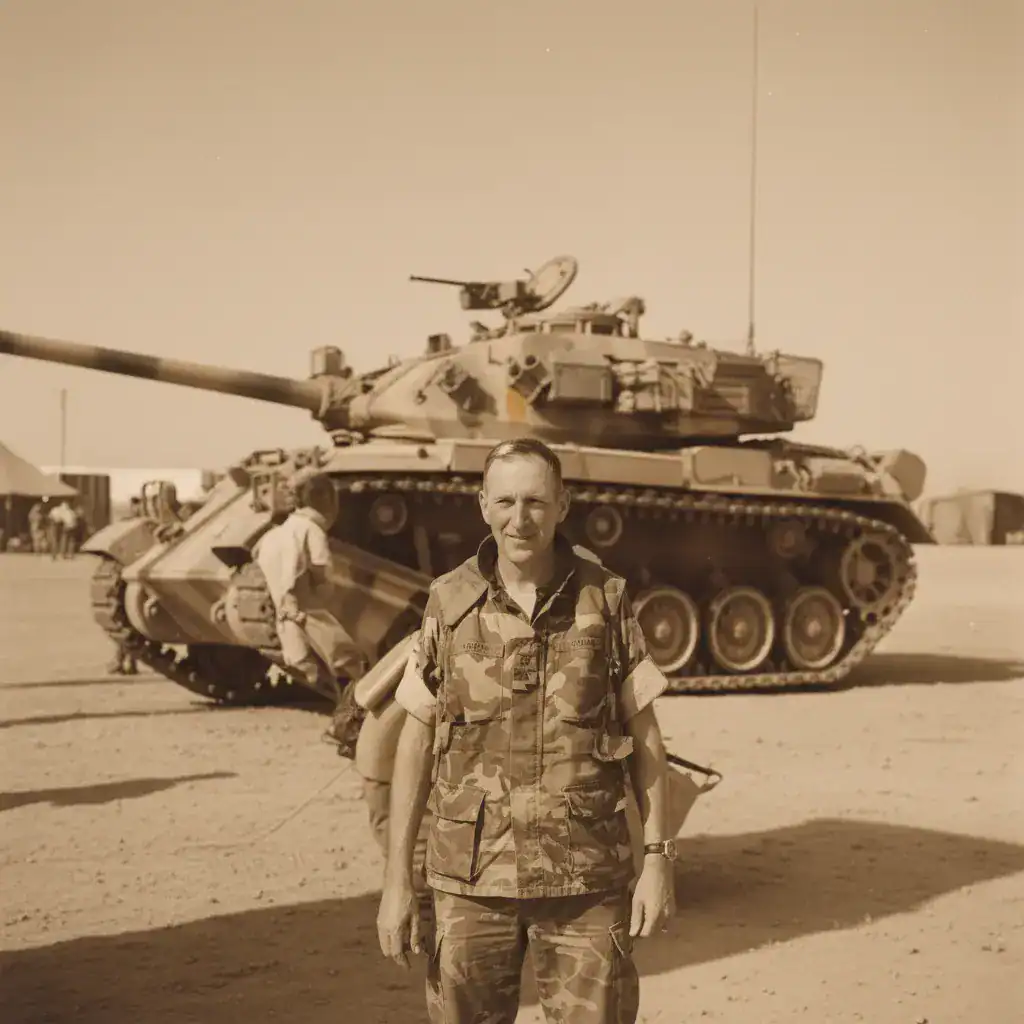
The crisp Athens air carried a familiar ache for Melia Winter Collier, a pain that, despite the passage of over four decades, remains as sharp as the day it first struck. At 25, she was left to navigate a world without her husband, William Winter, a Marine lost in the 1983 Beirut bombing. Now, as new military families grapple with similar devastating losses, Melia’s story emerges as a poignant testament to enduring grief and unexpected resilience.
A Countdown Interrupted: The Beirut Bombing
In May of 1983, William Winter deployed to Beirut on a peacekeeping mission, a routine deployment that promised a joyous return for Thanksgiving. “They were all counting down the days and, you know, daddy’s going to be home for Thanksgiving,” Melia recounted, her voice tinged with a distant sorrow. But that countdown was brutally interrupted just two weeks before his scheduled return. A Hezbollah suicide bomber drove a truck into the Marine Corps barracks, a horrific act that claimed 241 American lives and injured 60 others.
The morning of October 23, 1983, remains etched in Melia’s memory. “The bomb went off on, you know, at 6 a.m. on the 23rd on a Sunday morning,” she recalled, the scene vivid in her mind. “And you sit there and you watch the news. They kept rolling all the names of the dead. You just stared, you’re just glued to it looking for his name.” The agonizing wait for confirmation stretched on for weeks, a cruel limbo that only deepened the trauma.
The Unseen Scars of War: A Coffin and a Memory
The call finally came from a U.S. Marine Colonel, confirming William’s death. His remains, however, were never recovered. “They just said he was supposed to have been in that building at that time. ‘Here’s a coffin. Bury it.’ And you just say, ‘Yes, sir,'” Melia said, a chilling reminder of the cold, impersonal nature of war’s aftermath. William Ellis Winter was posthumously promoted to major and awarded the Purple Heart, his dress blues and other service memorabilia now housed at the Veterans Memorial Museum in Athens, silent tributes to a life cut short.
For Melia, October 23, 1983, is more than a date; it’s a frozen moment in time. “It’s always a piece of your heart that’s gone. And you try to hold it down, and sometimes you just can’t; it won’t stay in the box,” she confessed, her words echoing the sentiments of countless grieving spouses. William, in her eyes, was a “marine’s marine,” a man whose legacy lives on through their now-grown children, Michael and Amanda, and a family that has found a way to honor his memory while building a happy life.
Finding Solace in Empathy: A Message to New Grievers
Today, as headlines report new military casualties, Melia’s heart aches for the families facing the same devastating loss she experienced. “There’s no right or wrong way to grieve. There’s no time limit on it,” she advises, her voice a beacon of hard-won wisdom. “Don’t let somebody tell you there is or how to do it.”
Perhaps the most profound aspect of Melia’s journey is her lack of anger towards her husband’s killer. “No, I’m not [mad]. I wish that hadn’t happened,” she stated simply. “You can’t have all that hate in your heart; it’s not healthy. I told my kids their dad died for his God and his country.” This remarkable capacity for forgiveness, born from immense suffering, offers a powerful message of healing.
The Athens Vietnam Veterans group plans to expand the Alabama State Welcome Center memorial later this year to include other wars. Under the War on Terror monument, only two names will be inscribed, and one of them will be William Winter, a permanent tribute to an Athens hero whose sacrifice continues to resonate through the lives he touched.
Source: https://whnt.com/news/athens/the-pain-never-goes-away-athens-widow-reflects-on-1983-beirut-bombing-as-new-military-families-grieve/