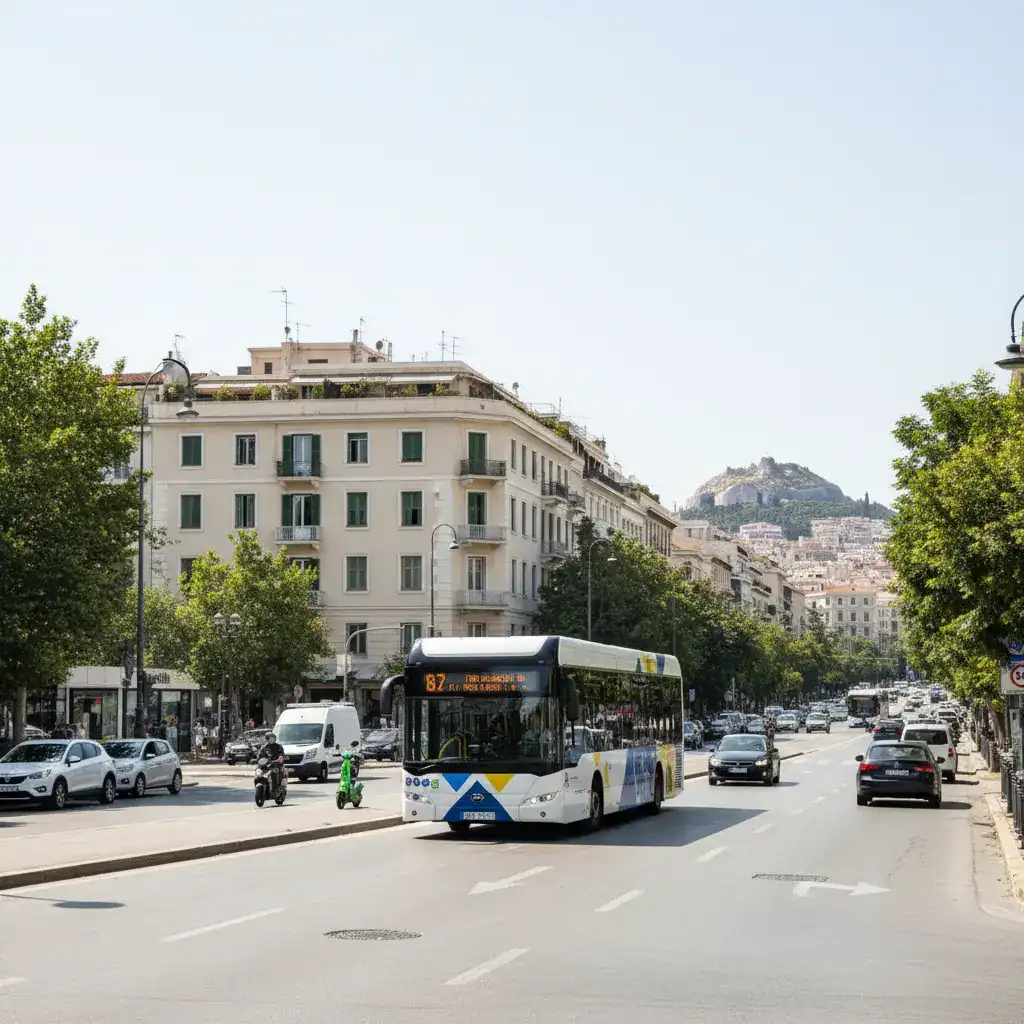
Athens Moves Forward with New Electric Bus Network to Revolutionize City Transportation
Athens, March 23, 2026 – The city of Athens is poised to introduce a transformative new municipal transportation network, dubbed ‘Athens Move.’ This ambitious project, approved by OASA, will see the deployment of 17 electric buses across 4 new lines, serving a total of 185 stops. The initiative, with a budget of €11.2 million, is designed to significantly enhance urban mobility, particularly in underserved neighborhoods, and promote sustainable transport within the Greek capital.
Addressing Local Connectivity Gaps with Strategic Routes
The new ‘Athens Move’ network is specifically engineered to fill existing gaps in local transportation, improving the connection between various Athenian neighborhoods and key public transport hubs, crucially, without routing through the city center. The four new lines will link the following areas:
- Neos Kosmos – Petralona – Kerameikos
- Kato Patisia – Sepolia – Kerameikos
- Promponas – Ano Patisia – Kypseli
- Attiki – Kypseli
These routes will span approximately 40 kilometers in total and are scheduled to operate seven days a week, year-round. This supplementary system is expected to work in conjunction with OASA and the Metro, primarily boosting neighborhood travel and providing new links to areas previously considered difficult to access.
A Comprehensive Investment in Sustainable Mobility and Accessibility
The €11.2 million budget for ‘Athens Move’ extends beyond just the procurement of electric buses. A significant portion of the investment is allocated to developing essential charging infrastructure for these electric vehicles. Furthermore, a major focus is on upgrading bus stops to ensure full accessibility. The new stops will feature amenities such as shading, seating, lighting, and facilities designed to facilitate access for people with disabilities and the elderly.
A core component of the plan is the reinforcement of sustainable mobility throughout the city. Alongside the new bus lines, the project envisions the creation of local multimodal hubs at selected stops and squares. These hubs will seamlessly integrate public transport with pedestrian movement, cycling, and other forms of micro-mobility. The design also incorporates environmental enhancements, including new plantings and additional shading, contributing to a greener urban landscape.
Environmental and Social Benefits Anticipated
The Municipality of Athens anticipates that the new network will play a crucial role in reducing the reliance on private vehicles, thereby lowering transportation costs for citizens and significantly decreasing CO₂ emissions. Concurrently, the initiative is expected to strengthen the social and spatial cohesion of the city by providing improved access to transportation for residents in areas that have historically been inadequately served.
In a statement, Athens Mayor Haris Doukas emphasized that ‘Athens Move’ represents another significant step for Athens towards establishing a modern and complementary transportation system. He highlighted the project’s focus on easier citizen access, reducing traffic congestion, and fostering a more friendly and accessible city environment.
This initiative underscores Athens’ commitment to evolving its urban infrastructure to meet contemporary demands for efficiency, sustainability, and inclusivity in public transportation.
Source: ypodomes.com