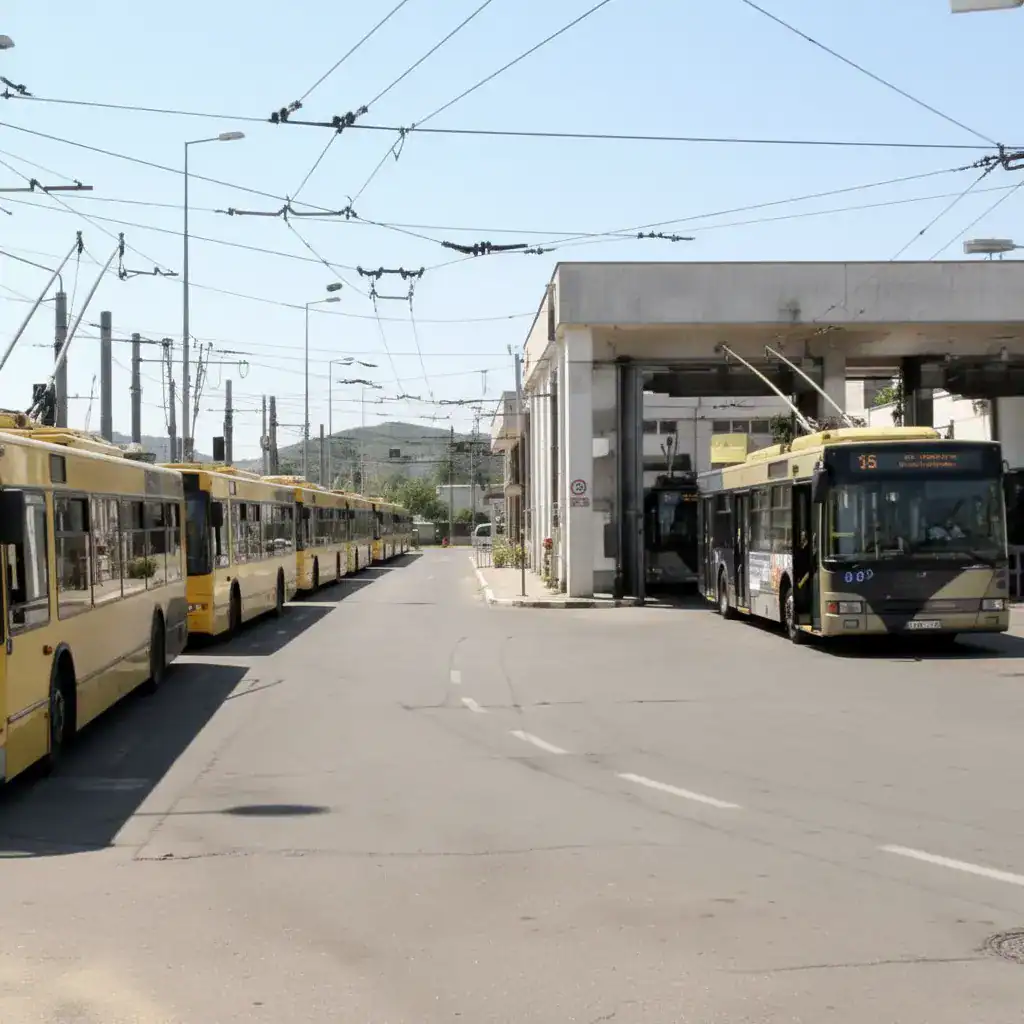
Greece has initiated a significant modernization of its urban transport infrastructure, commencing the replacement of its traditional trolleybus network with a fleet of fully electric buses. The rollout began on Sunday in the port city of Piraeus, where over 70% of the overhead wire infrastructure is currently being dismantled. As of Monday, trolleybus routes 17 and 20 have been officially converted to electric bus operations.
Modernization Efforts Praised by Government and Local Leaders
This strategic shift is being hailed by officials as a crucial step towards establishing a more contemporary, economically efficient, and aesthetically improved transport system for the broader Athens metropolitan area.
Konstantinos Kyranakis, Greece’s Deputy Minister of Infrastructure and Transport, commented on the transition, stating, “The same clean energy that powered trolleybuses for decades can now be delivered through electric buses.”
Piraeus Mayor Giannis Moralis expressed his support for the change, highlighting both the financial and visual benefits for the city. “This will save money for citizens and the state,” Moralis remarked. “It brings modernization and an aesthetic upgrade to the city.”
Worker Concerns Regarding Vehicle Lifespan
Despite the widespread enthusiasm, the transition is not without its critics. Giorgos Gioldasis of the Trolleybus Workers’ Union raised concerns about the longevity and replacement costs associated with electric buses. Gioldasis noted that while electric buses offer clear advantages, their operational lifespan is typically shorter, leading to higher long-term replacement expenses.
“An electric bus will need a full battery replacement within eight years, costing around €100,000 per vehicle,” he explained, contrasting this with a trolleybus’s ability to remain in service for up to 24 years without requiring such significant intervention.
Projected Major Cost Savings
Notwithstanding these concerns, transport authorities are emphasizing the substantial financial advantages of the new system. According to data provided by the Athens Urban Transport Organization (OASA), the operational cost of a trolleybus is approximately €5.5 per kilometer, whereas an electric bus costs only €2.5 per kilometer. This represents a reduction of over 50% in operating expenses.
The move is projected to generate savings of approximately €20 million solely from reduced maintenance and network-replacement expenditures.
Expansion of Tram Service Enabled
An additional benefit of removing the overhead cables in Piraeus is the facilitation of an expanded tram service. Upon the completion of the cable dismantling, the tram will be able to extend its route to its terminal stop directly outside the port. This has been a long-anticipated improvement for one of Greece’s most active transit hubs, promising enhanced connectivity and efficiency.
The transition underscores a broader commitment by Greek authorities to embrace sustainable and modern transport solutions, aiming to improve urban mobility and reduce environmental impact across the region.
Source: https://www.tovima.com/society/athens-replaces-trolleybus-network-with-electric-buses/