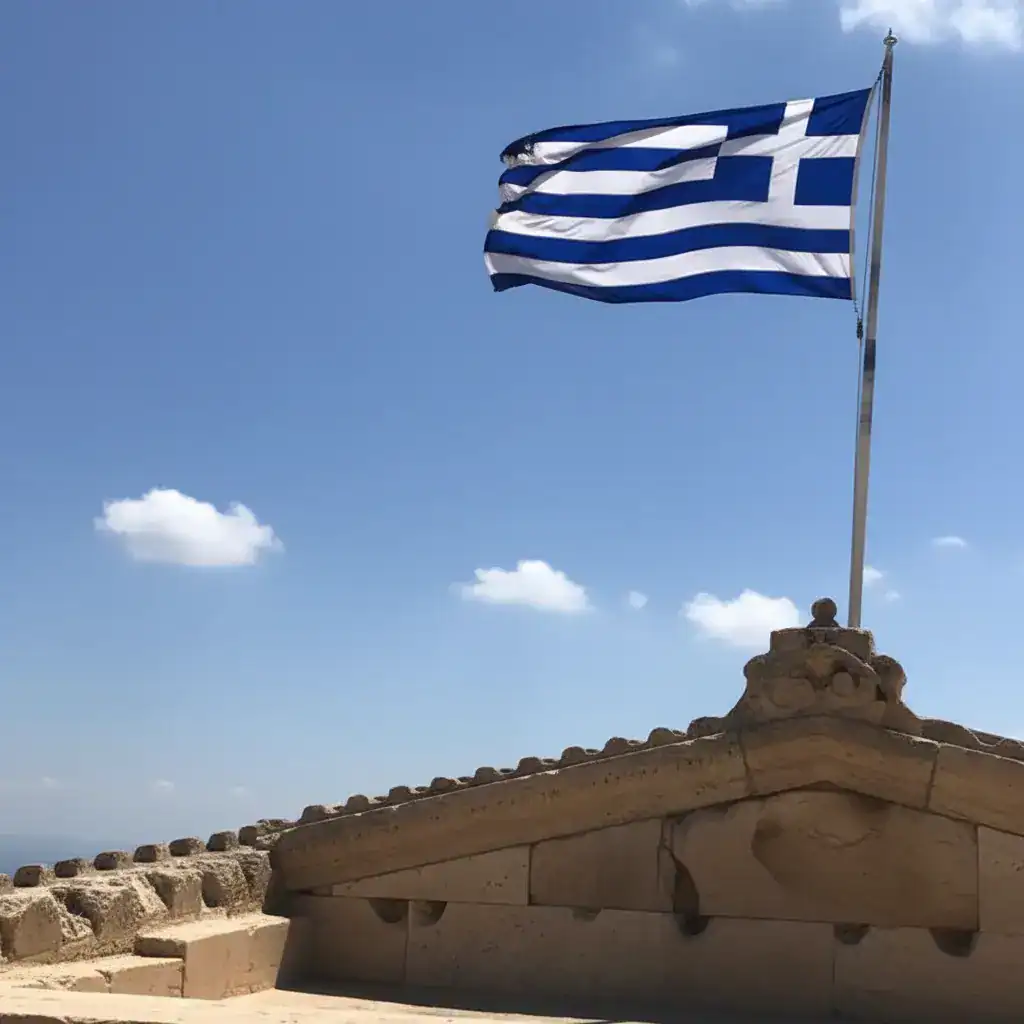
Athens, Attica, Greece – Greece is poised to unveil a comprehensive diplomatic roadmap aimed at revitalizing its relationship with Albania. This strategic initiative will be formally presented by Greek Foreign Minister Giorgos Gerapetritis to his Albanian counterpart, Eliza Spiropali, during her inaugural official visit to Athens on December 16.
A Renewed Push for Bilateral Dialogue and EU Integration
This diplomatic overture is a direct response to the re-election of Albanian Prime Minister Edi Rama and his renewed commitment to Albania’s European Union accession by 2030. The timing is particularly significant as it precedes Greece’s presidency of the Council of the EU in 2027, a period during which Tirana hopes to finalize its membership negotiations. Athens views this alignment as a crucial opportunity to accelerate both technical discussions and broader political coordination between the two nations.
Addressing Long-Standing Sensitive Issues
The Greek framework is meticulously designed to tackle a range of sensitive issues that have historically shaped the bilateral agenda. These include:
- Albania’s EU Accession Process: Greece intends to play a pivotal role in facilitating Albania’s path to EU membership, leveraging its upcoming presidency to champion faster integration of the Western Balkans.
- Connectivity and Cooperation: The plan emphasizes enhanced cooperation in vital sectors such as infrastructure and energy, aiming to strengthen regional ties and economic stability.
- Maritime Border Dispute: The unresolved issue of the maritime border in the Ionian Sea, which both countries agreed in 2020 to refer to the International Court of Justice, remains a key focus. The evolving regional energy landscape, marked by new projects in the Adriatic and Mediterranean, is providing renewed impetus for a resolution.
Foreign Minister Gerapetritis has already communicated Greece’s intent to its EU partners, signaling a commitment to launch a new initiative for accelerated integration of the Western Balkans during its 2027 presidency. This strategic approach is seen by Greek diplomacy as essential for mitigating instability, curbing the rise of nationalism, and ensuring long-term security across Southeast Europe.
The Role of Greece’s EU Presidency in Western Balkans Integration
The confluence of Albania’s aspiration to advance towards EU membership in 2027 and Greece’s leadership of the Council of the EU positions Athens to exert significant influence over enlargement decisions. This presents a unique window of opportunity to not only expedite technical negotiations but also to foster deeper political coordination, ultimately contributing to a more stable and integrated European continent.
Source: https://www.bgnes.com/politics/athens-prepares-new-plan-for-relations-with-tirana-ahead-of-albanian-foreign-minister-s-visit