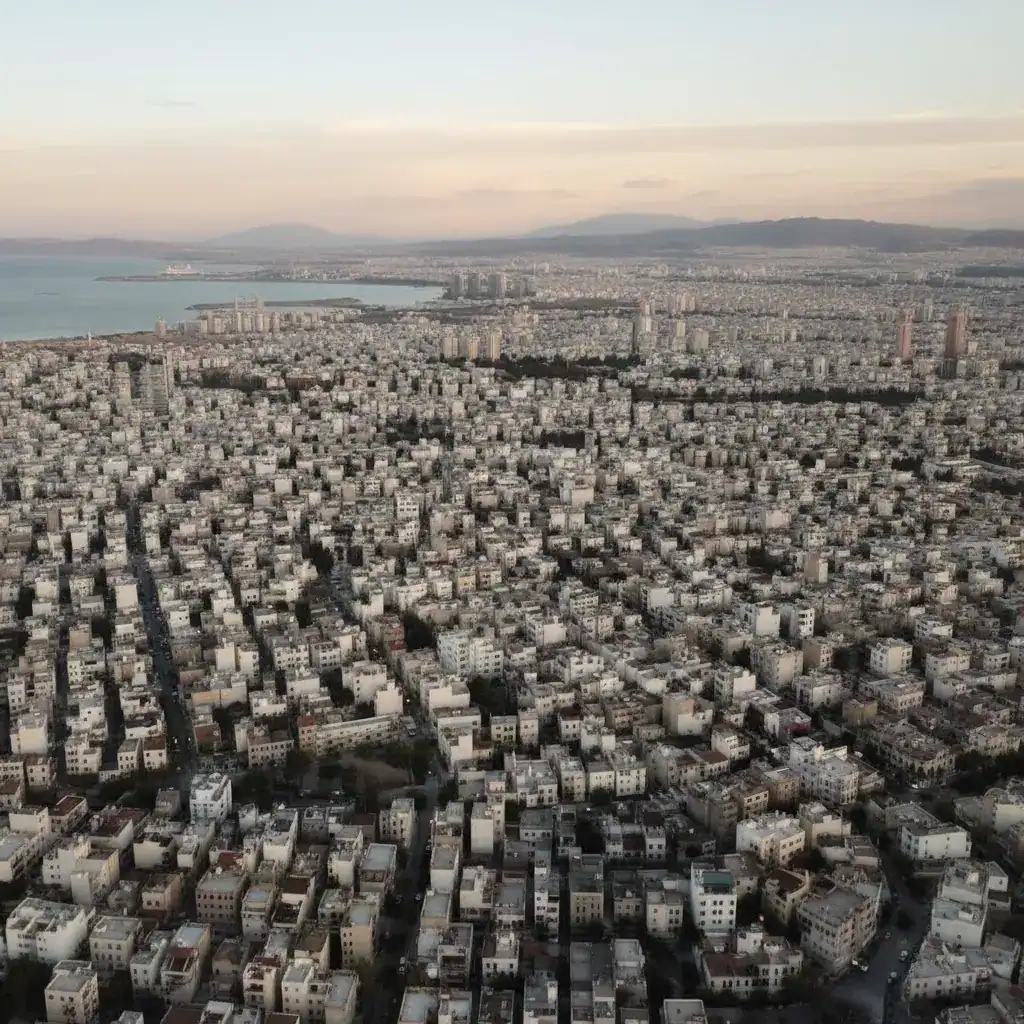
The bustling metropolis of Athens, a city grappling with housing demand and rising rental costs, faces a stark and unsettling reality: over a quarter of its residences lie empty. This paradoxical situation, brought to light by a comprehensive study conducted by ReDataset of the Resolute Cepal Greece group, utilizing data from the ELSTAT building inventory, paints a grim picture of urban decay and systemic inefficiencies within the housing market.
A Tale of Two Cities: Urban Centers vs. Suburbs
The study highlights a significant disparity between the urban centers of Athens and Piraeus and the later-developed areas of Attica. In the heart of the capital, particularly within the Municipality of Athens, a staggering 117,137 vacant homes account for 26.8% of the total housing stock. Piraeus follows closely with 22.1% of its homes, or 21,712 properties, standing empty. Other densely populated areas like Peristeri (13,212 vacant properties) and Zografou (almost 10,000 vacant properties, or 21.6%) also exhibit high concentrations of unoccupied residences, despite Zografou’s strong rental demand driven by its university campus.
Conversely, the northern and southern suburbs, which experienced development later in the 20th century, present a different scenario. In these areas, the number of empty houses is notably lower, both in absolute terms and as a percentage of the total housing stock. For instance, while Kifissia in the northern suburbs shows a relatively high 18.4% vacancy rate (6,441 homes), other popular areas like Vrilissia and Agia Paraskevi maintain rates below 9% and 10.2% respectively. This stark contrast underscores a critical observation: lower and middle-income areas bear a disproportionately higher burden of vacant homes compared to their higher-income counterparts.
Who Owns the Emptiness?
The ownership of these vacant properties is diverse, ranging from private individuals to public bodies, including entities within the broader public sector, and even portfolios held by banks and debt management companies (servicers). This fragmented ownership structure complicates efforts to bring these properties back into active use, as each category presents unique challenges and motivations.
The Costly Dilemma of Revitalization
Despite governmental incentives aimed at reintroducing these properties to the market, the study casts doubt on the effectiveness of such measures, primarily due to the prohibitive costs involved. The expense of renovating and maintaining older properties, coupled with bureaucratic hurdles, often outweighs the potential returns for owners, leaving many units in a state of disuse. This economic reality creates a significant barrier to addressing the vacancy crisis, transforming what could be a solution to housing shortages into an intractable problem.
Beyond the Numbers: A Symptom of Deeper Issues
The high vacancy rates in Athens are not merely a statistical anomaly; they are a symptom of deeper systemic issues within urban planning, economic policy, and social equity. The concentration of empty homes in central, often historical, districts suggests a failure to adapt urban spaces to contemporary needs and economic realities. It reflects a disconnect between housing supply and genuine demand, where properties are held as assets rather than utilized as homes. This situation exacerbates housing affordability issues, particularly for students and low-income families, and contributes to the overall decline of urban centers.
A Call for Strategic Urban Regeneration
Addressing this crisis requires a multi-faceted approach that goes beyond superficial incentives. It necessitates a strategic vision for urban regeneration that prioritizes the revitalization of central districts, encourages responsible property ownership, and provides targeted support for renovations. This could involve:
- Revisiting Property Taxation: Implementing progressive property taxes that penalize long-term vacancies could incentivize owners to either sell or rent out their properties.
- Streamlining Bureaucracy: Simplifying the legal and administrative processes for property renovation and rental could reduce barriers for owners.
- Targeted Subsidies for Renovation: Providing financial assistance for the renovation of vacant properties, particularly in low-income areas, could make it economically viable for owners to bring them back to the market.
- Promoting Affordable Housing Initiatives: Developing robust affordable housing programs, including social housing and student accommodations, could alleviate pressure on the private rental market.
- Combating Speculation: Implementing measures to curb real estate speculation, which often leads to properties being held vacant for extended periods, could help stabilize the market.
The challenge of Athens’ empty homes is a complex one, deeply intertwined with the city’s economic, social, and historical fabric. It demands a holistic and forward-thinking approach that acknowledges the intricate interplay of market forces, urban development, and social responsibility. Without a concerted effort to address the root causes of this vacancy crisis, Athens risks further exacerbating its housing challenges and undermining the vibrancy of its urban core.
The question remains: will Athens rise to the occasion and transform its empty spaces into vibrant homes, or will these silent witnesses continue to stand as a testament to missed opportunities and urban decay?
Source: https://www.ekathimerini.com/economy/real-estate/1287271/a-quarter-of-houses-in-athens-are-empty/