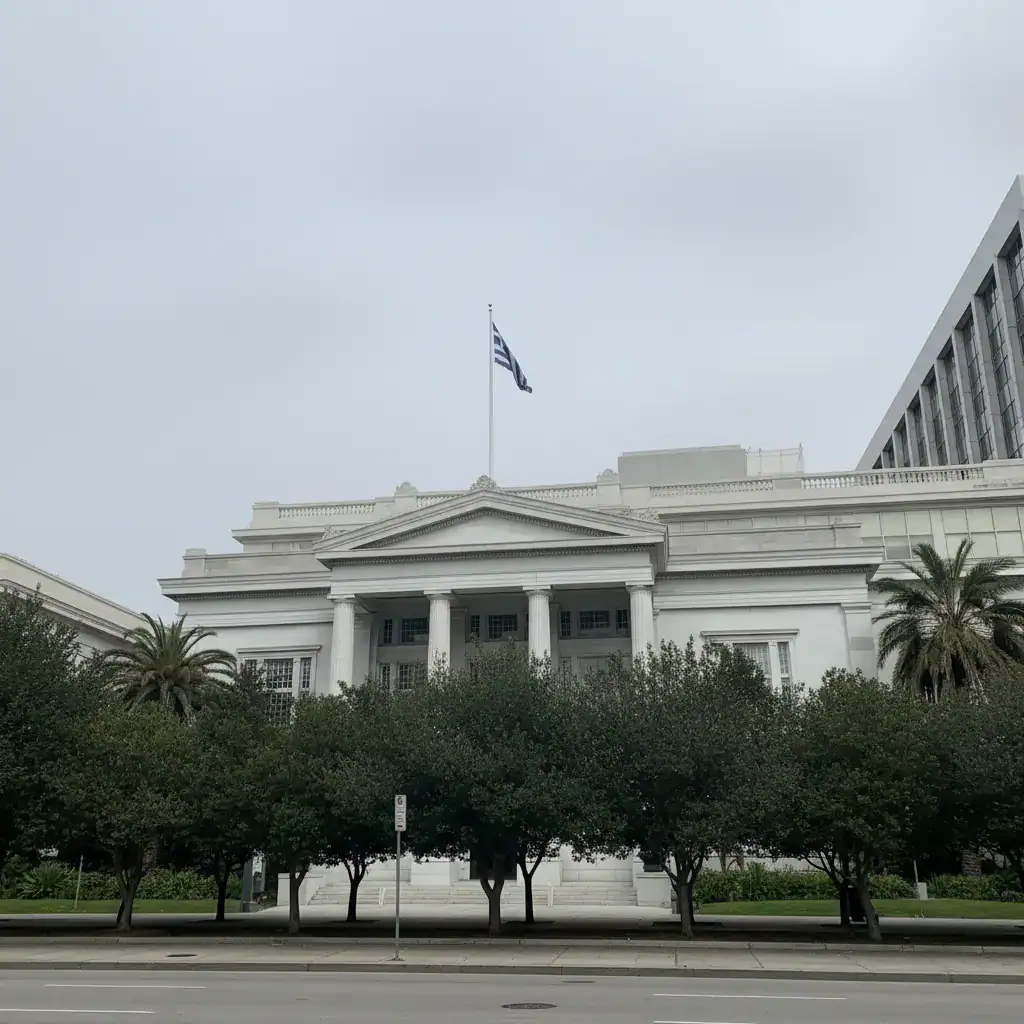
Athens, November 19 – Greece is set to allocate approximately €20 million to support the extensive preparations and operations for its upcoming rotating presidency of the Council of the European Union in the second half of 2027. This significant budget aims to ensure the smooth execution of all responsibilities associated with the presidency, a pivotal role in the European political landscape.
Funding Breakdown and Allocation
According to an explanatory report issued by the General Accounting Office, which accompanies the relevant draft legislation, the total funding of €20 million will cover all preparatory and organizational work required for the presidency. The allocation of funds is planned across two fiscal years: approximately €7 million will be drawn from the 2026 state budget, with the remaining €13 million sourced from the 2027 budget. The Ministry of Foreign Affairs will be responsible for funding the entire amount, underscoring the national importance placed on this endeavor.
Key Areas of Investment
The substantial budget is earmarked for several critical areas to facilitate a successful presidency. These include:
- Establishment and Operation of a New EU Presidency Office: A dedicated office will be created to manage and coordinate all presidency-related activities.
- Purchase of Necessary Equipment: This covers technological infrastructure, office supplies, and other essential tools required for the office’s efficient functioning.
- Hosting of European Officials: Funds will be allocated for accommodating and facilitating visits from European dignitaries and officials during the presidency period.
- Organization of Cultural and Scientific Events: Greece plans to host a series of events to promote European culture and foster scientific exchange, leveraging its rich heritage.
- Communication Efforts: A portion of the budget will be dedicated to strategic communication campaigns to disseminate information and engage with the public and stakeholders.
- Official Travel: Expenses related to official travel for Greek representatives participating in EU meetings and events will be covered.
- Salaries of Seconded Civil Servants: The budget will fund the remuneration of civil servants temporarily assigned to the presidency office.
- Fixed-Term Project Contracts: Additional personnel may be hired on a project basis to address specific urgent requirements and ensure adequate staffing.
The Role of the New EU Presidency Office
Under the proposed legislation, the EU Presidency Office will operate as an autonomous directorate within the Ministry of Foreign Affairs. Its primary responsibilities will encompass the coordination, planning, and implementation of all actions necessary to ensure the effective and seamless operation of the presidency. This structure is designed to provide a centralized and efficient mechanism for managing the complex demands of the EU presidency.
Leadership and Staffing
The office will report directly to the foreign minister, who will be responsible for appointing its head. This direct reporting line emphasizes the high-level oversight and strategic importance of the presidency. The office is scheduled to remain operational until January 31, 2028, extending beyond the six-month presidency period to facilitate a smooth handover and wrap-up of activities.
Staffing for the new office will primarily be drawn from secondments within the Ministry of Foreign Affairs and other public agencies. This approach ensures that experienced and knowledgeable civil servants, including senior officials, are involved in the presidency’s execution. Furthermore, the bill allows for the option of additional project-based contracts, providing flexibility to address any urgent or specialized staffing needs that may arise during the intense period of the presidency.
This significant financial commitment from Athens underscores Greece’s dedication to fulfilling its responsibilities as the incoming president of the Council of the European Union, aiming to host a successful and impactful term.