In the heart of Athens, a significant urban transformation is underway as the city prepares to unveil its first organized Food Hall at the historic Arsakeio Mansion, located on Stadiou Street. This ambitious project, backed by a €20 million investment, is now nearing completion after experiencing several delays, primarily due to the pandemic. The launch of this food market represents a pivotal urban regeneration initiative in the city center, designed to redefine the gastronomic landscape for both tourists and local residents.
Arsakeio Mansion: A Modern Gastronomic Landmark
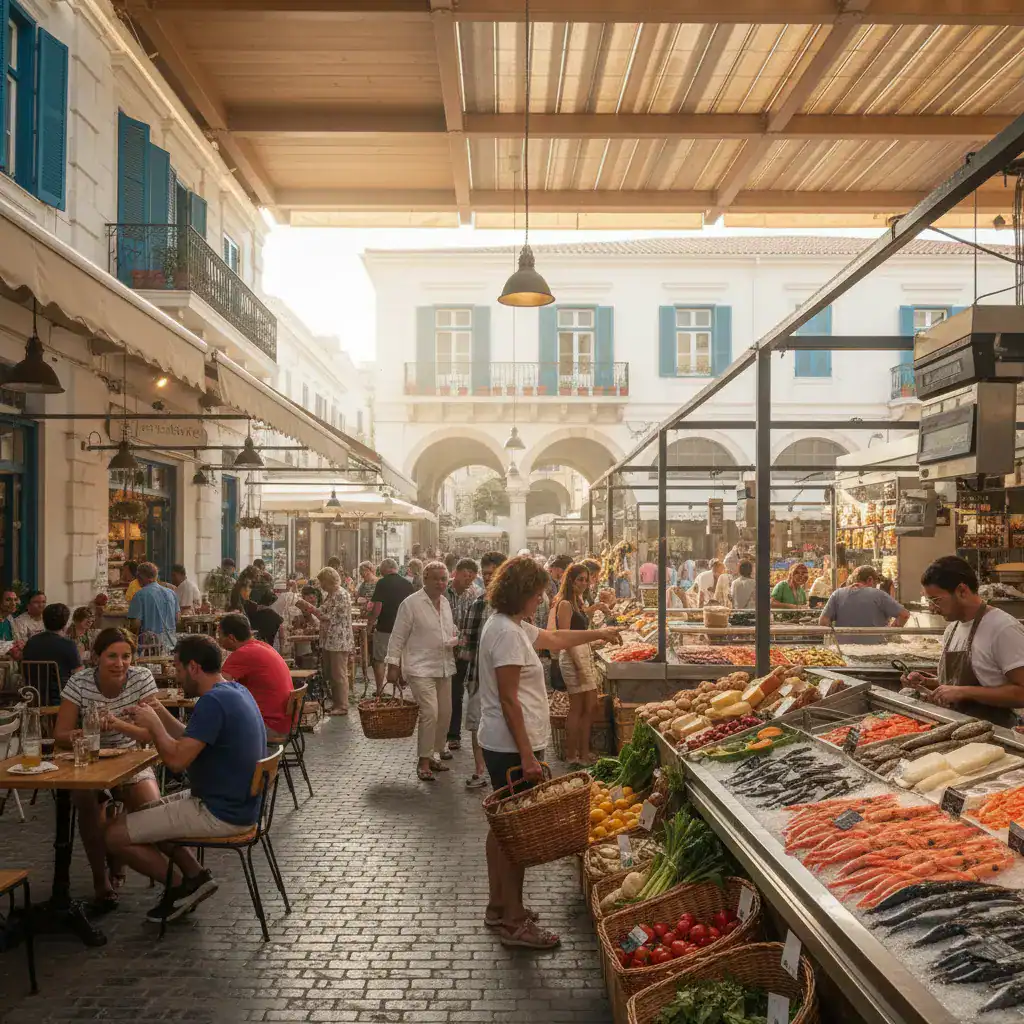
The new food hall is poised to become a modern gastronomic landmark, drawing inspiration from successful models in major European cities such as Berlin and Paris. Situated within the historic block bordered by Stadiou, Panepistimiou, Pesmazoglou, and Arsaki streets, this multifunctional space will seamlessly combine dining, retail, and cultural experiences. This innovative approach offers an immersive and diverse environment that harmoniously blends Athens’ rich historical heritage with contemporary urban development. Visitors can anticipate a wide array of culinary offerings, featuring both local Greek delicacies and international cuisine, making it an exciting destination for food enthusiasts and travelers alike.
Athens: A Culinary Destination for Locals and Tourists
The establishment of the Arsakeio Mansion food hall is indicative of a broader trend in Athens and other Greek cities, where food markets are increasingly becoming central to the urban cultural and tourism offerings. As a destination that already attracts millions of tourists annually, Athens continues to evolve by introducing new experiences that integrate the city’s profound history with modern amenities.
For tourists, the food hall presents an unparalleled opportunity to sample a diverse range of local flavors, from fresh Mediterranean seafood to classic Greek dishes. This development further solidifies the city’s growing reputation as a culinary hotspot in Europe, characterized by a vibrant street food scene, innovative dining concepts, and traditional restaurants that collectively contribute to a thriving gastronomy sector.
Beyond its culinary appeal, the Arsakeio Mansion project offers visitors a unique chance to engage with the city’s rich architectural heritage. The historic mansion, which has undergone meticulous restoration, provides a stunning backdrop for this contemporary culinary venture. For travelers, this juxtaposition of the old and the new offers a distinctive way to connect with Athens’ cultural identity.
Urban Regeneration Beyond Athens: Thessaloniki and Piraeus
The momentum driving Athens’ food hall project is part of a larger movement of urban regeneration efforts sweeping across Greece’s major cities, including Thessaloniki and Piraeus. These cities are also undertaking substantial redevelopment initiatives aimed at attracting tourists and enhancing the quality of life for their residents.
Thessaloniki, Greece’s second-largest city, is renowned for its rich Byzantine history, dynamic arts scene, and vibrant food culture. In recent years, the city has witnessed a surge in new development projects, including modern dining spaces, revitalized public squares, and cultural venues that aim to merge contemporary design with the city’s historic charm. Much like Athens, Thessaloniki is strategically leveraging its culinary traditions and historical sites to bolster its tourism appeal and stimulate the local economy.
Piraeus, a short distance from Athens, is also undergoing significant revitalization to improve its tourism infrastructure. As the primary gateway to Greece’s islands, Piraeus serves as a crucial hub for visitors. The city is investing in upgrading its waterfront and transportation facilities to become a more attractive destination for both cruise passengers and local inhabitants. Piraeus is also actively exploring opportunities in gastronomy tourism, with new restaurants, markets, and food festivals gaining increasing popularity.
The Role of Food Halls in Modern Tourism
Food halls have emerged as a key component of modern tourism, offering visitors an immersive opportunity to sample diverse cuisines and authentically engage with local food culture. These multi-use spaces transcend mere dining establishments; they function as social hubs, cultural centers, and communal gathering places where both locals and tourists can connect and interact.
The concept of food halls is particularly attractive to travelers seeking to experience the essence of a city’s culinary identity in a single location. By featuring multiple food vendors under one roof, a food hall allows visitors to sample a variety of local flavors without the need to traverse the entire city. This convenience is a significant draw for tourists aiming to maximize their time while exploring a new destination.
In addition to their culinary offerings, food halls frequently host art exhibitions, live music, and various entertainment, creating an immersive atmosphere that significantly enhances the overall visitor experience. This makes them ideal destinations for tourists looking to engage with the local culture in a more authentic and interactive manner.
Impact on Local Communities and the Tourism Economy
As these food halls and urban regeneration projects continue to be rolled out across Athens, Thessaloniki, and Piraeus, they are expected to have a profound positive impact on the local economies. By attracting both domestic and international visitors, these projects are instrumental in creating new job opportunities, stimulating local businesses, and generating substantial tourism revenue. For instance, the opening of the Arsakeio Mansion food hall will create new avenues for local food vendors, artisans, and performers, thereby contributing to the economic vibrancy of the area.
Furthermore, by integrating tourism with cultural and culinary experiences, these projects foster a sustainable form of tourism that directly benefits local communities. Visitors are encouraged to engage with the authentic local culture, whether through sampling regional food, purchasing locally made goods, or attending cultural performances.
Looking Ahead: A Brighter Future for Greece’s Tourism Sector
As Greece continues to invest in urban regeneration and cultural tourism, the cities of Athens, Thessaloniki, and Piraeus are strategically positioning themselves as premier destinations for both leisure and business travelers. The integration of food markets and historical properties into these cities’ tourism strategies reflects the evolving landscape of travel, where culture, sustainability, and gastronomy play increasingly vital roles in shaping the future of tourism.
The anticipated success of these projects, particularly the Arsakeio Mansion food hall in Athens, is likely to inspire similar developments throughout the country, further solidifying Greece’s position as a leading tourism destination in Europe. For travelers, this translates into even more opportunities to experience the best of Greece’s rich culture, history, and diverse culinary delights.
Conclusion: Athens and Beyond
As Greece’s cities evolve and embrace new forms of tourism, food halls and urban regeneration efforts will remain at the forefront of this transformative period. The opening of the Arsakeio Mansion food hall in Athens is merely the beginning, offering both locals and visitors a unique opportunity to experience the best of Greek food and culture in one central location. Whether exploring Athens for its history, culture, or culinary delights, the new food market promises to be an essential stop on any travel itinerary.