Acropolis of Athens Tour Experience Rated Among Europe’s Best as Summer Visitors Deliver Exceptional Reviews Boosting Greece’s Cultural Tourism Dominance in 2026
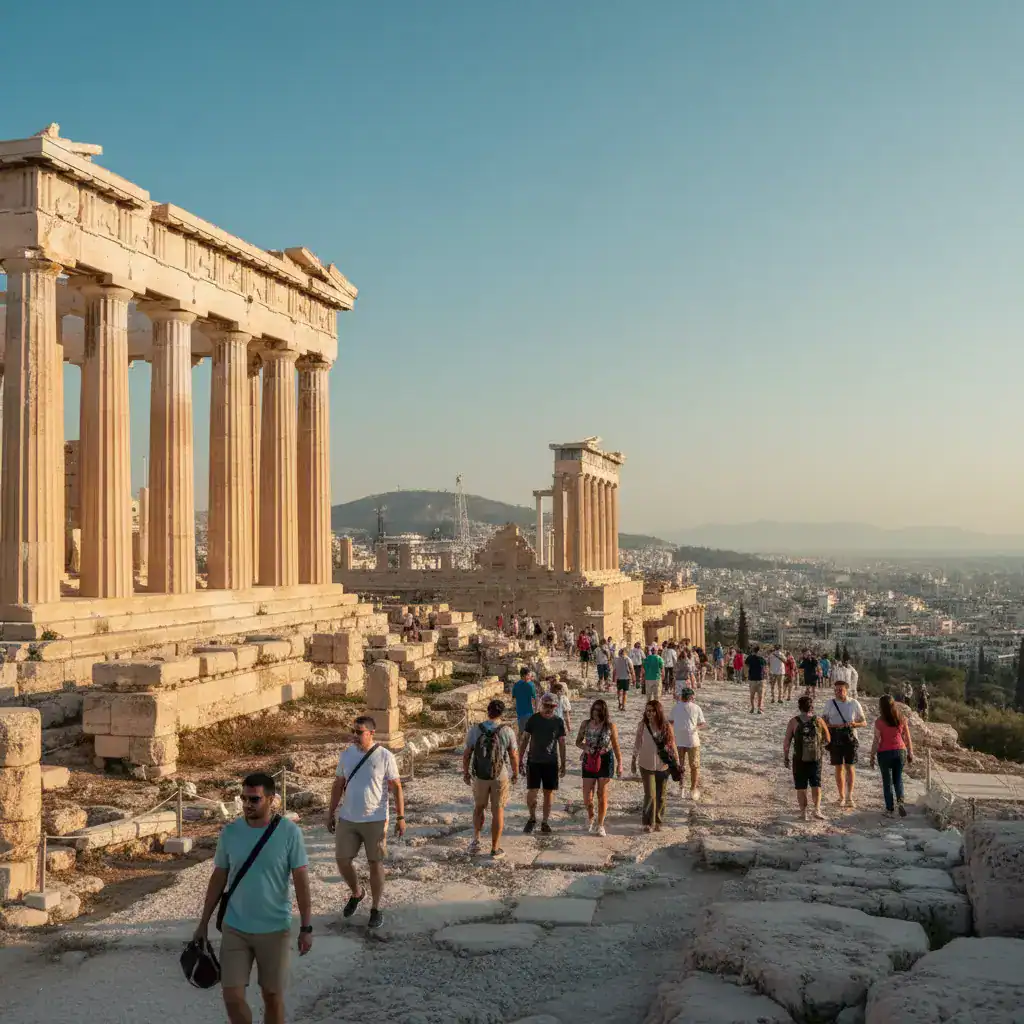
Athens, Greece – The Acropolis of Athens continues to solidify its global standing as a premier cultural tourism destination, with summer visitor feedback in 2026 highlighting exceptionally high satisfaction levels for its guided tours and overall on-site experiences. This success, supported by the Hellenic Ministry of Culture and Sport and the Greek National Tourism Organisation (GNTO), underscores the landmark’s strong visitor engagement during peak travel seasons.
As a UNESCO World Heritage Site and one of Europe’s most significant archaeological monuments, the Acropolis remains a vital component of Greece’s tourism economy. Millions of international travelers are drawn to its immersive historical experiences, which have been enhanced by improved visitor flow management, upgraded infrastructure, and enriched interpretive services.
Visitor Satisfaction Reaches New Heights
Visitor experience at the Acropolis has seen significant improvements due to structured site management policies and enhanced services implemented by Greek cultural authorities. Measures such as timed entry systems, improved signage, and regulated foot traffic have contributed to a more organized and enriching experience for summer visitors, according to operational frameworks guided by the Ministry of Culture.
The Acropolis, home to world-renowned structures like the Parthenon, Erechtheion, and Temple of Athena Nike, continues to captivate global audiences as a symbol of classical civilization. International visitor feedback consistently emphasizes the value of guided tours in deepening historical understanding and overall appreciation of the site.
Tourism authorities also credit improved infrastructure investments, including shaded rest areas, digital information systems, and seamless connectivity with the Acropolis Museum, for the heightened visitor satisfaction.
Guided Tours Enhance Cultural Understanding
Guided tours have become an indispensable part of the Acropolis visitor experience, particularly during the busy summer months. Licensed guides, accredited by the Greek Ministry of Culture, are crucial in delivering detailed narratives about the site’s historical significance, architectural evolution, and archaeological discoveries. These experiences are crafted to enhance cultural immersion by providing context on Ancient Athens, democracy, and classical Greek civilization. A growing number of visitors are opting for small-group or private tours to gain deeper insights and avoid congestion.
| Tour Type | Experience Focus | Visitor Benefit |
|---|---|---|
| Group Guided Tours | Historical overview | Structured learning experience |
| Private Tours | Personalized storytelling | Deeper cultural insight |
| Early Morning Tours | Reduced crowd density | Comfortable exploration |
| Digital Audio Tours | Self-paced learning | Flexible visitor control |
The increasing demand for diverse tour formats reflects evolving traveler expectations, especially among European and long-haul visitors seeking educational tourism experiences over passive sightseeing.
Improved Site Management Reforms for Summer Visitors
The summer tourism season in Athens typically brings high temperatures and large visitor volumes, placing considerable pressure on heritage infrastructure. In response, Greek authorities have implemented various visitor management strategies to enhance safety, comfort, and accessibility. Key improvements include regulated entry time slots during peak hours, expanded visitor pathways, and enhanced monitoring of crowd density across the archaeological site. These measures are integral to broader cultural heritage protection policies overseen by the Greek Ministry of Culture.
Furthermore, improved coordination between the Acropolis archaeological site and the adjacent Acropolis Museum has created a more integrated visitor journey, allowing tourists to move smoothly from outdoor monuments to indoor exhibitions showcasing original artifacts. These reforms have significantly contributed to higher visitor satisfaction scores and a better overall perception of the Acropolis as a world-class tourism destination.
Cultural Tourism Drives Economic and Global Interest
The Acropolis remains a cornerstone of Greece’s cultural tourism economy, attracting millions of international visitors annually and generating substantial economic value for Athens and its surrounding regions. According to national tourism frameworks supported by the Greek National Tourism Organisation, cultural tourism is one of the highest-value segments of Greece’s travel industry.
Visitors contribute not only through entry fees but also through wider spending on accommodation, dining, transport, and cultural activities across Athens. The site’s global reputation ensures consistent demand from key source markets, including the United States, United Kingdom, Germany, France, and Italy.
| Economic Impact Area | Contribution |
|---|---|
| Entry Fees | Direct heritage revenue |
| Hospitality Sector | Hotel occupancy boost |
| Local Transport | Increased mobility demand |
| Retail & Dining | Urban tourism spending growth |
The continued success of the Acropolis reinforces Athens’ position as a leading European cultural tourism hub, supported by robust infrastructure development and international connectivity.
UNESCO Heritage Status Reinforces Global Importance
As a UNESCO World Heritage Site, the Acropolis benefits from international recognition that enhances its global tourism appeal and conservation priorities. This designation ensures that preservation efforts align with international standards focused on protecting cultural integrity while enabling sustainable tourism access. Greek authorities collaborate closely with heritage organizations to balance conservation with visitor access, ensuring the site remains both protected and accessible for future generations. Restoration projects, supported by the Ministry of Culture, continue to maintain structural integrity while preserving historical authenticity. The UNESCO status also bolsters Greece’s global tourism branding, positioning the Acropolis as a must-visit destination within Mediterranean and European travel circuits.
Outlook: Central to Greece’s Cultural Tourism Strategy
Looking ahead, the Acropolis is expected to remain one of Europe’s most visited cultural attractions, supported by ongoing investments in infrastructure, digital visitor services, and heritage conservation programs. Greece’s tourism strategy continues to prioritize cultural heritage tourism as a key growth driver, with Athens serving as the primary gateway for international visitors. The combination of historical significance, improved visitor management, and strong global branding ensures that the Acropolis maintains its position as a flagship tourism asset. As global travel demand continues to recover and expand, the Acropolis is poised to benefit from sustained international interest, particularly among travelers seeking authentic cultural and educational experiences.
Source: https://www.travelandtourworld.com/news/article/ukxt2ycswwm9/