A cloud of concern has recently hung over social media in Corfu. The island’s apparent absence from the Ministry of Environment and Energy’s latest announcement regarding 10 new water scarcity projects, totaling 15 million euros, created the impression that Corfu had been excluded from the Ministry’s plans. However, the reality is far more nuanced and, in many ways, more revealing.
Corfu: Not Excluded, But Stalled
Corfu was not excluded from the program due to a lack of funding. On the contrary, it had already been included in the same Sectoral Development Program of the Ministry of Environment and Energy with two water supply projects. The first, ‘Emergency Water Supply Works in the Municipal Units of Corfu and Achilleion,’ has a budget of approximately 1.6 million euros (OPS code 5227839). The second concerns the construction of a desalination unit and associated works in Kassiopi (OPS code 5225730). Given these existing commitments, the Ministry believes Corfu already has secured funding and was therefore not included in the new 15-million-euro package.
This explanation, while technically correct, masks a significant problem: despite the allocated funds, neither project has progressed to the construction phase. This raises critical questions about bureaucratic efficiency and the actual impact of these investments on the island’s persistent water issues.
The ‘Emergency Works’ – A Modernization Effort Yet to Begin
The ‘Emergency Water Supply Works’ project was integrated into the program in early 2026. This was followed by its tendering by DEYAK, with a budget of 1,599,992 euros. The physical scope of the project primarily involves replacing approximately 8,500 meters of old water pipelines in the Municipal Units of Corfu and Achilleion. The objective is to reduce leaks and frequent network breakages, thereby modernizing the existing infrastructure and limiting water losses, rather than creating new water sources.
However, despite the tendering process, there is currently no publicly announced construction contract or notification of a contractor’s installation. All indications suggest that the project remains in the final stages of tender completion and contract signing. This delay, months after funding was secured, means that the urgent need for network modernization continues to go unaddressed, leaving residents vulnerable to ongoing supply interruptions and water wastage.
Kassiopi Desalination Unit: A Distant Prospect
The Kassiopi desalination unit project is even further behind. Although the act has been included in the program and its funding approved, no public construction tender or project assignment has been identified. The latest available administrative actions concern procedural matters of funding management rather than the commencement of works. This lack of tangible progress on such a vital project, especially in a region prone to water scarcity, is a cause for significant concern.
The paradox is thus explained: Corfu does not appear on the Ministry’s new list not because it was left without funding, but because it is considered already funded. At the same time, however, neither of the two projects appears to have transformed into an active construction site. This discrepancy highlights a critical disconnect between policy and implementation, leaving the island’s water infrastructure in a perpetual state of anticipation.
The Broader Implications: Bureaucracy and Public Trust
This situation in Corfu is not merely a local issue; it reflects a broader challenge within public administration and infrastructure development. The delay in converting secured funding into active projects undermines public trust and exacerbates existing problems. George Katsaitis, editor-director of Enimerosi and a veteran journalist, emphasizes the importance of public interest and honest mediation in journalism. This incident underscores the need for transparency and accountability in public works, especially when they concern essential services like water supply.
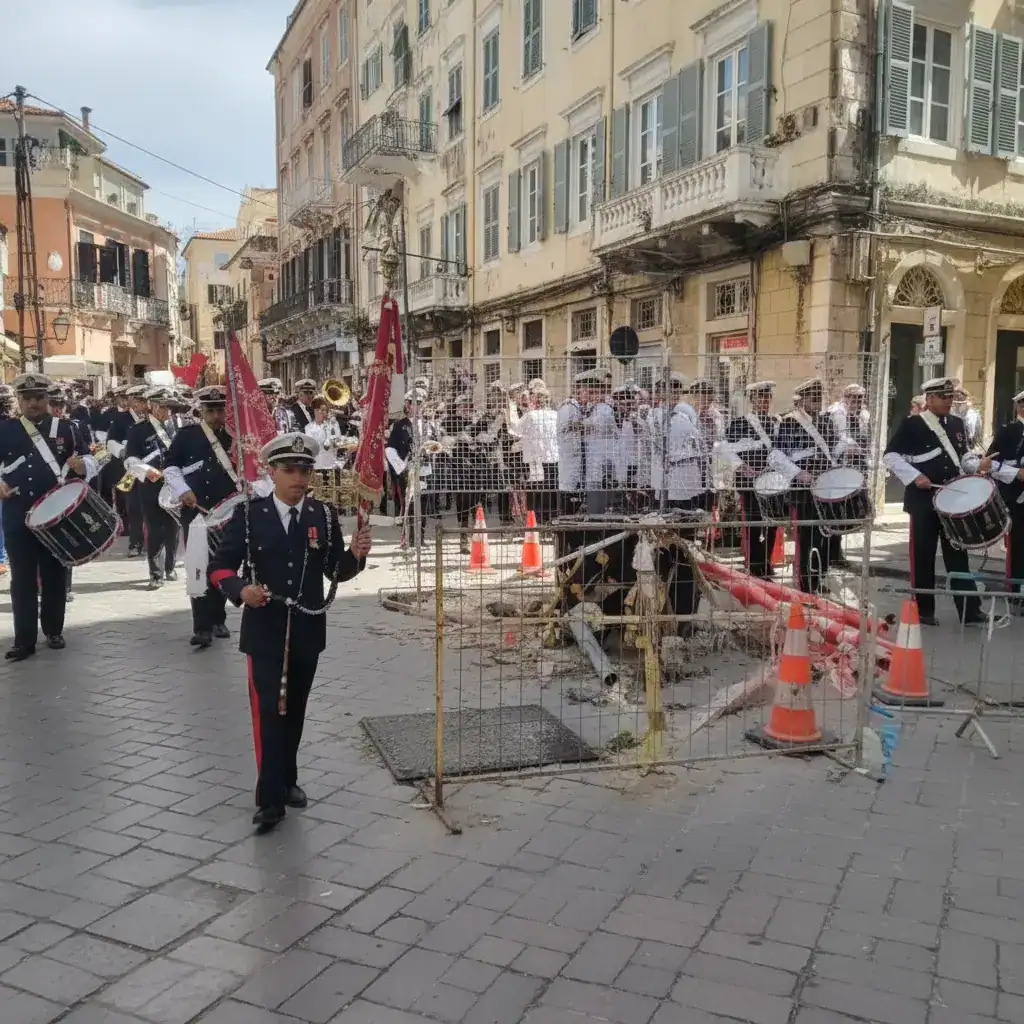
The frequent images of repair works, often accompanied by musical performances, as humorously noted in the original report, serve as a stark reminder of the current inadequate infrastructure. While these repairs are necessary, they are merely reactive measures to a systemic problem that requires proactive, long-term solutions. The delay in implementing the funded projects suggests a deeper bureaucratic inertia that prevents timely and effective action.
Lessons from Other Regions?
While the article does not explicitly compare Corfu’s situation to other regions, the underlying issue of delayed project execution despite secured funding is a common challenge in many countries. Effective project management, streamlined bureaucratic processes, and robust oversight are crucial to ensure that funds translate into tangible improvements. The question for Corfu is whether its current administrative framework is equipped to overcome these hurdles and deliver the promised water infrastructure.
The Road Ahead: When Will the Work Begin?
The core question remains: when will these vital water projects finally begin? The ongoing delays are not just a matter of inconvenience; they impact the daily lives of residents, the island’s tourism sector, and its long-term sustainability. The Ministry of Environment and Energy, along with local authorities like DEYAK, must address the bottlenecks preventing the commencement of these works. Transparency regarding the tender completion and contract signing for the ‘Emergency Water Supply Works’ and a clear timeline for the Kassiopi desalination unit are urgently needed.
The initial concern about Corfu’s exclusion from new funding packages has evolved into a more profound worry about the effectiveness of existing funding. The island’s residents deserve not just financial commitments but also visible progress and tangible improvements in their water supply. Until construction begins, the promise of better water infrastructure remains just that-a promise.
The question is not if Corfu has the money, but when it will finally put that money to work. The clock is ticking, and the need for action is growing with every passing day.