Kakomia Bay: A Tale of Unbuilt Dreams and Enduring Resistance
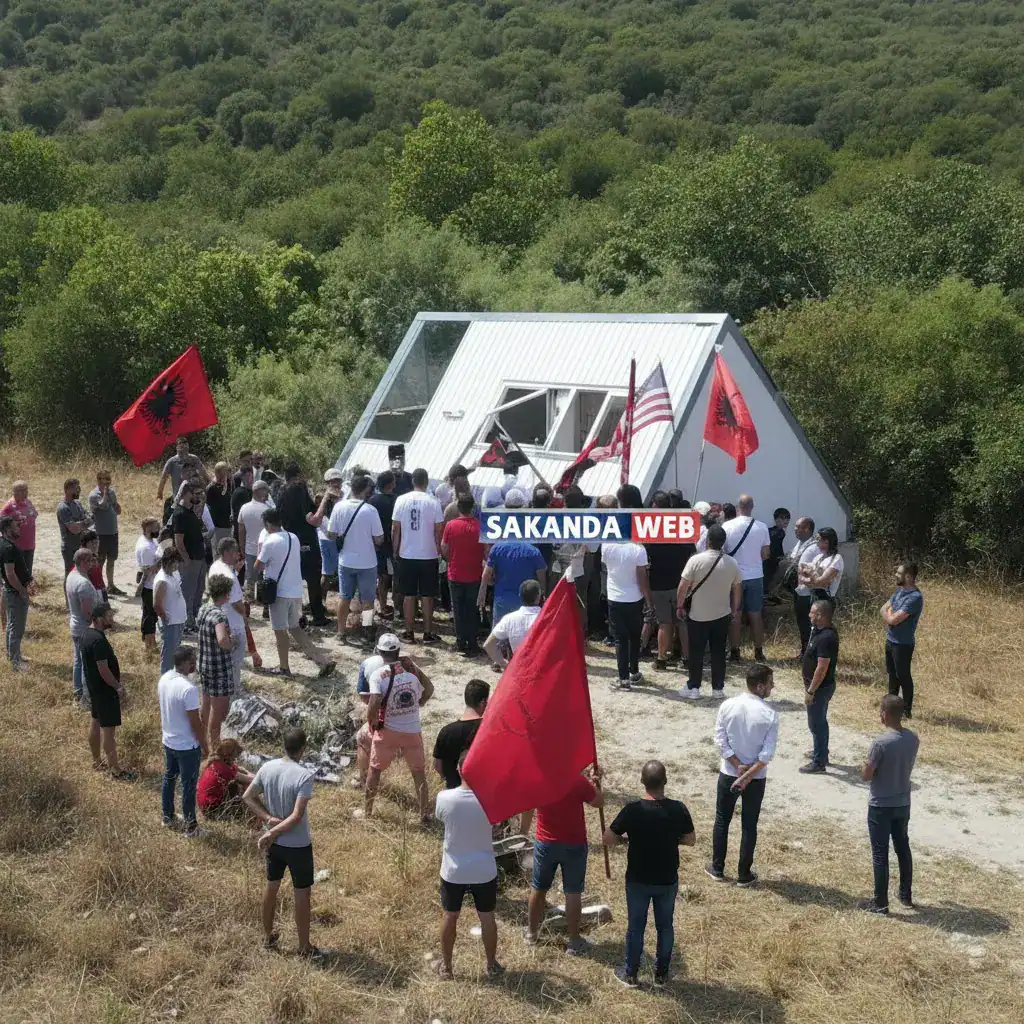
Corfu, Greece – The picturesque Kakomia Bay, nestled across from the Greek island of Corfu, has once again become the focal point of a decades-long struggle between ambitious tourism development and staunch local resistance. On Sunday, June 22, 2026, activists from the “Albania Without Fences” movement dismantled the last remaining fence enclosing a parcel of land intended for a major tourism investment, a project that locals insist is their rightful property.
The Unfulfilled Promise of Club Med
This latest act of defiance by the residents of Nivica and surrounding communities brings to light a nearly forgotten chapter in the region’s history. Decades ago, after its departure from Corfu’s facilities in Dassia, Club Med had identified Kakomia Bay as a prime location for a new, large-scale tourist resort. The bay, with its sheltered waters, sandy beach, and close proximity to Corfu, was deemed ideal for a high-end international tourism destination.
The plan reportedly garnered significant political backing from the then-Albanian government, led by Prime Minister Fatos Nano, who actively promoted foreign investments to open up the country. However, the investment never came to fruition. Intense opposition from local residents, who disputed the ownership of the land and feared losing access to their beach and livelihoods, proved to be a formidable obstacle.
Two Decades Later: The Struggle Continues
Two decades on, the same fundamental issues persist. The recent demolition of the fence is seen by residents as a symbolic victory in a battle that began when Kakomia Bay was at the heart of plans for one of Southern Albania’s largest tourism investments.
According to the organizers of the “Albania Without Fences” movement, the removal of the gate transcends the immediate issue of beach access. They argue that the mobilization has evolved into a broader protest against what they describe as a corrupt political class that has governed the country for 36 years, serving narrow economic interests at the expense of the public good.
In their statements, the organizers accuse the political system of building an oligarchic economic model over recent decades, which they claim has enriched a small group of individuals connected to power at the expense of citizens and national assets. They assert that public land, coastlines, natural resources, and strategically important assets have been exploited for the benefit of a select few.
“The removal of the gate is a significant victory for citizen pressure, but our struggle does not end here. We will continue even more dynamically to denounce abuses against national assets and to oppose a governance model that produced corruption and privileges for a minority at the expense of the majority,” the organizers declared.
They also highlighted that during protests in Tirana, the issue of Kakomia and the fences restricting public access had been raised as a symbol of a wider problem concerning the management of public land and property in Albania.
A Broader Message for Albania and Corfu
The mobilization took place under the central slogan “Albania Without Fences,” with organizers emphasizing that it is an open, citizen-led, non-partisan protest, open to anyone regardless of political beliefs.
This ongoing saga holds particular interest for Corfu, given the historical connection to Club Med. The bay, once envisioned as the continuation of an iconic Corfiot tourism venture, remains a battleground between tourism exploitation, property rights, and the demand of local communities to maintain control over their land.
The events in Kakomia Bay serve as a potent reminder that while economic development is crucial, it must be balanced with social equity and environmental protection. The struggle of the local residents against powerful interests resonates far beyond the shores of Albania, echoing similar conflicts across the Mediterranean and beyond. It forces a critical examination of how nations prioritize their natural heritage and the rights of their citizens in the face of lucrative, yet often controversial, development projects.
The question remains: Will the voice of the people finally prevail, ensuring that Kakomia Bay remains a shared resource rather than an exclusive enclave? Only time will tell, but the “Albania Without Fences” movement has made it clear that their determination to protect their land and challenge perceived corruption is unwavering.
Source: enimerosi.com