Ionian Sea Under 24-Hour Surveillance After Ukrainian Drone Incident
Corfu, May 29, 2026 – The Ionian Sea has been placed under continuous, 24-hour surveillance following the recent detection of a Ukrainian drone. This measure has prompted an immediate reinforcement of the Hellenic Armed Forces’ presence, particularly at the naval outpost in Corfu, and increased patrols by the Coast Guard in the wider maritime area.
Immediate Actions and Enhanced Presence
According to information obtained by ‘K’, clear directives were issued to all involved parties, including the Armed Forces and the Coast Guard, immediately after a report was submitted to the Maximos Mansion. These directives aim to bolster military presence and policing in the broader maritime region to prevent any recurrence of such incidents.
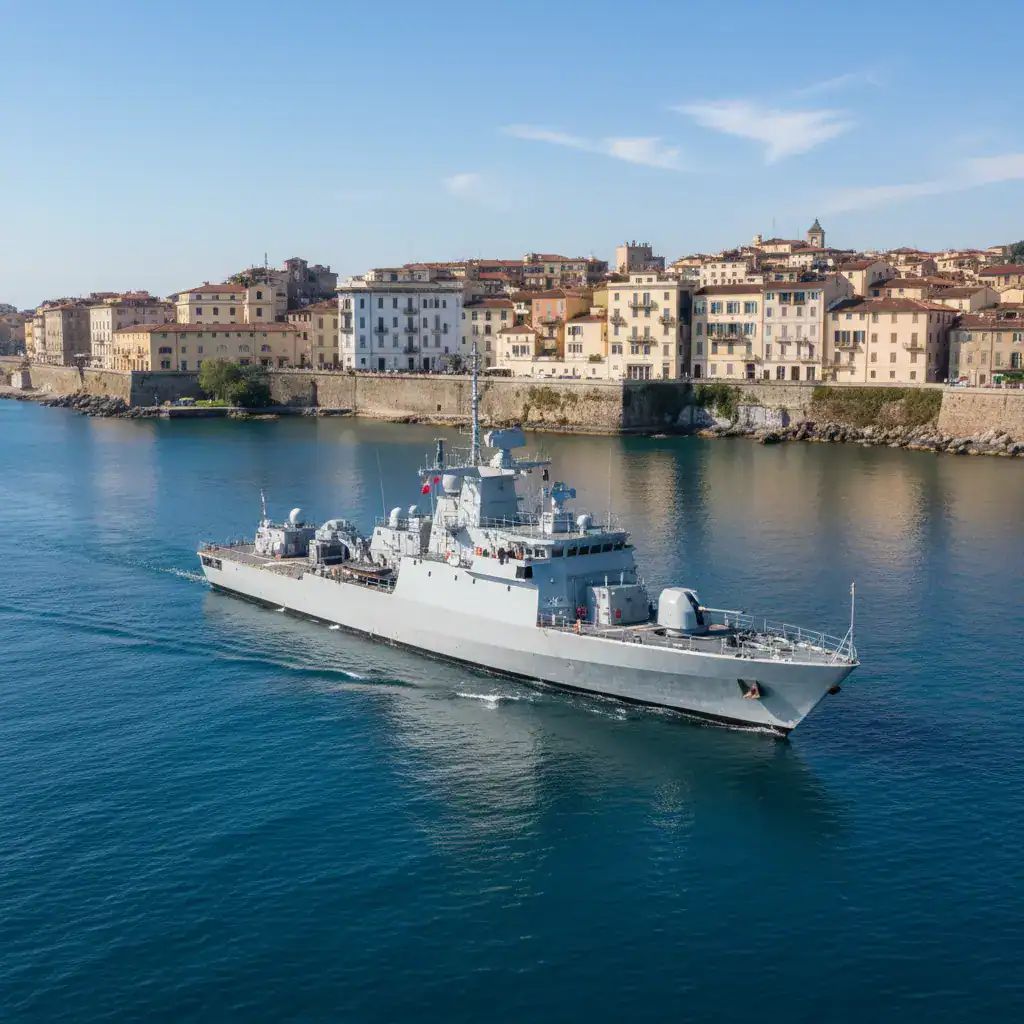
A naval unit will maintain a constant presence in the Ionian Sea, primarily tasked with monitoring maritime zones. This effort will be coordinated with Italian authorities at a central level. The missile boat “Daniolos” is currently patrolling the area, having been deployed to the Ionian Sea shortly after the marine drone was spotted. Fast patrol boats (TPK) and minehunters of the Hellenic Fleet, as well as Coast Guard vessels already present in the area, will alternately undertake surveillance missions.
Furthermore, the presence of the Armed Forces will be strengthened at island outposts, such as the naval outpost in Corfu, which falls under the Ionian Naval Command. The maritime zones of Western Greece, known for significant tourism and commercial activity, as well as major investments from energy giants like ExonMobil, Chevron, Energean, and HELLENiQ ENERGY, will be monitored around the clock from both sea and land. The involvement of unmanned surveillance aircraft for aerial monitoring is also being considered.
“Blind Spot” in Surveillance Networks
Competent sources informed ‘K’ that surveillance networks in the Ionian Sea are considerably smaller in scale compared to the Aegean Sea. The Aegean, due to the persistent Turkish threat, is one of the most closely monitored seas in the world. For decades, the focus of the Armed Forces and intelligence services has been directed eastward.
“In the Aegean, there are radars, sensors, outposts, and a permanent military presence on land, sea, and air, making it almost impossible for any unmanned system of this size to go undetected,” a military source stated. The source further emphasized that the Aegean possesses a denser monitoring network than even the Black Sea, parts of which are active military operational zones where Ukrainian and Russian drones operate almost unnoticed.
The Ionian Sea, however, could not have the same deployment of forces, as Greece’s defense doctrine perceives the primary threat from the East. Moreover, the development of surveillance systems requires significant capital and time, which, according to the same sources, is not justified by the nature of the threat – namely, the sporadic (if proven that other USVs existed) appearance of naval drones. This is why the Hellenic National Defence General Staff requested enhanced surveillance measures and a more systematic presence of the Hellenic Navy in the area.
Traditionally, the Hellenic Navy’s operational planning included deploying a fleet unit to the Ionian Sea for a few days at regular intervals, usually every two or three months. Moving forward, the presence of fleet vessels will be more systematic to instill a greater sense of security, as competent sources highlight.
Source: kathimerini