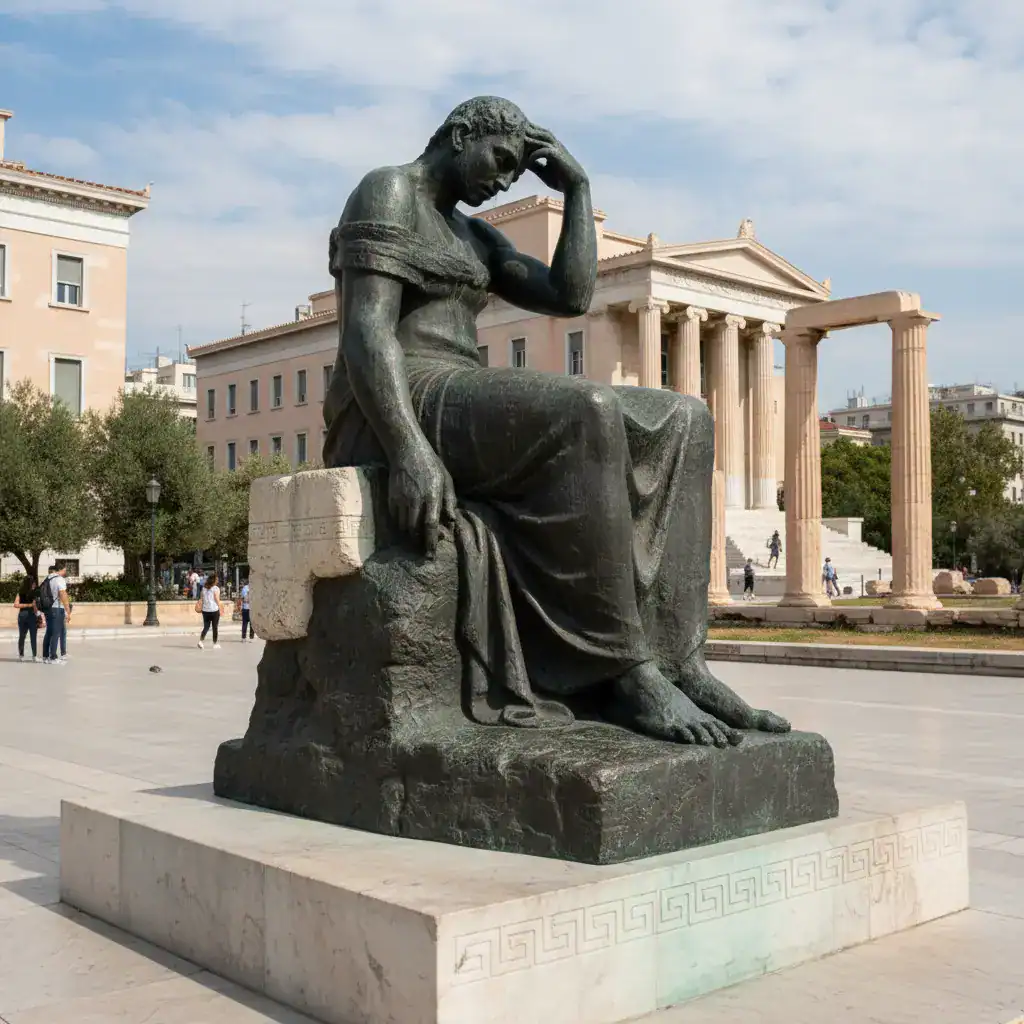
Athens, May 19 – Athens municipal authorities will erect an official monument to the victims of the genocide of Black Sea, or Pontic, Greeks by the Ottoman Empire more than a hundred years ago, the capital’s mayor said Tuesday. Haris Doukas made the announcement in a social media post but gave no information on when and where the monument might materialize.
Historical Context of the Pontic Greek Genocide
Greece has declared May 19 as a day of remembrance for the centrally organized persecution that led to an estimated 350,000 deaths of millennia-old Greek populations along modern Turkey’s Black Sea coast and its mountainous hinterland between 1914-23. The Greeks who formerly lived along Turkey’s Black Sea coast are known in Greece as the Pontic Greeks, from Pontos, the ancient word for sea that came to be used in reference to the Black Sea.
Significance of the Monument
“The Pontic Greeks, despite being persecuted and coming to Greece as refugees, preserved their history, language and traditions alive and became part of the strength and identity of modern Greece,” Doukas said. “It is our least duty to create a Genocide Memorial, so as not to allow forgetfulness to erase the historic truth.” This statement underscores the importance of historical recognition and remembrance for the Pontic Greek community and for Greece as a whole.
Previous Calls for Recognition
The proposed monument was debated at Monday’s municipal council session, highlighting the ongoing efforts to acknowledge this dark chapter of history. This announcement follows previous calls for recognition, including a Pontic Greek organization urging Israel to recognize the Pontic genocide, and Turkey’s condemnation of Greek remarks on Pontic Genocide Remembrance Day. These events demonstrate the international dimension and sensitivity surrounding the issue.
Impact on the Greek Diaspora
The Pontic Greek diaspora has actively worked to keep the memory of the genocide alive and advocate for its recognition globally. The monument in Athens will serve as a significant symbol for these communities, reinforcing their cultural heritage and historical narrative. It also provides a focal point for future commemorative events and educational initiatives.
Future of the Monument
While Mayor Doukas did not provide specific details on the timeline or location of the monument, its announcement signifies a strong commitment from the Athenian authorities to honor the victims. Further information regarding the monument’s design, funding, and exact placement is expected to be released in due course. The initiative is likely to be met with widespread support from the Pontic Greek community and human rights organizations.
This move by the Athens municipality aligns with broader international efforts to recognize and remember genocides, ensuring that historical atrocities are not forgotten and that their lessons are carried forward for future generations. The monument will stand as a permanent reminder of the resilience of the Pontic Greek people and the importance of preserving historical truth.