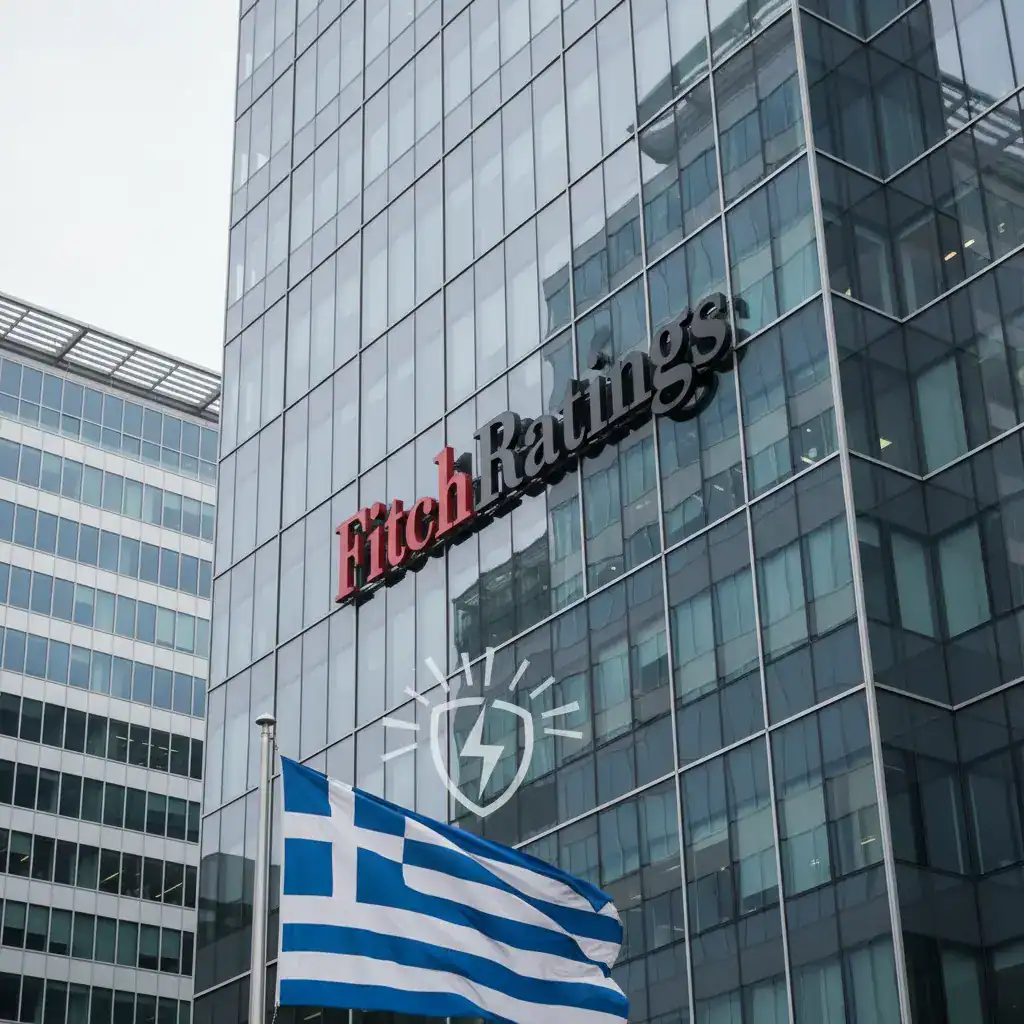
Athens, May 8 – In an analysis of European governments’ responses to surging energy prices, a top analyst from Fitch Ratings commended Greece, stating that “the only country that has truly implemented targeted measures is Greece.” This statement was made on Thursday (May 7, 2026) during a discussion on how European nations are protecting households and businesses from escalating energy costs.
Greece’s Approach Contrasts with Broader European Strategies
The same Fitch analyst highlighted that since the onset of the conflict in Iran, European governments have allocated significantly less funding to support measures compared to 2022, when the Russian invasion of Ukraine began. Despite this, many have focused on horizontal measures, such as fuel tax reductions, even as economists advise prioritizing targeted support for vulnerable households, especially given tight fiscal margins.
Federico Barriga-Salazar, Fitch’s head of Western European ratings, noted in a webinar that current support measures are “very small,” ranging from 0.3% of GDP in Spain to less than 0.01% of GDP in France and the UK.
Potential Fiscal Impacts of Future Energy Concerns
Barriga-Salazar explained that if concerns about the energy market outlook materialize, some countries might be compelled to introduce further support measures. This, he warned, “could have significant medium-term implications for public finances.” This underscores the importance of Greece’s proactive and targeted strategy in managing the economic fallout from energy price volatility.
Context of Global Energy Market Volatility
The ongoing situation in the energy market, exacerbated by geopolitical events such as the conflict in Iran, continues to pose significant challenges for economies worldwide. Governments are grappling with the delicate balance of providing relief to their citizens without unduly straining national budgets. Greece’s model, as identified by Fitch, offers a potential blueprint for other nations seeking more effective and fiscally responsible approaches to energy crisis management.
The emphasis on targeted measures means that aid is directed specifically to those who need it most, such as low-income households and small businesses, rather than broad subsidies that can be costly and less efficient. This strategic allocation of resources is crucial in an environment where fiscal flexibility is limited and long-term economic stability is paramount.
Expert Insights on Fiscal Responsibility
Economists have consistently advocated for targeted interventions during periods of economic strain, arguing that they not only provide more effective relief but also minimize the risk of inflationary pressures and unsustainable public debt. Fitch’s recognition of Greece’s approach validates these economic principles, suggesting that the country is navigating the complex landscape of energy policy with a degree of foresight and precision that sets it apart from its European counterparts.
The discussion also implicitly raises questions about the broader European strategy. While horizontal measures may offer immediate, visible relief, their long-term efficacy and fiscal implications are often debated. Greece’s example suggests that a more granular, needs-based approach might be more sustainable and impactful in the face of prolonged energy market instability.
As European governments continue to monitor the energy situation and its economic repercussions, the insights from Fitch Ratings and the case of Greece provide valuable lessons for future policy-making. The ability to adapt and implement precise, effective measures will be key to mitigating the economic challenges posed by global energy dynamics.
Source: tornosnews.gr