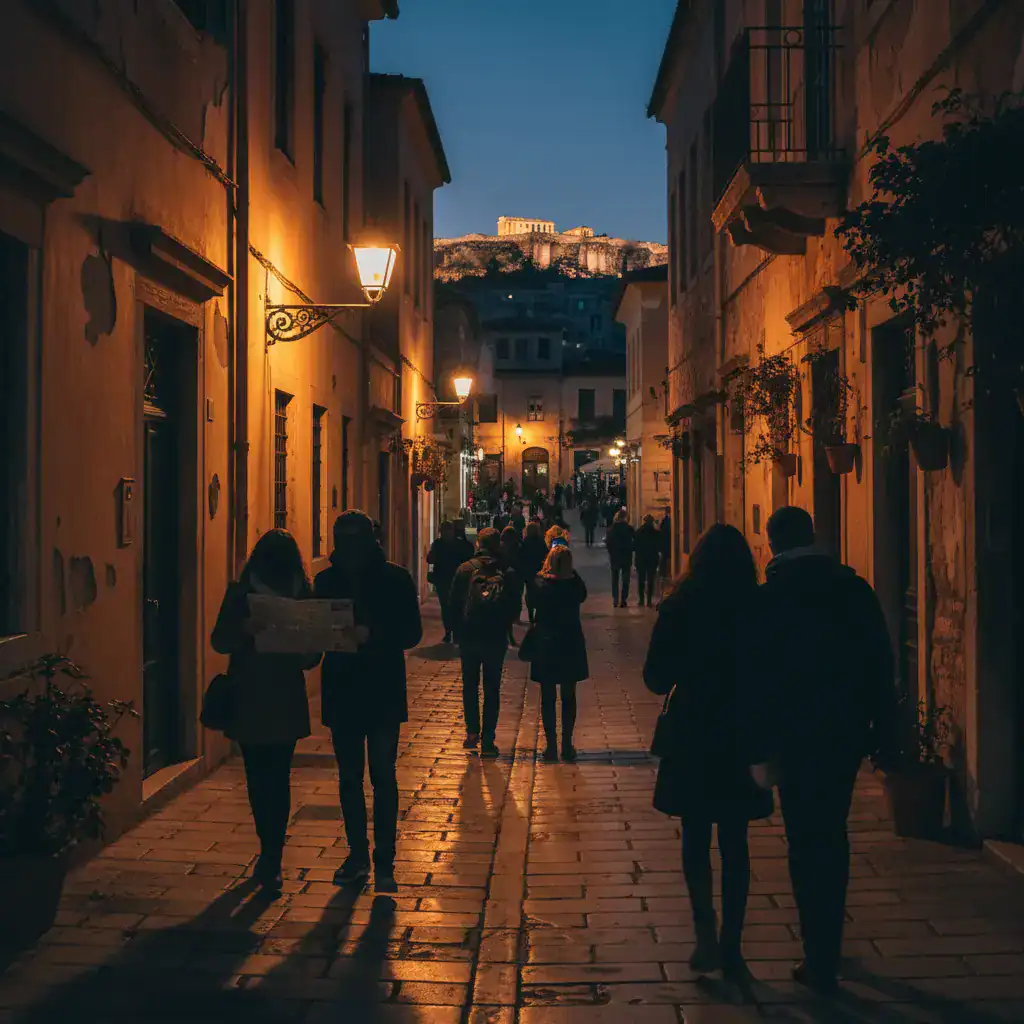
Athens, April 23, 2026 – Athens, a prominent European tourist destination, is contemplating significant measures to tackle its escalating overtourism problem. In a proactive move to prevent the city from being overwhelmed by a surge of visitors, local authorities, under the leadership of Mayor Haris Doukas, are exploring the implementation of a freeze on new hotel licenses. This initiative seeks to curb the rapid increase in tourist numbers, which has placed considerable strain on the city’s infrastructure, leading to overcrowded areas and a decline in the quality of life for its residents.
Athens Learns from Barcelona’s Overtourism Challenges
Athens is closely examining the experiences of other major European cities, particularly Barcelona, which has long grappled with the adverse effects of overtourism. The proposed hotel freeze in Athens is a forward-thinking strategy designed to ensure the city avoids the same fate as Barcelona, where tourist saturation has significantly diminished the resident experience and fueled widespread discontent. Mayor Doukas has underscored the critical importance of managing growth and preventing a “Barcelona scenario,” where the city becomes excessively crowded.
While Barcelona has already imposed stringent restrictions on hotel development, including a halt on new hotel permits since 2017, Athens has not yet reached a similar level of pressure. However, it is moving towards comparable regulatory actions to guarantee sustainable tourism in the coming years. Mayor Doukas has emphasized the necessity of meticulous planning to determine the optimal number of hotel beds required to accommodate tourists without overburdening the city’s resources.
Remarkable Growth in Athens’ Tourism Sector
Athens has experienced a remarkable surge in tourist arrivals in recent years, solidifying its position as the most-visited destination in Greece. In 2025, the city welcomed nearly 12 million international visitors, an impressive increase that has brought both positive and negative consequences. While this influx has undeniably boosted local businesses and tourism revenue, it has also created challenges in managing the city’s capacity to handle large crowds. During peak seasons, popular attractions like the Acropolis receive over 17,000 visitors daily, contributing to significant overcrowding, particularly in the historic center.
This tourism growth highlights the urgent need for more sustainable tourism strategies. Although the Greek tourism industry is one of the country’s most lucrative sectors, generating substantial revenue and employment, the current situation demands a more balanced approach to development. Consequently, Athens is considering both hotel regulations and improved management of short-term rental properties as integral parts of its strategy to ensure the city remains an appealing destination without losing its distinctive charm.
Balancing Hotel Development with Visitor Demand
The proposed freeze on new hotels is a component of a broader strategy aimed at balancing visitor demand with the imperative to preserve the local way of life. According to Evgenios Vassilikos, President of the Athens – Attica & Argosaronic Hotel Association, careful planning is essential when contemplating the expansion of hotel beds and short-term rentals. Vassilikos notes that similar practices have been successfully implemented in cities like Barcelona, where the demand for new hotel developments was meticulously controlled to prevent oversaturation.
While the freeze would primarily target the most saturated areas of Athens, Mayor Doukas has indicated that certain parts of the city could still be developed to accommodate new hotels. The crucial aspect, he insists, will be ensuring that any new construction does not exacerbate the existing problems of overcrowding. Instead, the focus will shift to more suitable areas where tourism can be managed in a manner that benefits both visitors and residents.
The Impact of Short-Term Rentals in Athens
Another significant factor contributing to Athens’ overtourism challenge is the proliferation of short-term rentals, such as those offered through platforms like Airbnb. Athens is not alone in facing this issue, as cities worldwide have had to confront the impact of vacation rentals on local housing markets and neighborhoods. In Athens, nearly half of the 68,934 rental apartments in the Attica region are concentrated in the city center, further intensifying the strain on already overburdened areas.
To address this, Athens has already implemented measures to restrict the growth of short-term rentals. In specific central neighborhoods, new permits for these types of accommodations have been prohibited, and additional regulations are under consideration to further limit their expansion. The objective is to ensure that visitors are more evenly dispersed across the city, thereby preventing the overwhelming of particular districts.
Sustainable Tourism: Athens’ Long-Term Vision
In the long term, Athens is committed to establishing a more sustainable and balanced tourism model. This involves promoting off-peak tourism, encouraging visitors to explore less frequented areas, and enhancing the visitor experience in a way that benefits the local community. The introduction of measures such as hotel freezes and short-term rental regulations is just one part of the city’s comprehensive plan to maintain its status as a world-class destination without succumbing to the negative consequences of overtourism.
The success of this strategy will depend not only on the city’s ability to manage tourist numbers but also on its efforts to improve local infrastructure, transportation, and public services. With effective planning, Athens can continue to flourish as a premier European destination while ensuring that its residents can continue to enjoy a high quality of life.