The First Resurrection, a unique and cherished element of Orthodox heritage, was celebrated with characteristic boisterousness in churches on the islands of Corfu, Zakynthos, and Chios. This tradition takes place on the morning of Holy Saturday and serves as a prelude to the great night of the Resurrection, strongly embodying the characteristics of foreshadowing, the transition from mourning to joy, and from silence to life.
The Sounds of Joy in Corfu
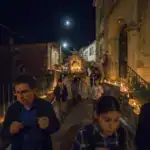
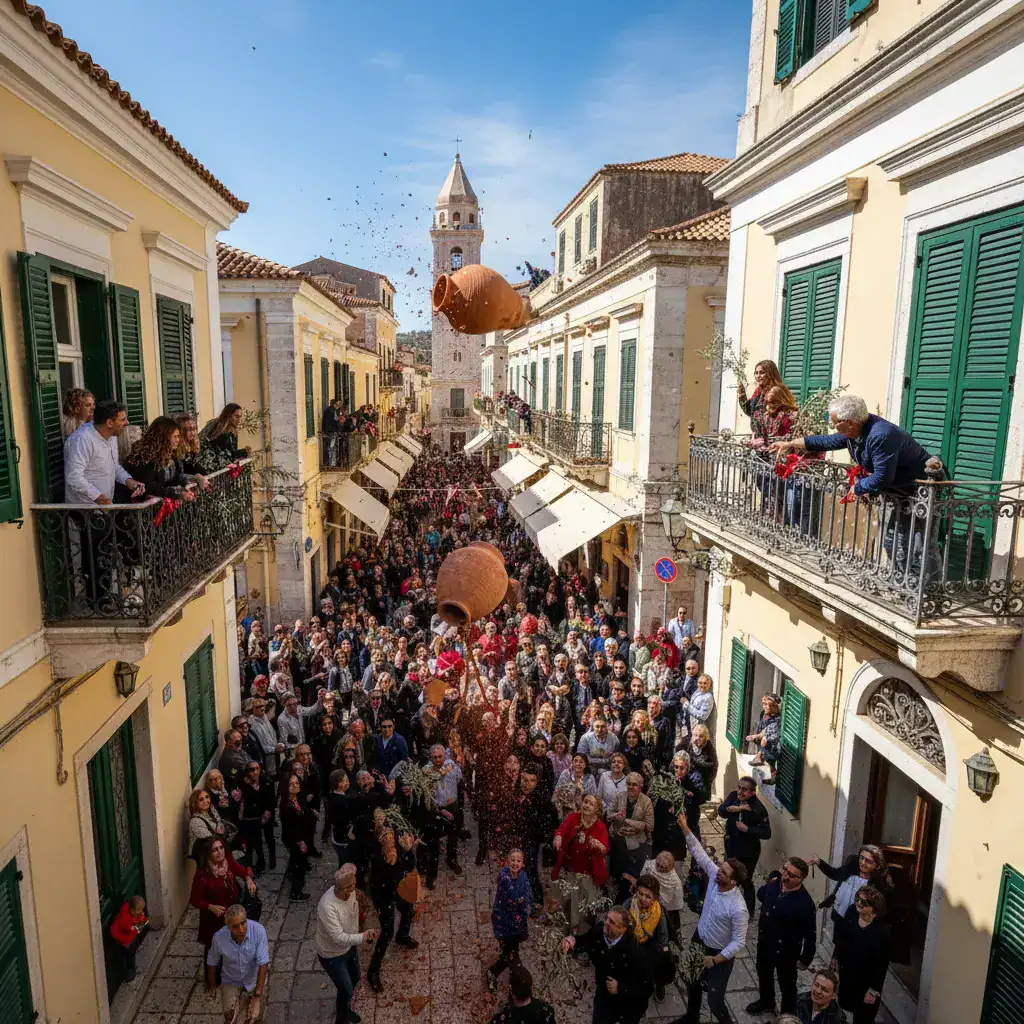
The sounds of the First Resurrection were heard early at Panagia Faneromeni, also known as the Holy Church of Strangers, located in the historic center of Corfu. The service, carrying the first joyful message, began as it does every year, shortly after 6:00 AM, with chandeliers and pews shaking vigorously. This vibrant celebration precedes the traditional “smashing of the botides” at 11:00 AM, a well-known Corfiot custom where clay pots are thrown from balconies.
A Symbolic Transition
This early morning ceremony symbolizes Christ’s descent into Hades and his triumph over death, foreshadowing the main Resurrection service later that night. The loud noises, including the shaking of church fixtures and the subsequent breaking of pots, represent the earthquake that occurred after Christ’s resurrection and the shattering of hell’s gates. It marks a powerful shift in the atmosphere from the solemnity of Holy Week to the anticipation of Christ’s victory.
Tradition Across the Ionian and Aegean
While particularly prominent in Corfu, similar customs of the First Resurrection, characterized by noise and celebration, are also observed in churches on Zakynthos and Chios. These regional variations highlight the rich tapestry of Greek Orthodox Easter traditions, each island adding its unique flavor to the sacred observances.
The celebration of the First Resurrection serves not only as a religious observance but also as a significant cultural event, drawing both locals and visitors who wish to experience the distinctive customs of Greek Easter. It underscores the deep spiritual and communal bonds that define these festive periods.
Source: hmerisiakorinthou.gr