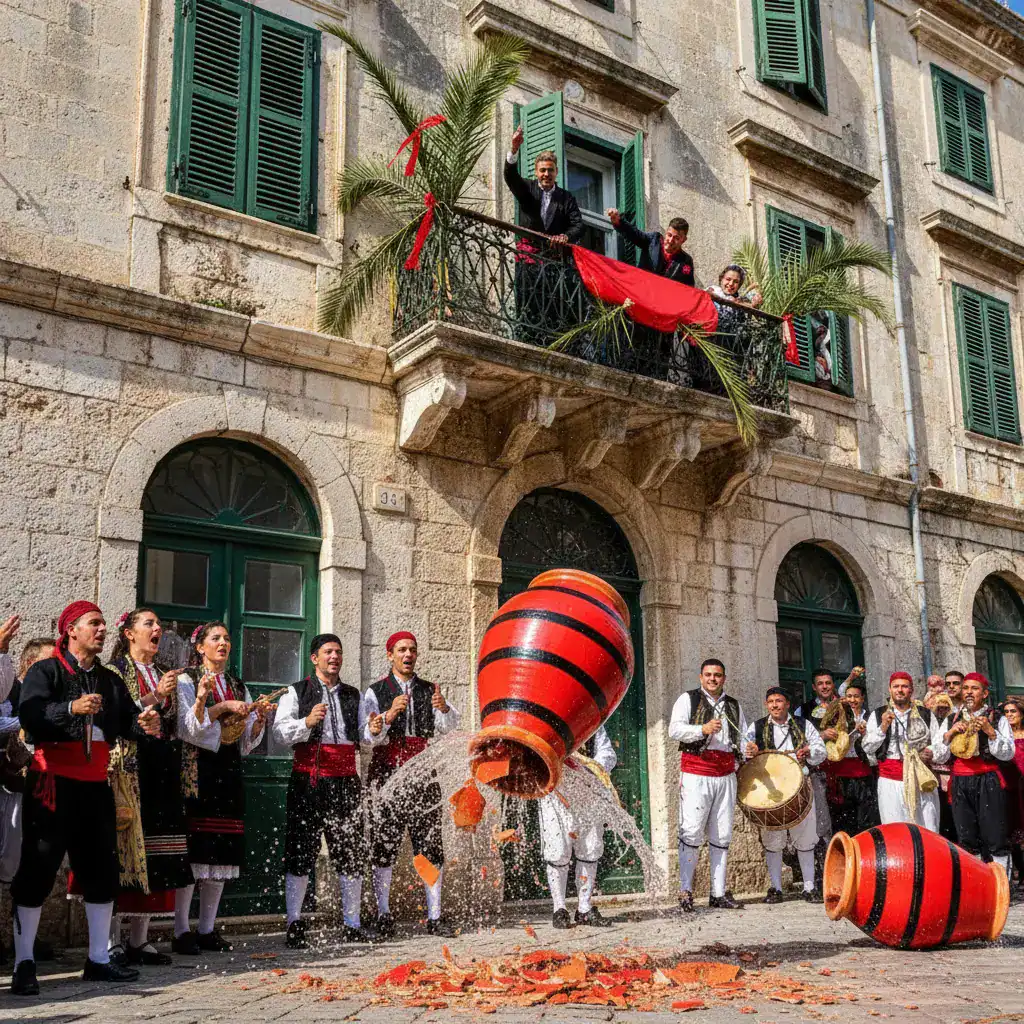
Corfu, one of Greece’s most iconic and popular Easter destinations, is once again preparing to welcome thousands of visitors who flock to the island to experience its unique Easter atmosphere, processions, philharmonic orchestras, and the globally renowned ‘botides’ custom. Initial estimates for open hotels indicate occupancy rates of 80%-85%, confirming that demand for this premier Easter destination remains strong, despite this year’s uncertainty.
Easter Resilience Amidst Global Headwinds
Konstantinos Merianos, President of the Corfu Hoteliers Association, speaking to Makedonika Nea, describes an Easter picture with high occupancy and no cancellations to date. However, he also notes a clear slowdown in booking flow for the rest of the season, attributed to the crisis in the Middle East, rising fuel costs, and pressures already being felt in airline ticket prices.
As Merianos emphasizes, Corfu is a destination that relies almost exclusively on tourism. Therefore, stability and a return to normalcy are critical prerequisites for the course of this summer. He highlights that while last year’s Easter coincided with the start of the main tourist season and numerous international flights, this year, the focus is predominantly on domestic tourism, with Greek visitors outnumbering foreign tourists for the four-day Easter period. Hotels opening for Easter are primarily located on the outskirts of the metropolitan center, with most larger establishments scheduled to open in late April or early May.
The Shadow of Geopolitical Instability and Economic Pressures
The ongoing conflict in the Middle East and its ripple effects, particularly the surge in fuel prices, are significant concerns for the summer season. Merianos explains that while ferry prices have remained stable so far, airline ticket prices have already seen increases. This directly impacts last-minute bookings, which increasingly rely on online platforms and affordable air travel. Airlines themselves have indicated that flight schedules will only intensify after Easter, a consequence of soaring operational costs.
The hotel industry is bracing for increased operating costs, which, up to a certain point, will be absorbed by businesses. However, Merianos points out that many hotels, especially in major destinations like Corfu, operate under contracts signed up to a year in advance. This contractual obligation means that hoteliers will have to bear the brunt of rising costs, making peace and stability even more crucial for their survival.
A Broader Challenge for Greek Tourism
Merianos warns that if the Middle East conflict persists, the entire Greek tourism sector will face significant challenges. He notes that without the war, booking numbers would likely have been on par with 2024 by now, with efforts to reach 2025 levels. The current situation, however, has created a