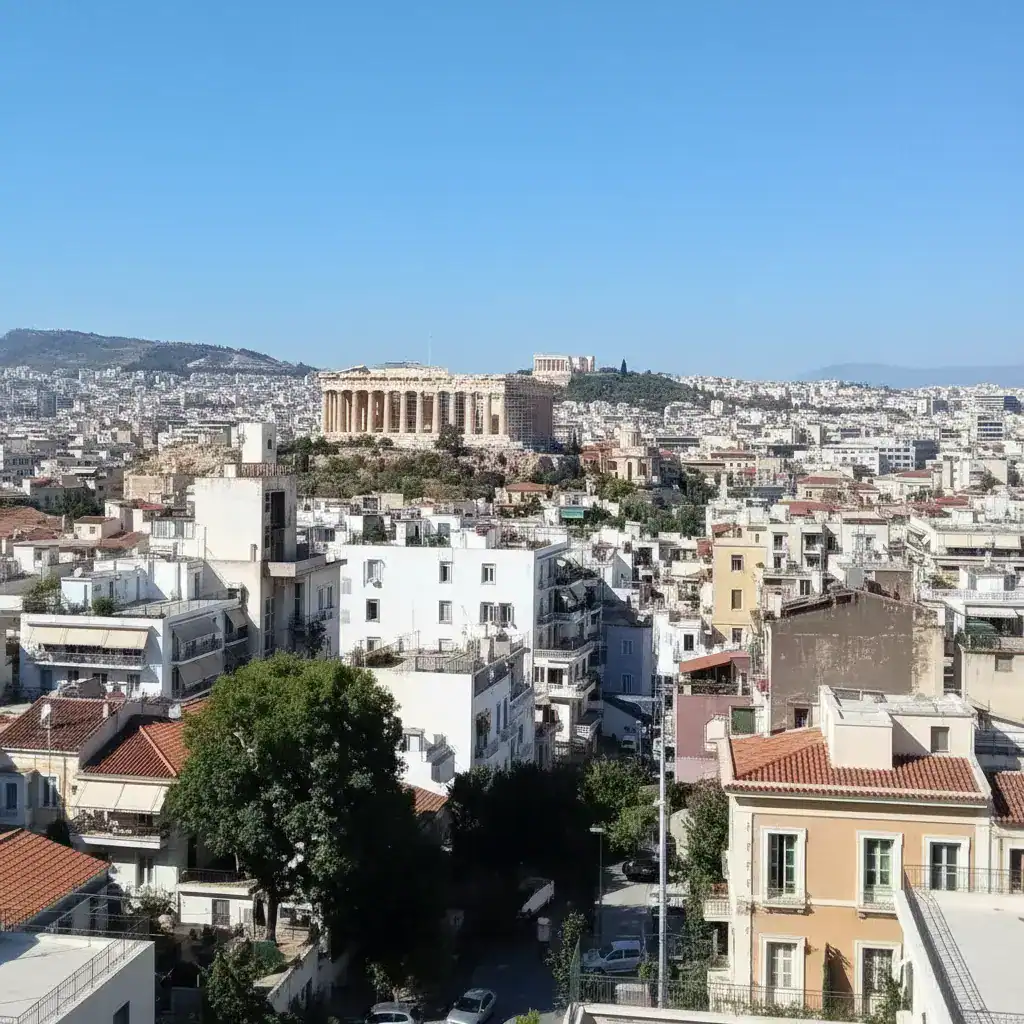
Athens, Greece – February 28, 2026 – Central Athens has experienced an 8% reduction in short-term rental properties following the implementation of a freeze on new Property Registration Numbers (AMAs) in 2025. This significant decline, revealed at the Short Stay Athens Conference 2026, highlights the ongoing efforts by Greek authorities to address housing affordability while navigating the complexities of a booming tourism sector.
AMA Freeze: A Closer Look at the Numbers
The freeze on new AMAs, which initially targeted the 1st, 2nd, and 3rd municipal districts of Athens and has since been extended to central Thessaloniki, has led to a decrease of 2,500 AMAs, from 29,500 to 27,000. This regulatory measure aimed to curb the rapid expansion of short-term rentals, which many believe contribute to rising rents and a housing crisis in the capital.
While the freeze has reduced the ability for property owners to register new short-term rental properties, it also triggered a temporary surge in registrations at the end of 2024 as owners rushed to secure permits before the new regulations took effect. Despite this initial uptick, the long-term impact has been a noticeable decline in active listings, particularly in high-demand tourist areas within central Athens.
Impact on Athens’ Short-Term Rental Market and Tourism
The 8% drop in short-term rental listings signifies a shift in the market, potentially limiting travelers’ access to alternative accommodation options in central Athens. This reduction carries significant implications for tourism revenue, as short-term rentals have become an integral part of Athens’ tourism infrastructure, especially for visitors seeking more affordable or unique lodging experiences. Travelers, particularly budget-conscious individuals, families, and small groups, may find fewer choices available, potentially driving up demand and costs for traditional hotels and short-term stays.
Despite the contraction in short-term rental availability, Greece’s overall tourism revenue continues to show resilience. In 2025, short-term rental revenues across Greece saw a substantial €110 million increase, reaching a total of €980 million, marking a 12.6% year-on-year growth. This indicates that while the supply of short-term rentals in Athens may be shrinking, the broader Greek tourism sector remains robust, consistently attracting both international and domestic visitors.
The Housing Crisis Debate: Short-Term Rentals vs. Structural Issues
A central theme at the Short Stay Athens Conference was the intense debate surrounding the role of short-term rentals in Athens’ housing crisis. Lefteris Potamianos, president of the Athens-Attica Realtors Association, contended that short-term rentals are not the primary cause of the housing affordability crisis. He argued that structural imbalances in housing supply and demand in Athens existed well before the significant expansion of the short-term rental market.
Potamianos stated, “The impact of this market is relatively small and does not reflect the scale of the housing challenges facing Athens and the country.” This perspective suggests that while short-term rentals play a role, deeper issues such as limited residential construction and urban concentration, as highlighted by Stratos Paradias, president of the Panhellenic Property Owners Federation (POMIDA), are more significant drivers of the housing crisis.
Balancing Tourism Growth and Housing Affordability
The AMA freeze is a key component of the Greek authorities’ broader strategy to rebalance the housing market in high-demand urban areas like Athens. The challenge lies in fostering continued tourism growth, which is vital to the economy, while simultaneously ensuring access to affordable housing for local residents. Authorities are actively exploring various approaches to achieve this delicate balance, aiming to prevent tourism from displacing residents or exacerbating housing costs.
The long-term impact on the tourism sector remains to be seen. While the freeze has temporarily reduced short-term rental availability, it may lead to adjustments in the market, such as an increase in hotel bookings and a greater need for diverse accommodation options in Athens. Ultimately, a balanced approach that supports both a thriving tourism industry and accessible housing for residents will be crucial for Athens to maintain its appeal as a sustainable destination for both locals and visitors.
The decrease in short-term rentals underscores the need for effective market regulation that can accommodate increasing tourist demand while also addressing the pressing need for affordable housing. The interplay between tourism growth and housing supply will continue to be a defining factor in the future of Athens’ urban and economic landscape.
Source: https://www.travelandtourworld.com/news/article/freeze-on-property-registration-numbers-in-athens-causes-eight-percent-decline-in-short-term-rentals-impacting-tourism-growth-and-housing-markets-in-greece/