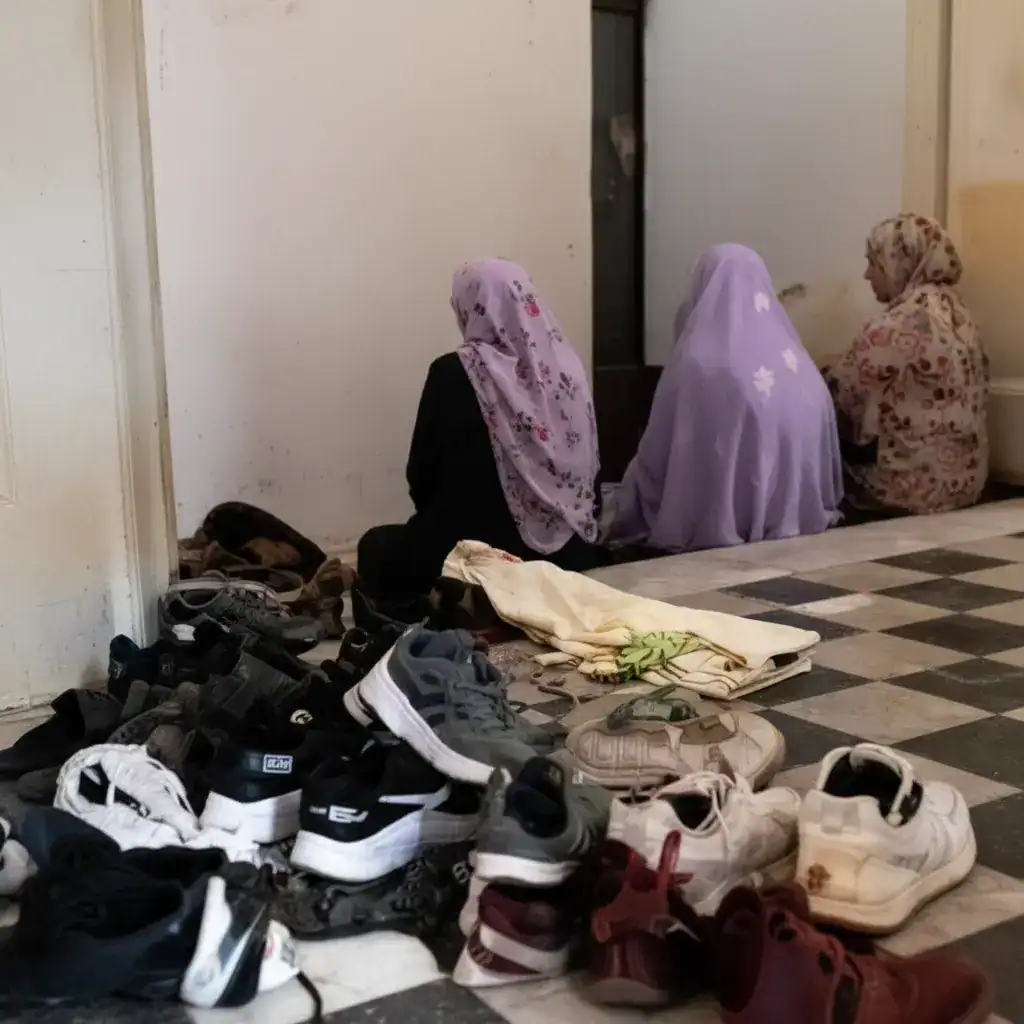
Illegal Mosque Sealed in Agios Panteleimonas, Athens – Operators Face Deportation
Athens, February 25 – Greek authorities have sealed another illegal mosque in the Agios Panteleimonas district of Athens, specifically at the location on Fylis and Folegandrou streets. This operation, which took place yesterday, resulted in the arrest of four individuals responsible for operating the unauthorized place of worship, and deportation proceedings have been initiated against them.
The closure follows an order from Minister of Migration and Asylum Thanos Plevris, aligning with his stated policy of zero tolerance for illegal places of worship. As Minister Plevris has consistently emphasized, “Those who do not comply with Greek legislation will automatically be deported, in cooperation with the competent ministries.”
Broader Crackdown on Unlicensed Religious Sites
This action is part of a broader crackdown announced earlier in February 2026, targeting unlicensed religious sites-particularly mosques-within the Municipality of Athens. The policy includes the revocation of residency permits and deportation for foreign nationals found to be involved in running such unauthorized establishments.
According to reports from SKAI and other sources, police sealed the premises, arrested the four individuals, and immediately began the process for their deportation. The individuals arrested are reported to be Bangladeshi nationals.
Government’s Stance on Illegal Worship
The Greek government, through the Ministry of Migration and Asylum, has been firm in its resolve to enforce existing legislation regarding religious institutions. This particular incident highlights the ongoing efforts to regulate places of worship and ensure they operate within the legal framework established by Greek law.
The sealing of this mosque in Agios Panteleimonas underscores the government’s commitment to its policy, aiming to maintain order and adherence to national regulations across all sectors, including religious practices. The authorities continue to monitor and act upon information regarding other potentially unlicensed religious sites in the region.
The operation also serves as a clear message to individuals and groups that intend to operate outside of the legal boundaries set for religious institutions in Greece. The collaboration between various competent ministries ensures a comprehensive approach to addressing such issues, with significant consequences for those who violate the law.
This event adds to the recent news regarding Greece’s adoption of a new migration law in February 2026, which introduces stricter penalties for facilitating irregular entry, further indicating a tightening of regulations across various aspects of migration and residency in the country.