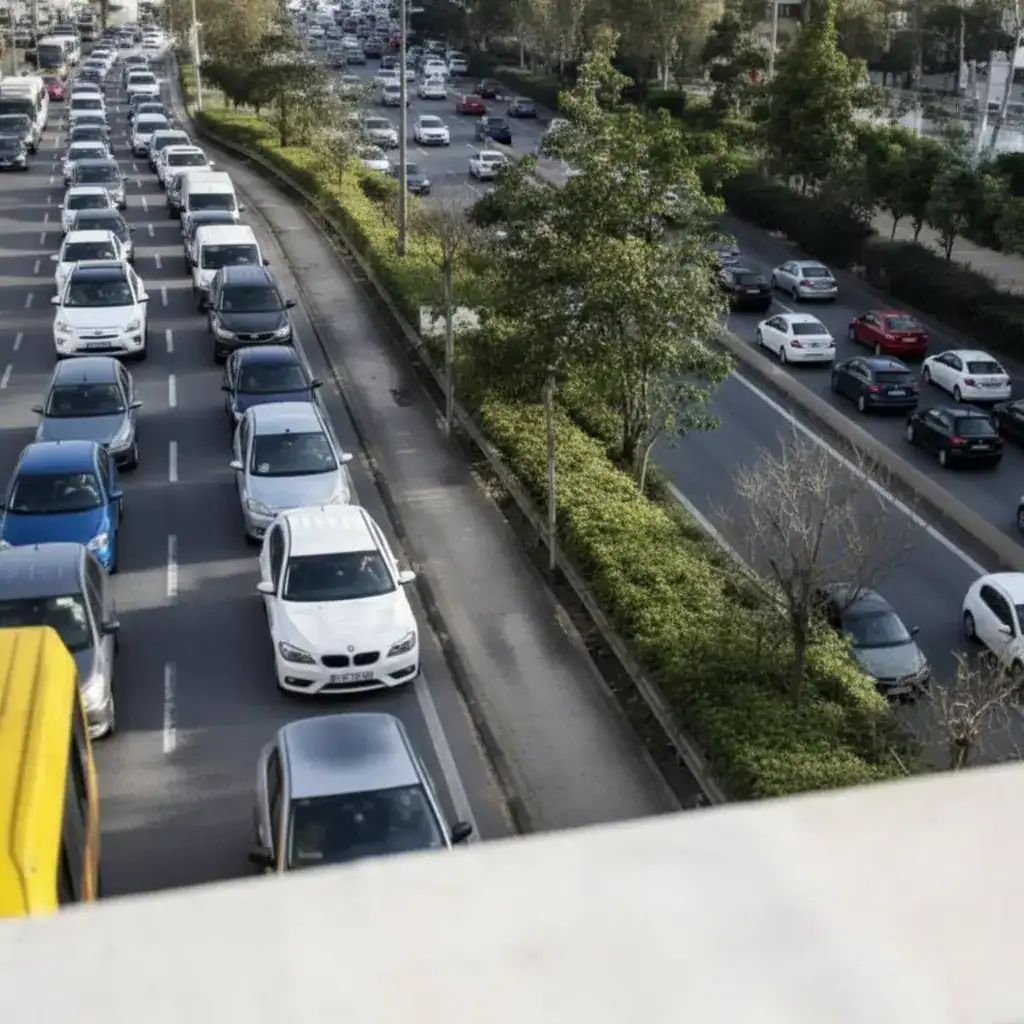
Greece is embarking on a new era of road safety with the strategic deployment of digital cameras at eight high-risk points across Athens and the broader Attica region. This pilot project marks a significant step in a national endeavor to modernize traffic monitoring and enforcement.
Pilot Project Targets Key Athenian Thoroughfares
The initiative, spearheaded by the Ministry of Digital Governance, focuses on critical roads known for high accident rates. These include prominent locations such as Panepistimiou Street and Vasilissis Sofias Avenue in central Athens. Additionally, cameras will be installed in major arteries within Agia Paraskevi, Rafina, Kallithea, Alimos, Vari-Voula-Vouliagmeni, Elliniko-Argyroupoli, and Filothei-Psychiko. This targeted approach aims to address the most pressing safety concerns in these specific areas.
Advanced Monitoring of Serious Traffic Violations
The newly installed cameras are designed to monitor a range of serious traffic violations. These include, but are not limited to, speeding, running red lights, failure to wear seat belts, illegal use of mobile phones while driving, and unauthorized driving in emergency lanes. The system is an integral part of the new Unified Electronic Violation Management System (E.H.S.), which will seamlessly integrate data from both fixed cameras and portable enforcement devices. This comprehensive system is expected to offer automated violation recording, real-time updates for drivers, simplified online objection processes for alleged violations, and convenient digital payment options for fines.
Human-Centered Approach to Road Safety
Minister of Digital Governance, Dimitris Papastergiou, underscored the profound human-centered objective of this initiative. “This reform isn’t just about procedures; it’s about saving lives. Every accident reminds us that inaction is not an option,” stated Papastergiou. The project is designed with the dual purpose of fostering a stronger road safety culture among drivers and significantly reducing the incidence of accidents through a combination of prevention and education.
Future Expansion and Technological Integration
The current pilot program represents merely the initial phase of a much larger vision. Eventually, the network of road safety cameras is slated to expand significantly, reaching a total of 2,500 units. This future expansion will include 2,000 cameras strategically placed at fixed high-risk locations and an additional 500 cameras integrated into public buses to monitor dedicated bus lanes. The system will leverage advanced Artificial Intelligence (AI)-powered license plate recognition technology. This sophisticated AI will categorize violations with high precision and significantly expedite enforcement processes. A notable benefit of this enhanced system is the anticipated improvement in the collection of fines, a critical area where current recovery rates are reported to be less than 10% within the first year.
Transparency, Education, and Citizen Participation
A cornerstone of this initiative is its commitment to transparency and public engagement. The program includes provisions for open access to anonymized data, which will be made available to local authorities, researchers, and policymakers. This data is expected to be invaluable in informing and refining future road safety strategies. Concurrently, comprehensive educational campaigns will be launched to actively foster more responsible driving habits among the populace. Officials involved in the project emphasize that the ultimate success of this ambitious program hinges on active citizen participation. The goal is to promote greater accountability, enhance transparency in public authorities’ actions, and build trust, all while working towards the overarching objective of creating demonstrably safer roads across the entire Attica region.
Source: https://www.tovima.com/society/athens-to-pilot-road-safety-cameras-in-8-key-locations/