Over six hundred tons of hazardous waste from the Gongakis facility in Corfu have been illegally transported to a burning facility in the Kalogiros Bridge area in Epirus, according to an official report released on October 30, 2025.
Environmental inspectors discover massive illegal dumping operation
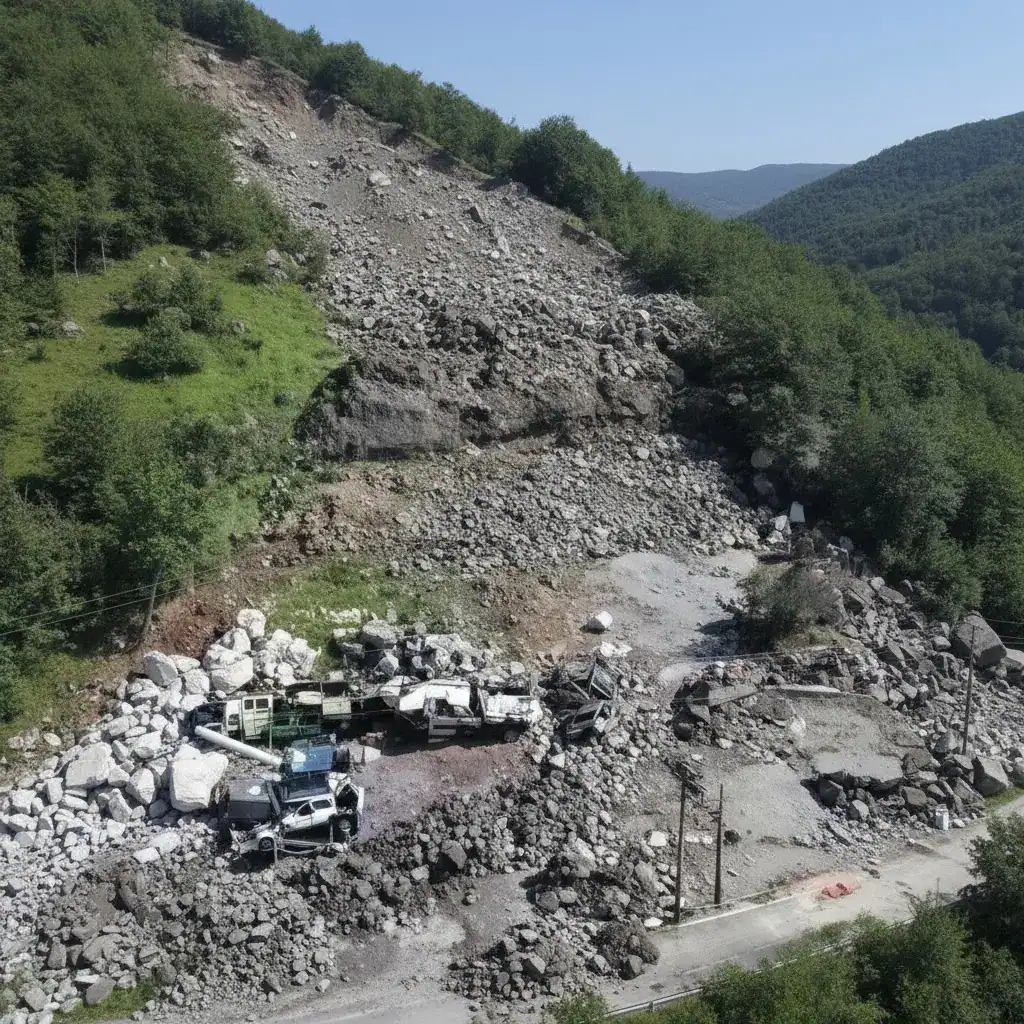
According to official data contained in the report by Environmental Inspectors who conducted the on-site inspection, 620 tons of waste were found in the outdoor area of the installation, of which 420 tons had already been buried in the ground.
Based on the documentation found at the site, the waste originated from Corfu and consists of decomposing processed animal food products mixed with excavation waste, plastics, metal objects, and food packaging materials.
The 420 tons, as determined during the two-day inspection by the Environmental Inspectors, were buried underground, while the remaining waste was piled in heaps exposed to weather conditions, with some of the waste lying directly on the ground.
Immediate threat to environment and public health
The Decentralized Administration, based on the inspectors’ report, emphasizes that the waste is classified as hazardous, with at least the HP9 contamination property (“infectious property”), and that its presence constitutes an immediate threat of causing environmental damage.
Due to the geological composition of the area and the high water table, the burial of waste can lead to contamination of the underground aquifer and surface waters, which are connected to the Louros river system and flow into the Ambracian Gulf, an area included in the Natura 2000 network.
Contamination risk to protected ecosystem
The location of the illegal dump poses particular concern due to its proximity to the Ambracian Gulf, one of Greece’s most important wetland ecosystems and a protected Natura 2000 site. Environmental experts warn that leachate from the decomposing organic waste could permanently damage the delicate ecological balance of the region.
24-hour ultimatum and immediate preventive measures
Based on the situation that has developed, the Decentralized Administration decided to take specific immediate measures, which are as follows:
- Transfer of waste that is exposed on the ground to a cement-paved or covered area that exists in the facility.
- Surface coverage of waste with lime.
- Coverage of waste with plastic membrane.
- Placement of bags with absorbent material around the point where the waste is located, to prevent leakage of contaminated liquids.
- Immediate excavation of buried waste and temporary separate management, so that there is no further pollution of soil, groundwater, and the area in general.
Long-term monitoring and restoration required
After completion of immediate measures, authorities have mandated additional requirements:
- Specialized laboratory testing must be conducted, with chemical analyses, to determine whether pollution remains in the soil or waters of the area.
- A restoration study must be prepared, which will include a monitoring program for at least one year, to assess the impacts on the environment and aquatic organisms.
Company held responsible for cleanup
The company “LIFE ECO SOLUTIONS IKE” is responsible for implementing all of the above measures, because the incident is connected to its activity and there is a risk of further environmental damage.
Furthermore, it was found that the company had not taken the necessary preventive measures in a timely manner, as provided for in Article 8 of Presidential Decree 148/2009.
Violations of environmental regulations
According to the inspection report, the company operated the waste disposal site without proper environmental permits and failed to implement basic safety protocols required for handling hazardous materials. The facility lacked adequate containment systems, monitoring equipment, and emergency response procedures.
Connection to Corfu waste management crisis
The waste originated from the Gongakis facility in Corfu, which has been at the center of ongoing waste management controversies on the island. The illegal transportation of hundreds of tons of hazardous waste to Epirus highlights the broader challenges facing waste disposal in the Ionian Islands region.
Local authorities in Corfu have faced mounting pressure to address waste management issues, with residents complaining about inadequate facilities and environmental hazards. The discovery of this illegal dumping operation raises questions about oversight and enforcement of waste transportation regulations.
Previous warnings ignored
According to subsequent reporting, an urgent letter from the Ministry was ignored, and waste transfers to Epirus continued despite official warnings. The exact timeline of these communications and why they were not heeded remains under investigation.
Regulatory failures under scrutiny
Environmental organizations have called for a comprehensive review of the permitting and monitoring systems that allowed such a large-scale illegal operation to proceed. Critics point to inadequate staffing of inspection agencies and insufficient penalties for environmental violations as systemic problems.
Public health concerns for local communities
Residents living near the Kalogiros Bridge site have expressed alarm about potential health risks from the contaminated waste. The decomposing animal products mixed with other hazardous materials can produce toxic gases and attract disease-carrying pests.
Local medical authorities have been placed on alert to monitor for any unusual health symptoms in the surrounding population, particularly respiratory problems and waterborne illnesses that could result from groundwater contamination.
Political and legal implications
The incident has sparked political controversy, with opposition parties demanding accountability and calling for criminal investigations into those responsible for authorizing or facilitating the illegal waste transfers.
Legal experts indicate that both the waste-generating facility in Corfu and the receiving site in Epirus, as well as the transportation companies involved, could face significant fines and criminal charges under Greek environmental law.
The case also raises questions about inter-regional waste management coordination and whether proper protocols exist to prevent one region from becoming a dumping ground for another’s environmental problems.
Immediate enforcement actions underway
Environmental authorities have mobilized inspection teams to verify compliance with the 24-hour ultimatum and ensure that immediate containment measures are properly implemented. Failure to comply could result in forced closure of the facility and criminal referrals to prosecutors.
The Decentralized Administration has also initiated a broader review of all waste transportation permits issued for shipments from Corfu to mainland Greece to identify any other potential violations or unauthorized dumping sites.
As of October 31, 2025, the cleanup operation was expected to begin, with environmental monitors on-site to document the process and ensure proper handling of the hazardous materials.
Source: https://www.epiruspost.gr